What remains after a journey ends? A photo, a story, or a cherished memory may be part of it. But what if a journey could also leave something good behind? A tree planted. A place cared for. Local communities benefiting. A child coming home with a new perspective on nature.
This question lies at the heart of regenerative tourism. At Insan Wisata Kids, travel is more than taking children and families to see new places. It is an opportunity for children to explore, learn, and give back to nature and local communities through meaningful educational travel experiences.
This approach is rooted in regenerative tourism, where travelers are not simply visitors enjoying a destination, but active participants in the ecosystems they visit and contribute to their long-term well-being.
From Enjoying Nature to Caring for It
One thing that sets regenerative tourism apart from simply traveling responsibly is the question we ask after a journey: not only how can we avoid causing harm, but also what can we give back?
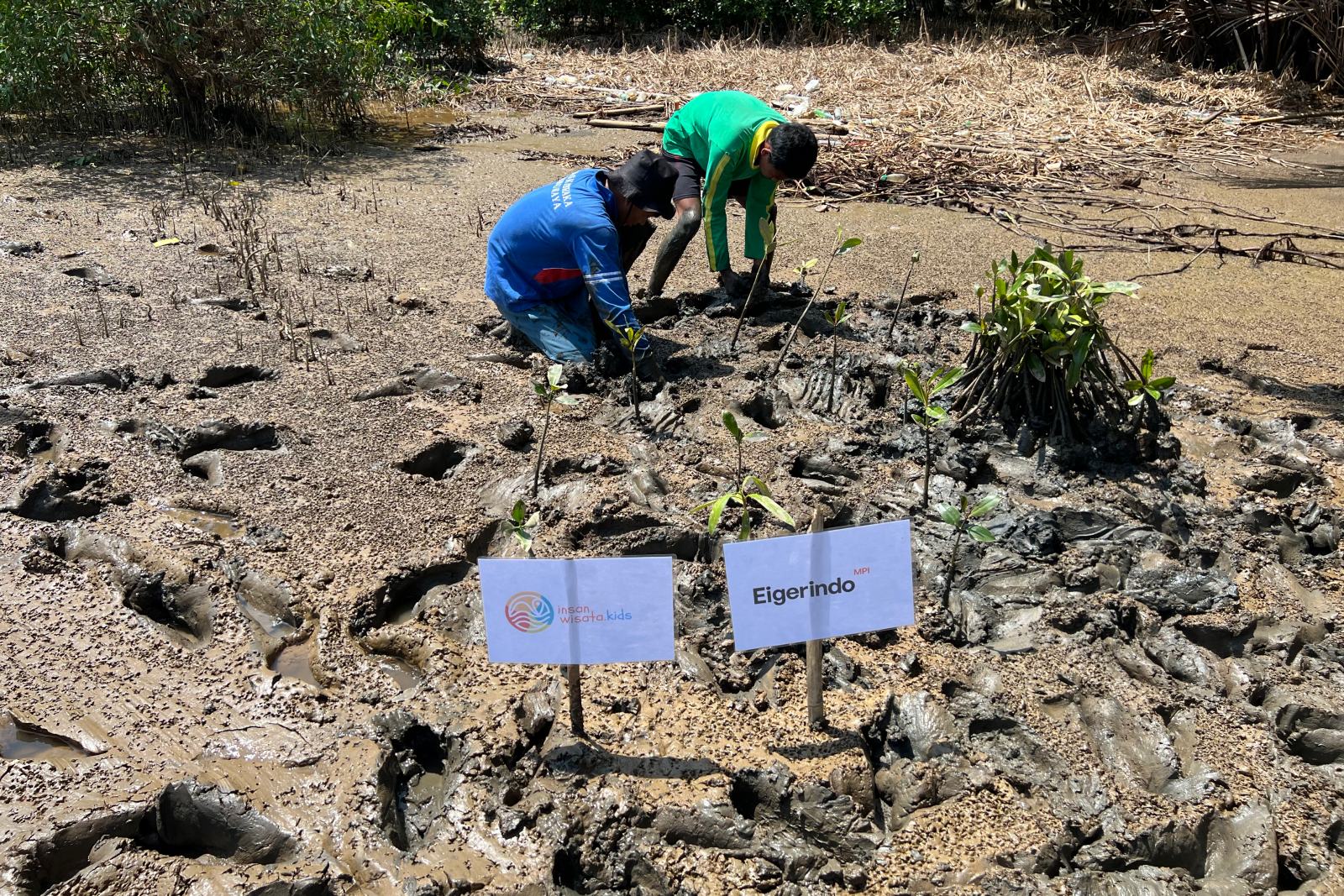
At Insan Wisata Kids, we put this idea of regenerative tourism into practice through various environmental initiatives. These include reducing single-use plastics, choosing more environmentally friendly products, supporting conservation and wildlife protection, and the 1 Traveler 1 Mangrove initiative.
Through this initiative, every child and family joining an Insan Wisata Kids program automatically contributes to mangrove planting in partner destinations. A portion of the proceeds from each program is also allocated to support the initiative.
This means that a travel experience does not end with what travelers receive. This is where regenerative tourism begins to take shape—not simply reducing negative impacts, but helping create positive change in the places we visit.
When Tourism Revenue Becomes Part of Conservation
Regeneration needs a mechanism that allows positive actions to continue. Insan Wisata Kids integrates a Sustainability Action Fund into its impact approach, directing part of the value generated through tourism activities toward environmental initiatives such as 1 Traveler 1 Mangrove.
What makes this approach meaningful is that sustainability is not treated as an additional activity outside the travel experience. Instead, it becomes part of how regenerative tourism is designed and how tourism creates impact.
Travelers gain meaningful experiences. Destinations receive greater care and attention. And part of the economic value generated through travel is returned to support environmental action.
Regeneration Goes Beyond Nature
A destination is more than its landscape. It is also home to communities, knowledge, culture, and everyday life.
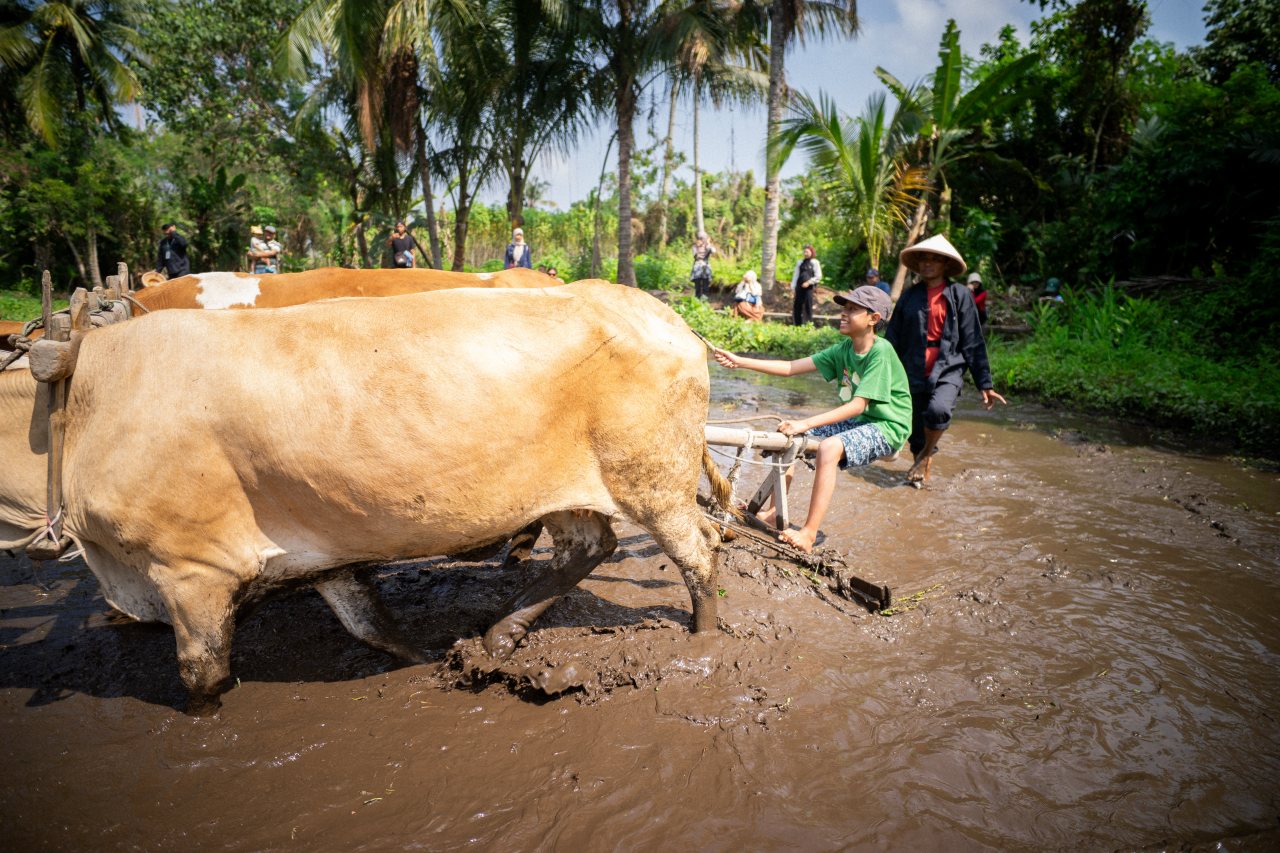
That is why Insan Wisata Kids places local communities at the heart of its educational travel experiences. Local people take part as facilitators, cultural educators, activity guides, and service providers. Local products and food also become part of the travel experience.
For children, these encounters create opportunities to learn directly from the people who live and work in the places they visit. For local communities, tourism creates opportunities to share their knowledge while gaining economic benefits.
This relationship is strengthened through ongoing mentoring and capacity building for partner communities. The goal is not simply to create short-term tourism activities, but to help local potential and good practices continue to grow long after the journey is over.
In this way, regenerative tourism is not only about protecting nature. It is also about empowering communities to better care for and develop the potential of their own places.
Children as Part of Regeneration
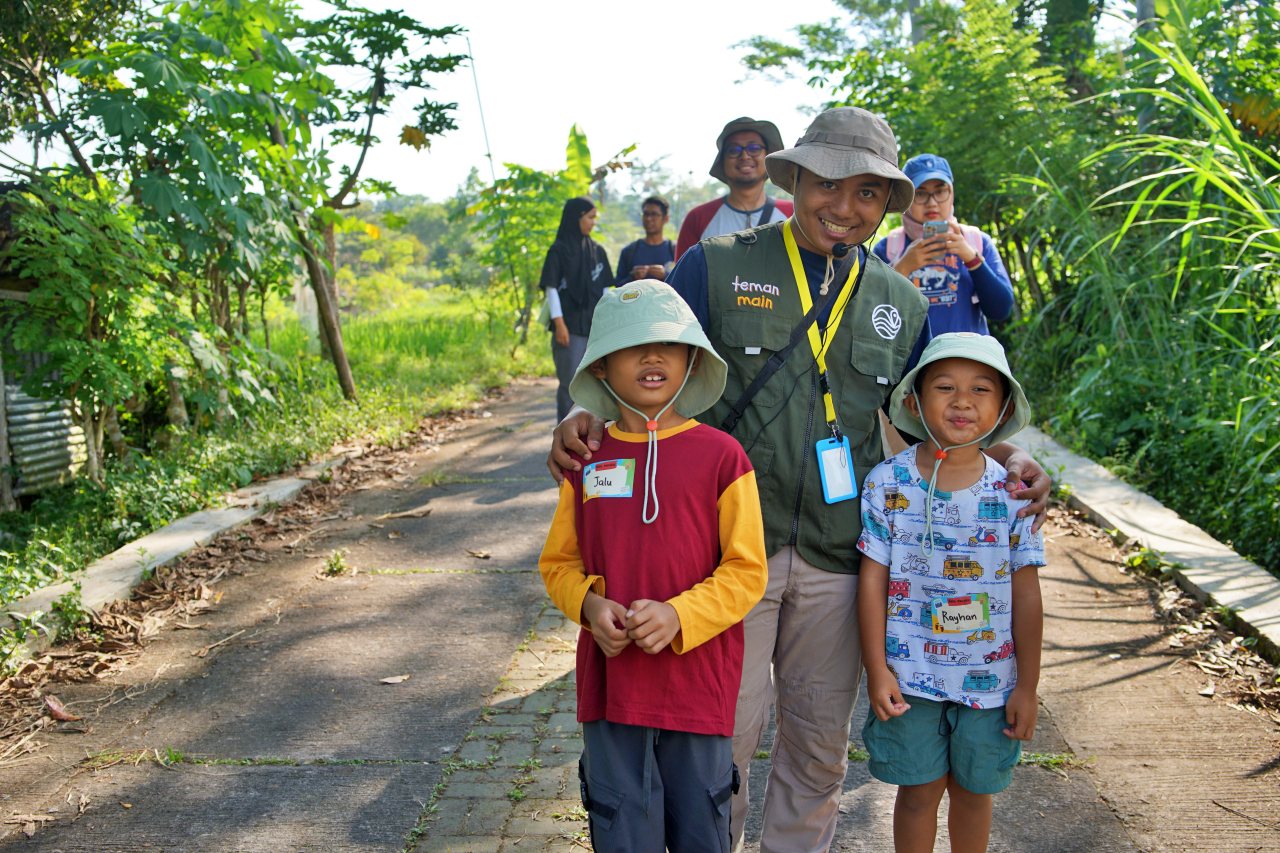
There is one element that makes the Insan Wisata Kids approach distinctive: children are placed at the heart of the regeneration process. Teman Kecil are not simply invited to see nature. They experience their relationship with nature, culture, and local communities firsthand. Exploration becomes education, and destinations become living classrooms.
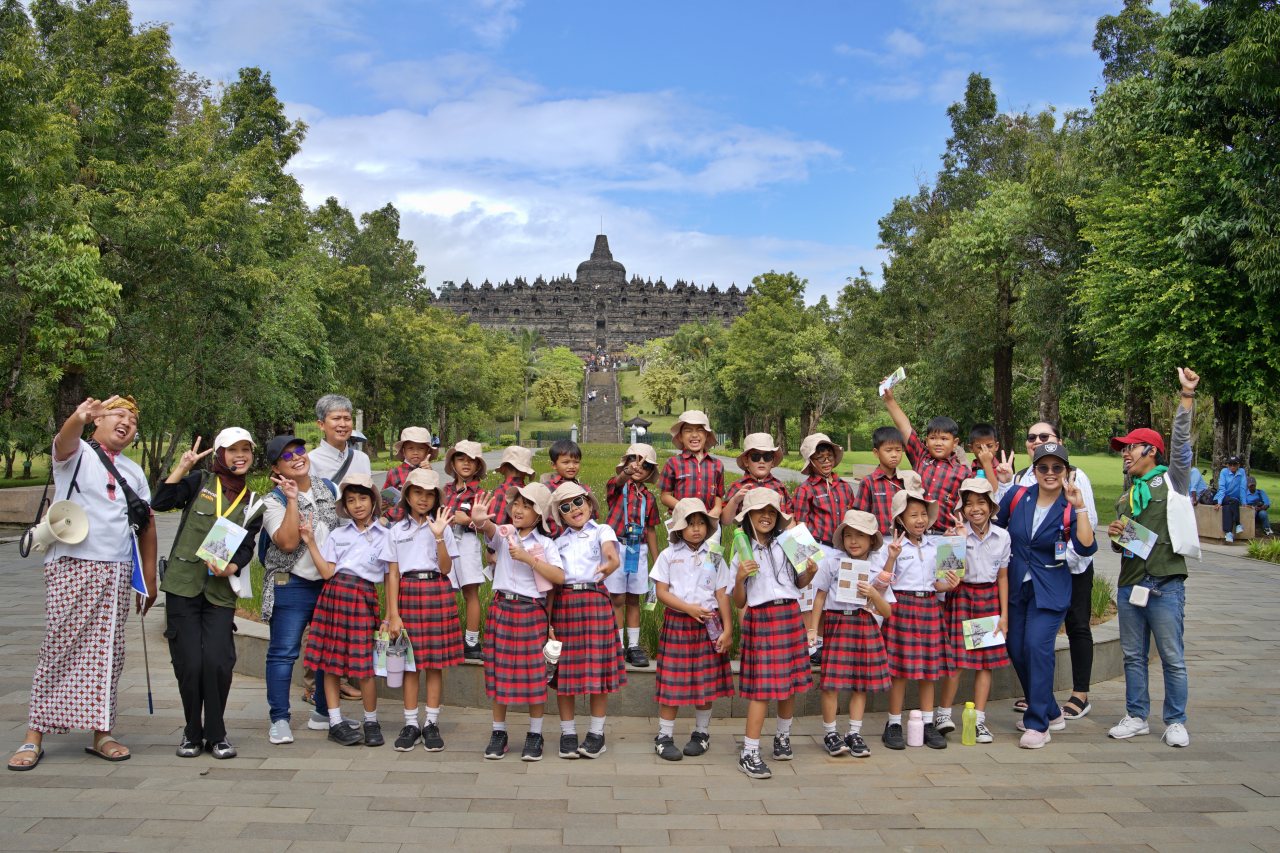
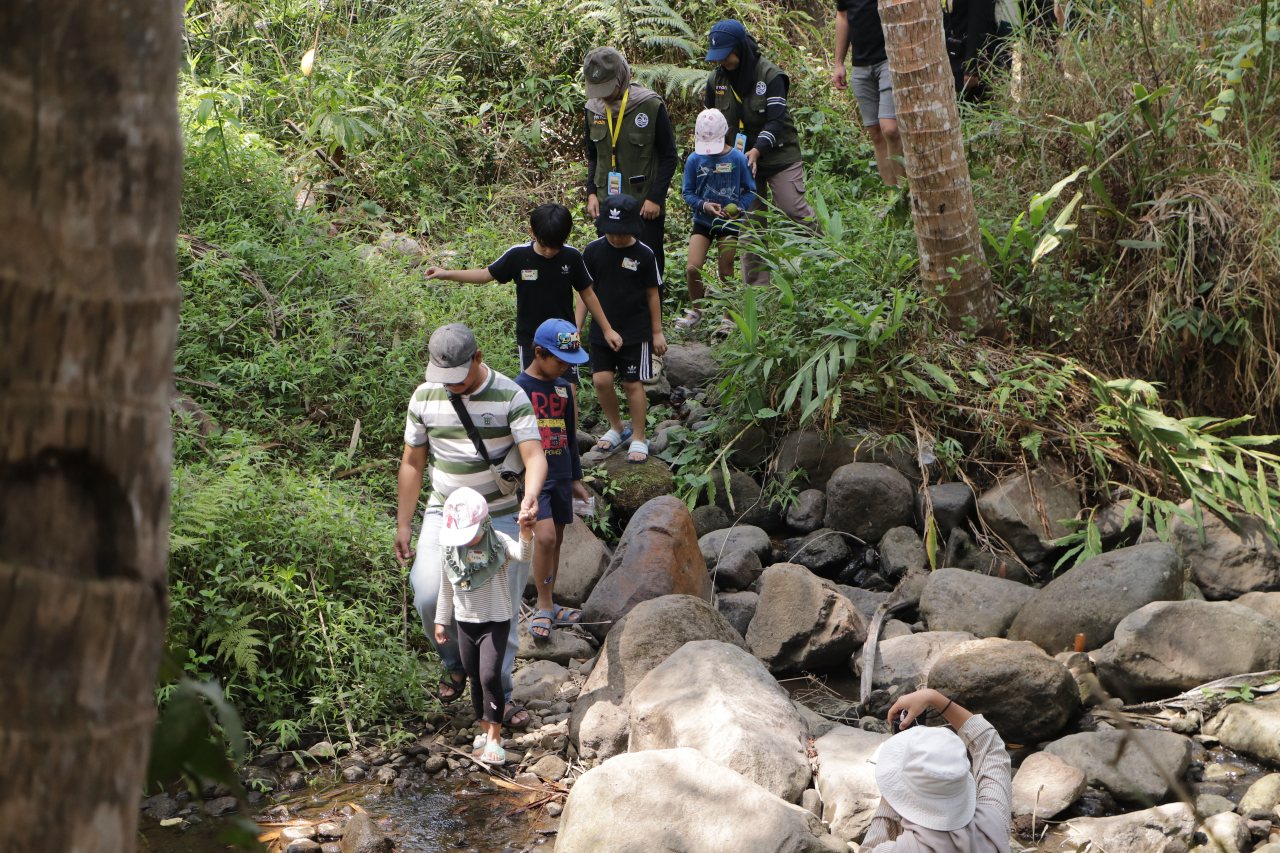
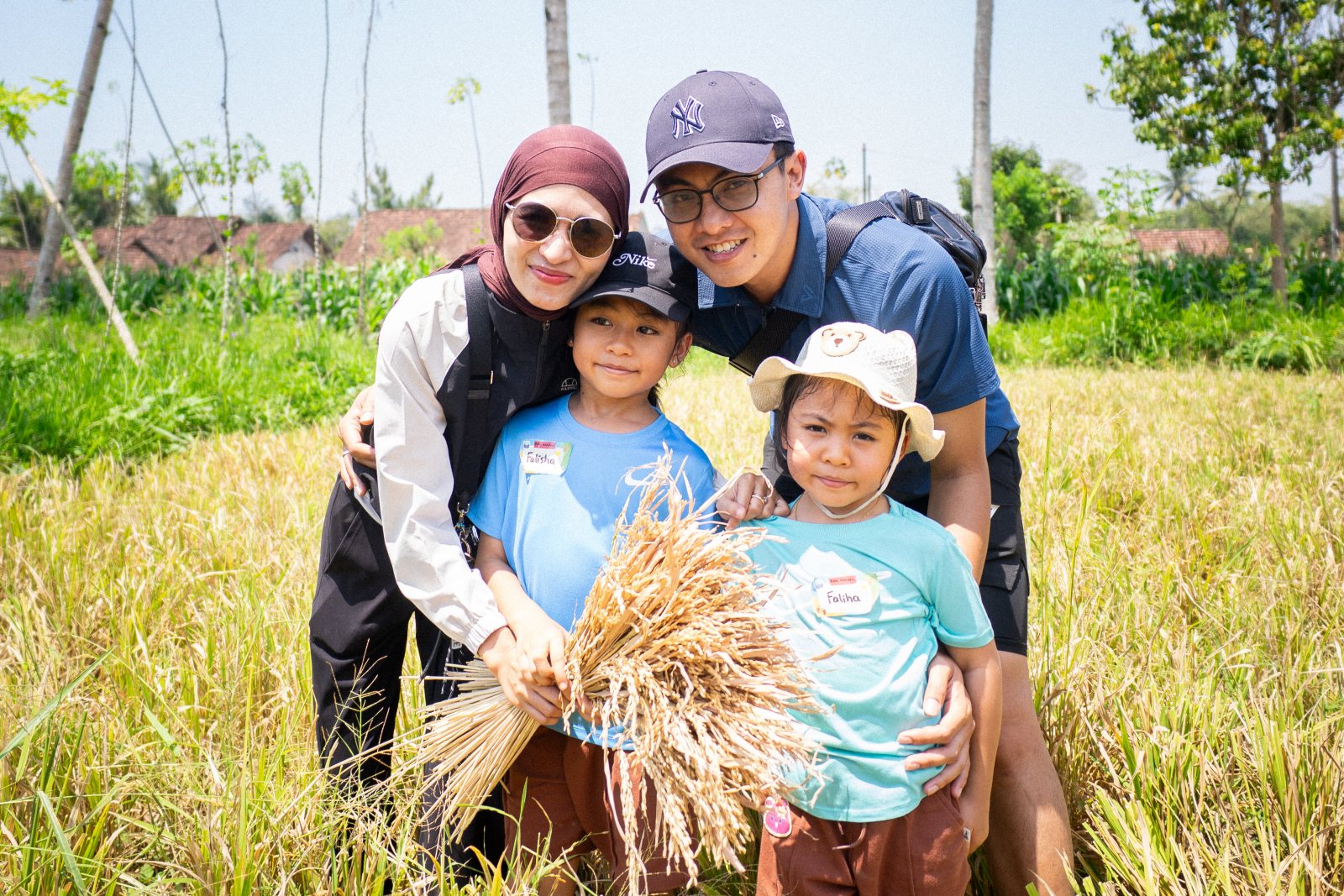
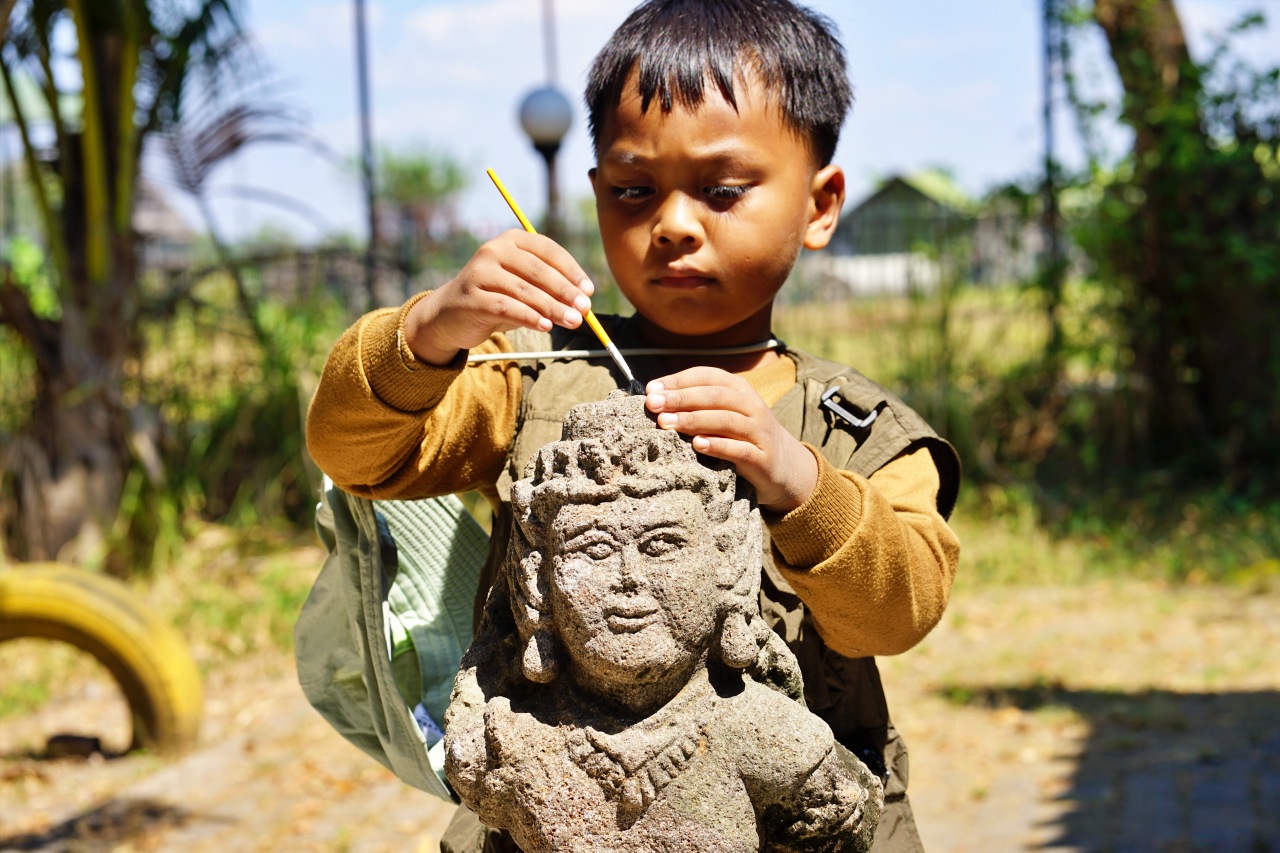
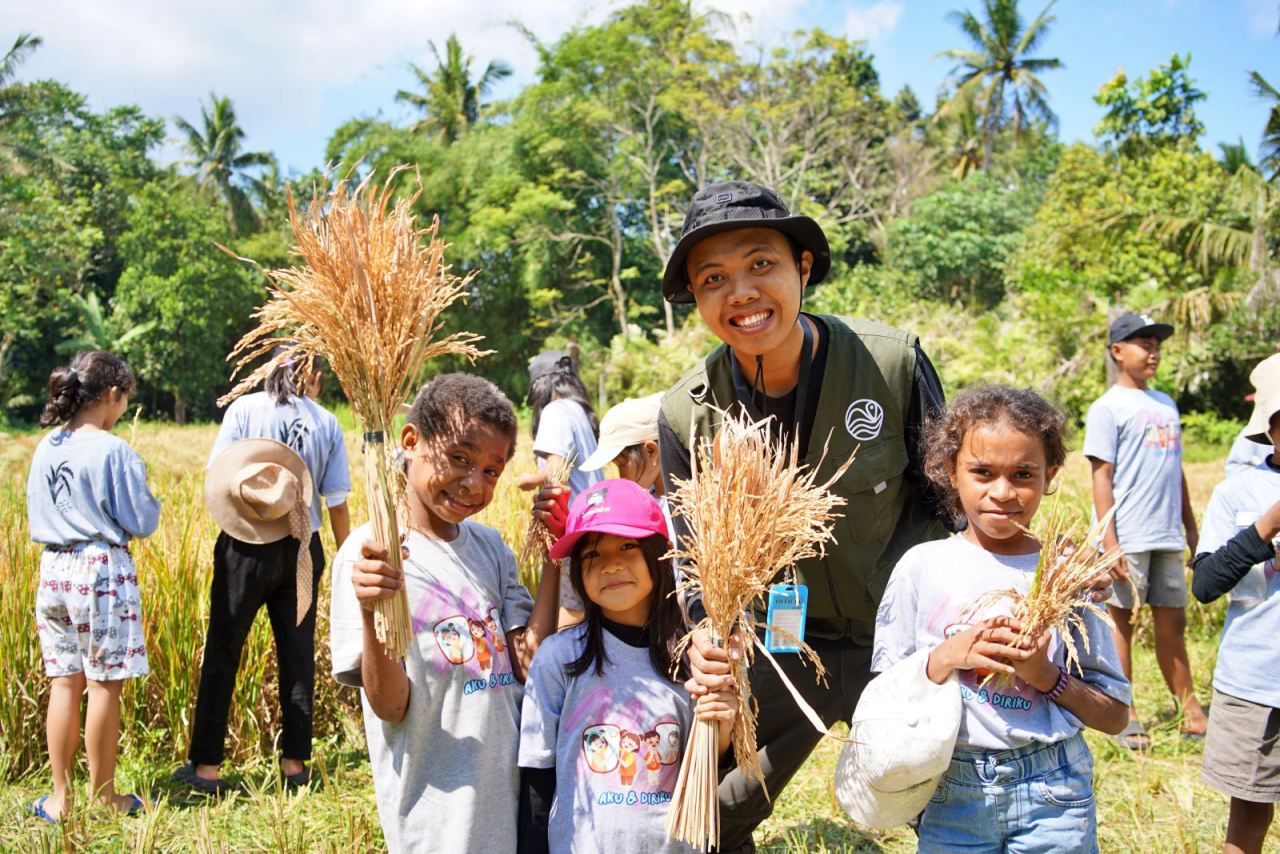
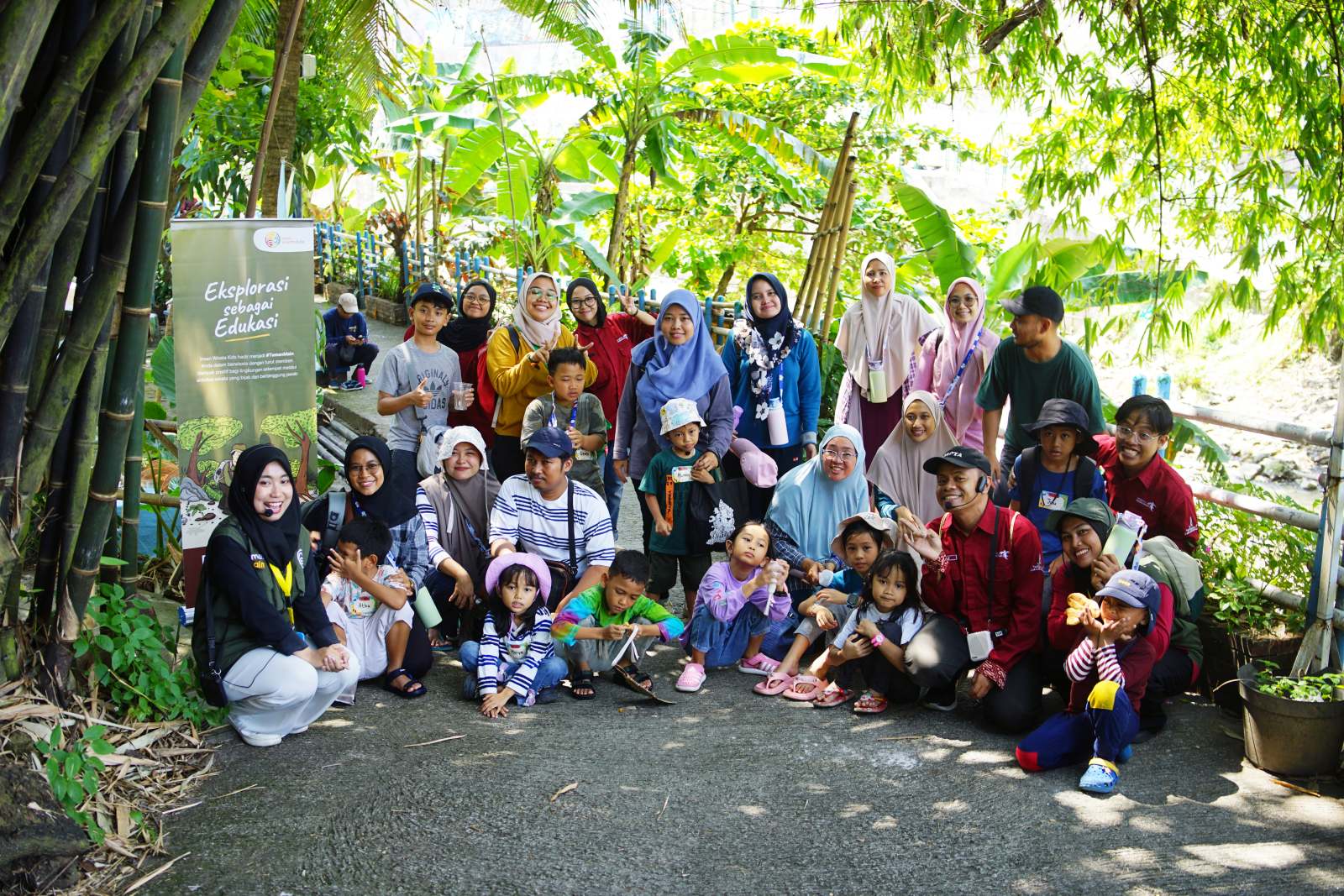
Through educational travel programs such as Sebutir Nasi Journey, children discover the journey of food before it reaches their dining table through hands-on agricultural experiences. Meanwhile, programs such as Sekolah Sungai, Arkeolog Cilik, Junior Wanderer at Prambanan, and Junior Wanderer at Borobudur offer learning experiences shaped by the unique character of each destination.
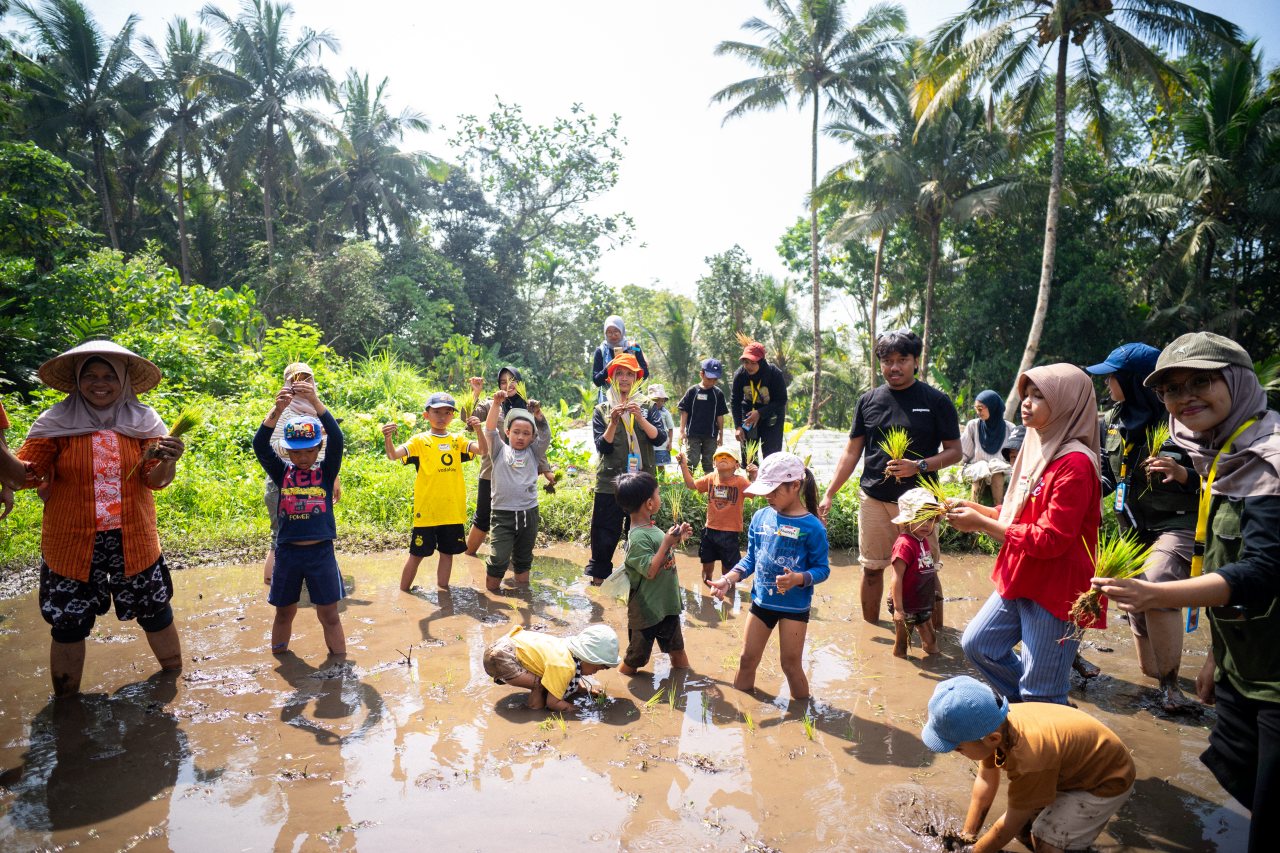
Education does not stand apart from travel. Instead, travel becomes a way for children to experience firsthand what they may have previously only heard about or read in books.
When children learn that rivers are living ecosystems that need to be cared for, that food has a long journey before reaching the table, and that culture is kept alive by the communities who practice it, they gain more than knowledge. They develop a sense of care. And for Insan Wisata Kids, nurturing that care from an early age is an important part of long-term conservation.
From Travelers to Part of the Ecosystem
This approach was also brought by Insan Wisata Kids to the Asia New Travel Bootcamp 2026 in Okinawa, Japan, together with Indonesia’s Ministry of Tourism through the Deputy for Destination Development and Infrastructure. At the forum, Insan Wisata Kids introduced regenerative tourism through children’s educational travel and local community empowerment.
The model connects three key elements: caring for nature, preserving culture, and strengthening local communities. Travelers are no longer simply observers, but become part of the ecosystem and contribute to the long-term well-being of the destinations they visit.
Insan Wisata Kids Co-Founder, Hannif Andy, puts the idea of regenerative tourism simply: “It is not only about minimizing our impact, but about creating a positive impact for nature and communities.”
Ultimately, regenerative tourism is not about adding one conservation activity to a travel package. It is a different way of seeing travel: coming to learn, being present to contribute, growing together with communities and places, and leaving something good behind when we go home.
Because a meaningful journey is not only about what we receive from a destination. It is also about what we give back, who grows alongside us, and what good can continue long after we leave. Perhaps this is where children’s educational travel finds its deeper meaning—not simply becoming a memory today, but becoming the beginning of a lifelong care for the places they will visit tomorrow.
Written by: Dimas Alfareza