When parents hear the term study tour, they might picture a group of students visiting a museum, temple, plantation, or other tourist attraction. There is a bus, a tour guide, group photos, and a journey home filled with stories.
These are all part of the experience. But there is a more important question to ask: when the study tour is over, what do children take home besides photos and memories?
A study tour should give children the chance to learn through real-life experiences. They can see things they have only read about in books, meet people from different backgrounds, and explore the world around them through fun and meaningful activities.
A Study Tour Is More Than Visiting Tourist Attractions
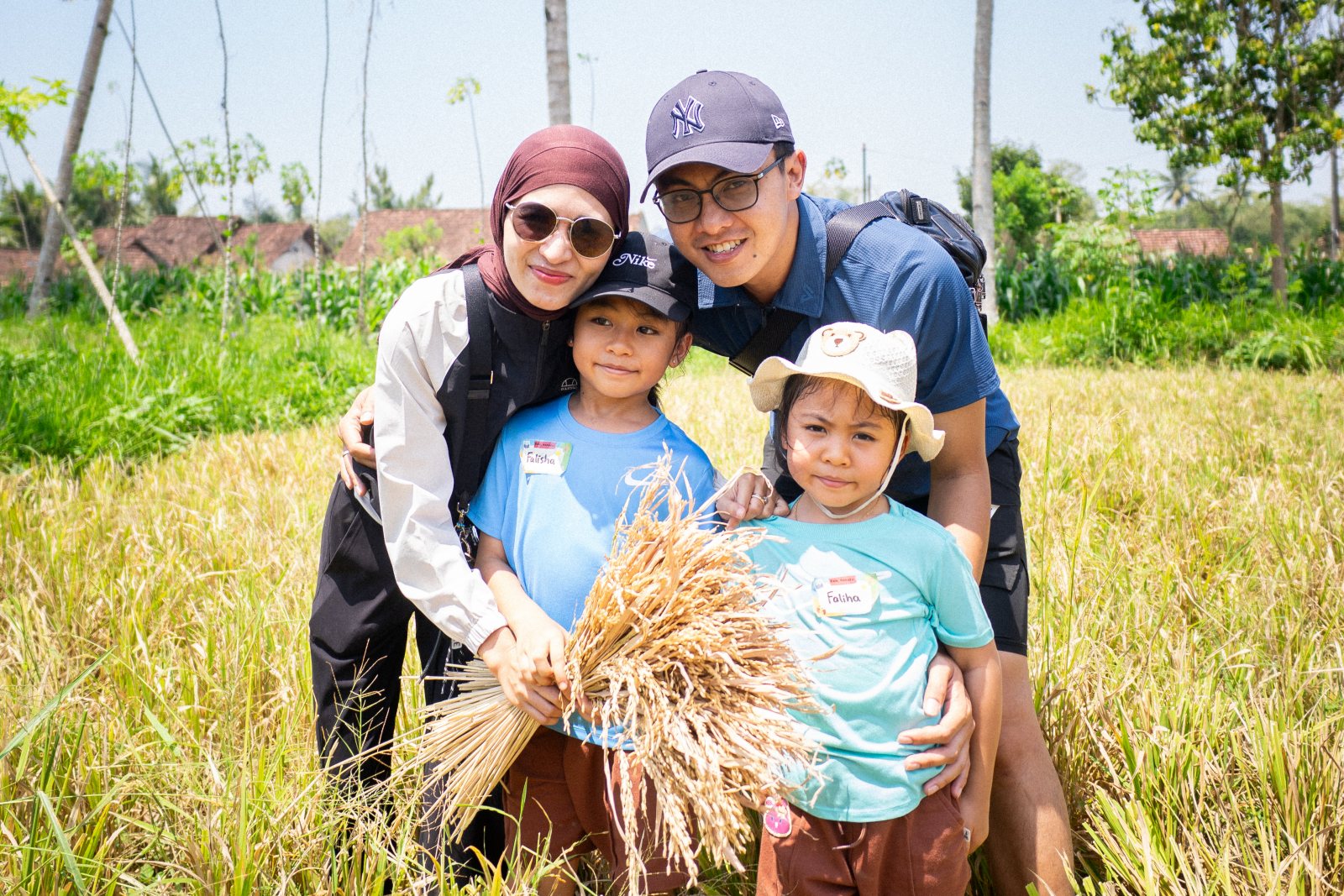
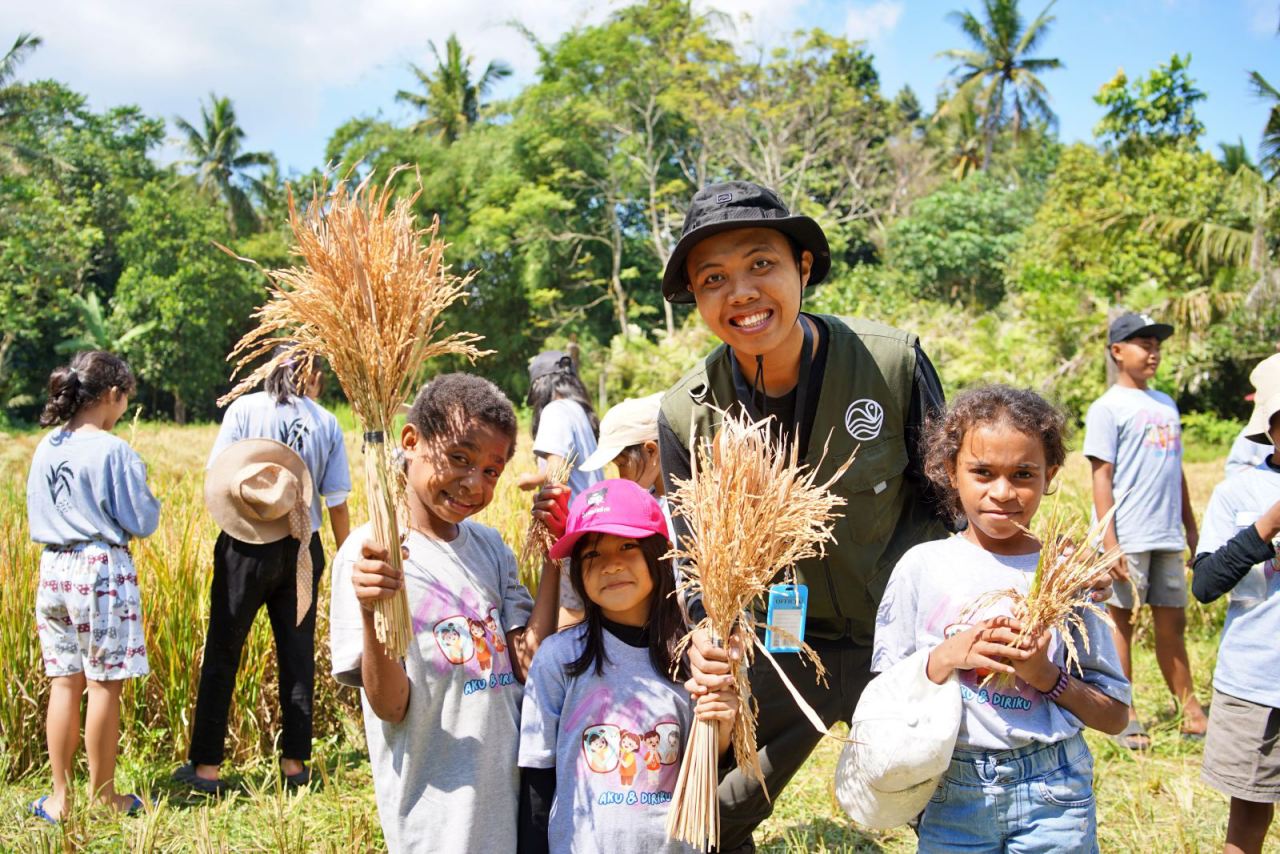
Learning does not always have to happen in a classroom. For example, a visit to a rice field can help children understand how rice grows, what farmers do, how soil works, and why water is essential for food production.
Similar experiences can happen when children explore a river, discover historical heritage, or interact with people in a village. Instead of simply receiving information, they learn to observe, ask questions, try things for themselves, and draw conclusions from what they discover.
That is why the success of a study tour should not be measured only by how many places children visit or how busy the schedule is. What matters more is what they learn, which experiences stay with them, and how the journey helps them better understand the world around them.
The same principle applies to a school field trip. Whether it takes place near the school or in a more distant destination, an out-of-class learning experience should have clear educational goals and give children opportunities to take part.
Read also: Planting Rice, Growing Values: Educational Travel and Regenerative Tourism with Insan Wisata Kids
Designing Study Tours That Create Meaningful Learning Experiences
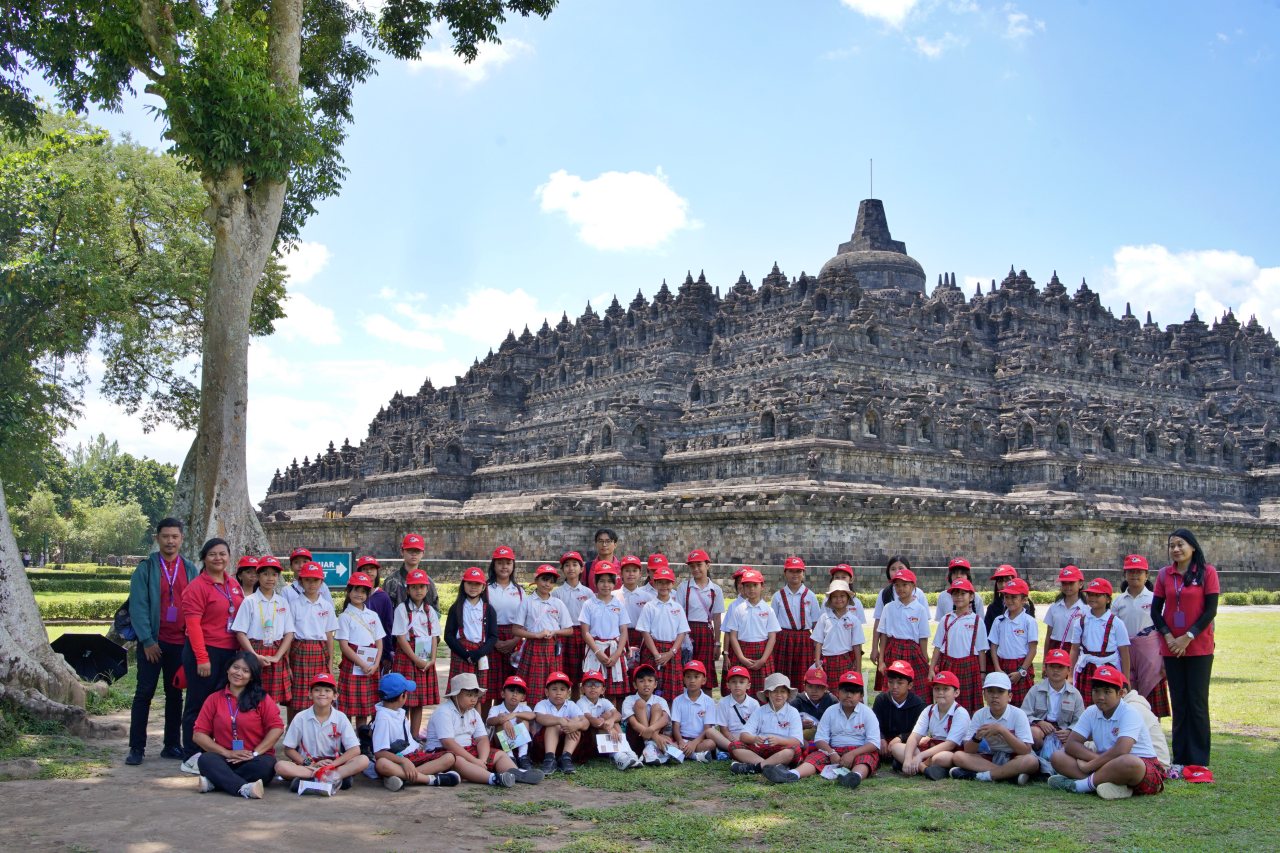
A good educational trip does not happen by accident. Before the journey begins, schools and trip organizers need to set learning goals, choose relevant destinations, and prepare activities that suit the children’s ages and needs.
Children can also be involved in the preparation. They might learn about the destination, discuss what they want to discover, or prepare simple questions to explore during the trip.
During the visit, children should have opportunities to try things for themselves. Observing plants and animals, talking with local people, exploring history, or taking part in community activities can leave a stronger impression than simply listening to explanations throughout the visit.
After the trip, children can reflect on what they experienced by sharing stories, discussing their observations, or creating something based on what they learned. This helps turn study tours and school field trips into a meaningful part of the learning process, rather than just a break from the usual school routine.
The Role of a Child-Friendly Trip Organizer in Study Tours
Planning a trip for children is different from organizing one for adults. Activities need to consider children’s attention spans, curiosity, need for rest, safety, and ability to participate.
This is where a child-friendly trip organizer plays an important role. The job is not simply to arrange schedules and visits, but to create experiences that suit children’s developmental stages and learning goals.
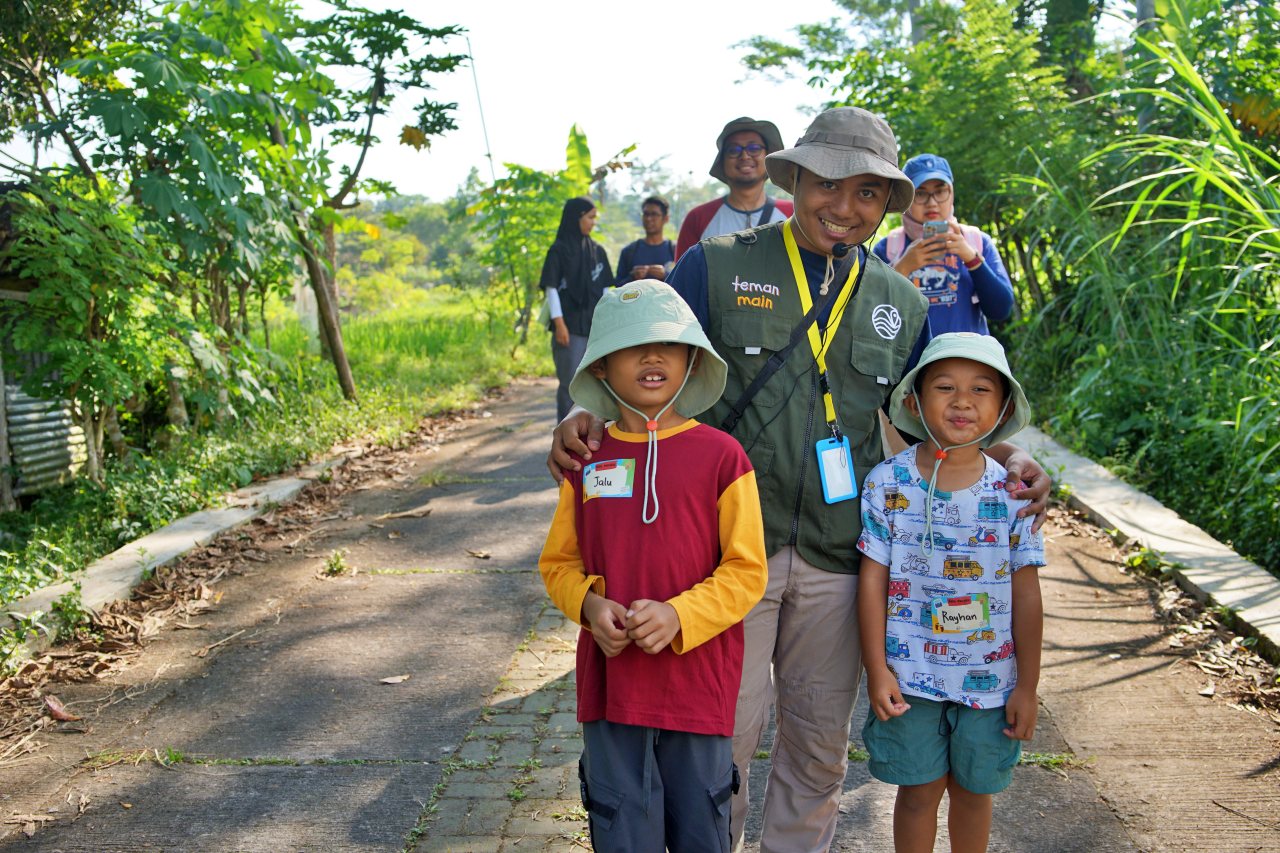
At Insan Wisata Kids, we see destinations as places where children can learn in fun and engaging ways. They do not always need to visit places specifically designed for education, because Indonesia’s natural landscapes and cultural diversity already offer so many opportunities to learn.
Our programs are built around the idea that exploration is a form of education. Children are encouraged to observe, ask questions, try things, and interact with their surroundings, so the experience goes beyond simply having fun.
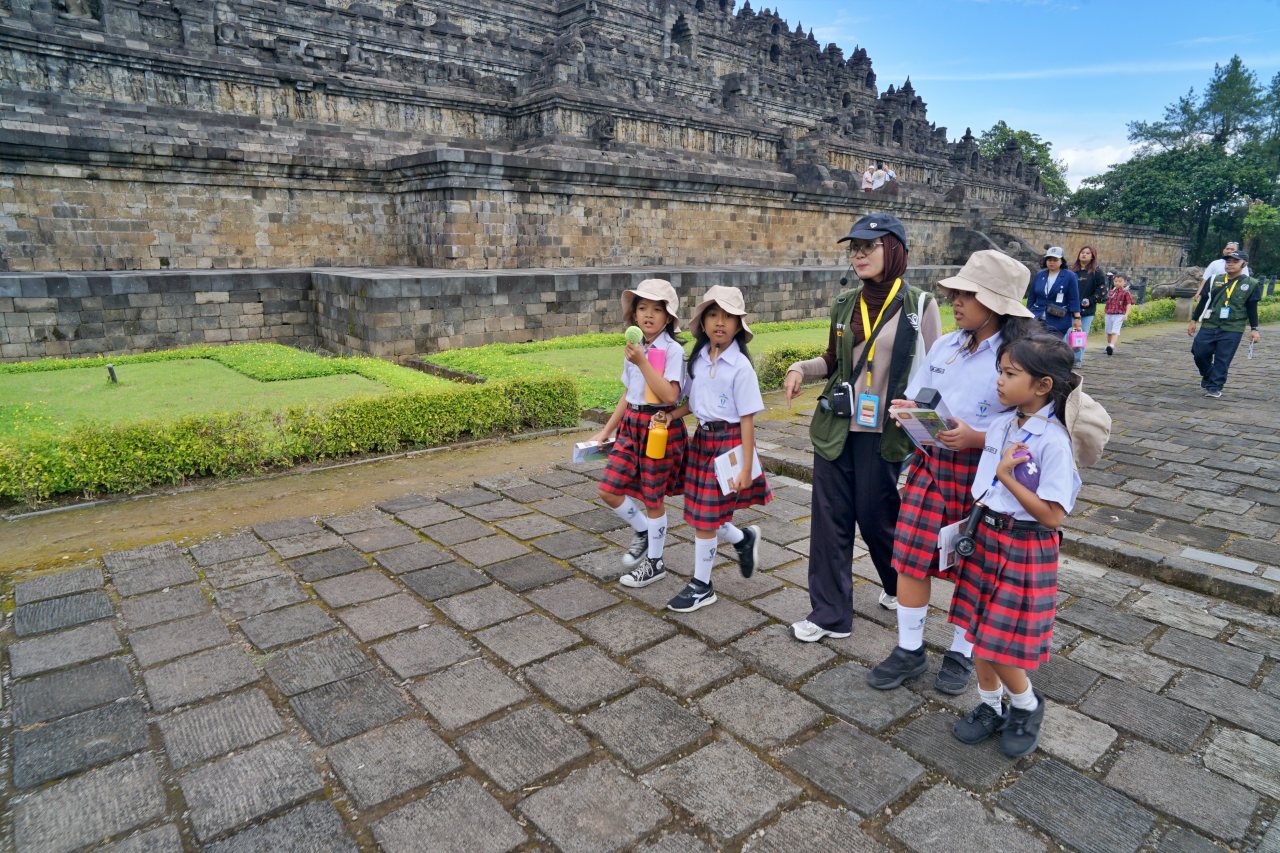
Learning from Nature, Culture, and Local Communities
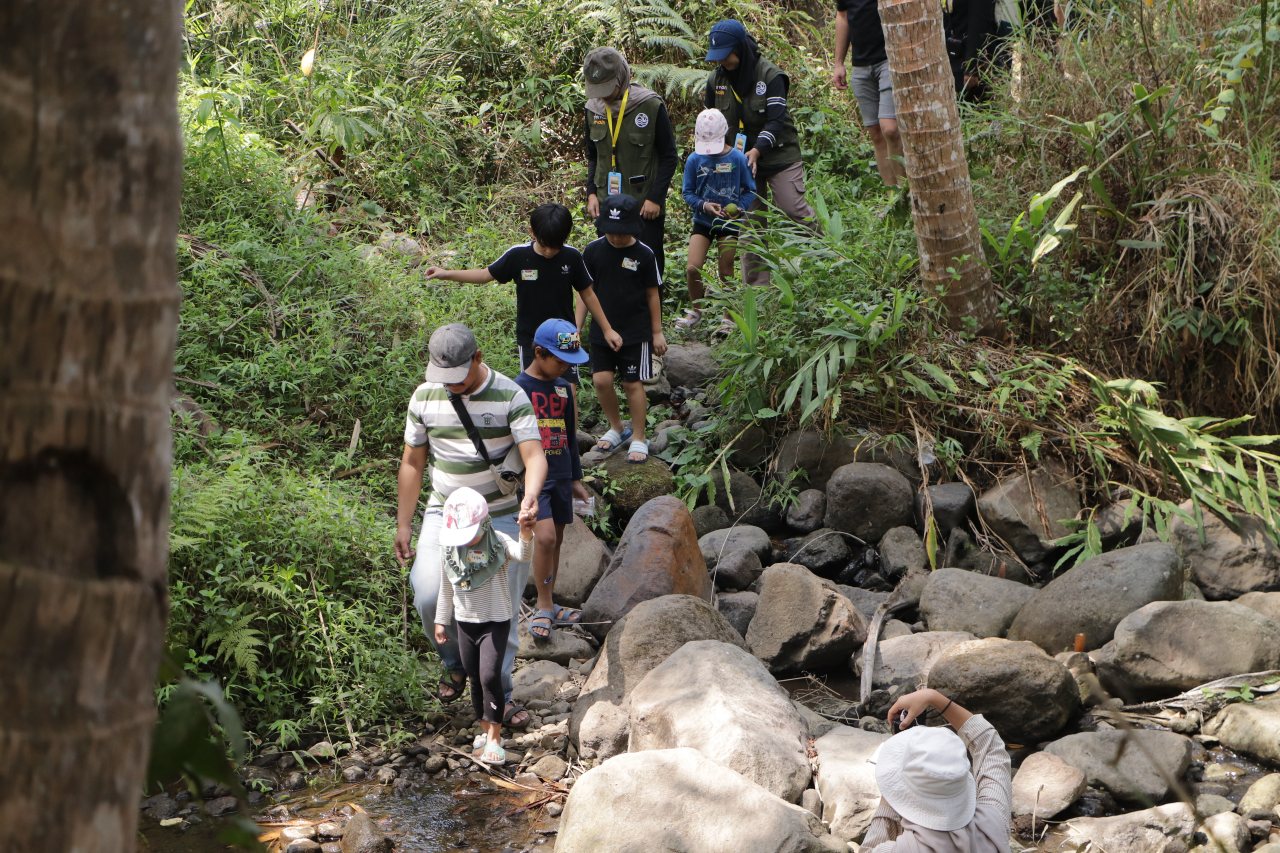
Through our Sekolah Sungai (River School) program, children discover rivers and the lives connected to them. They learn that a river is more than flowing water; it is part of an ecosystem that needs to be understood and protected.
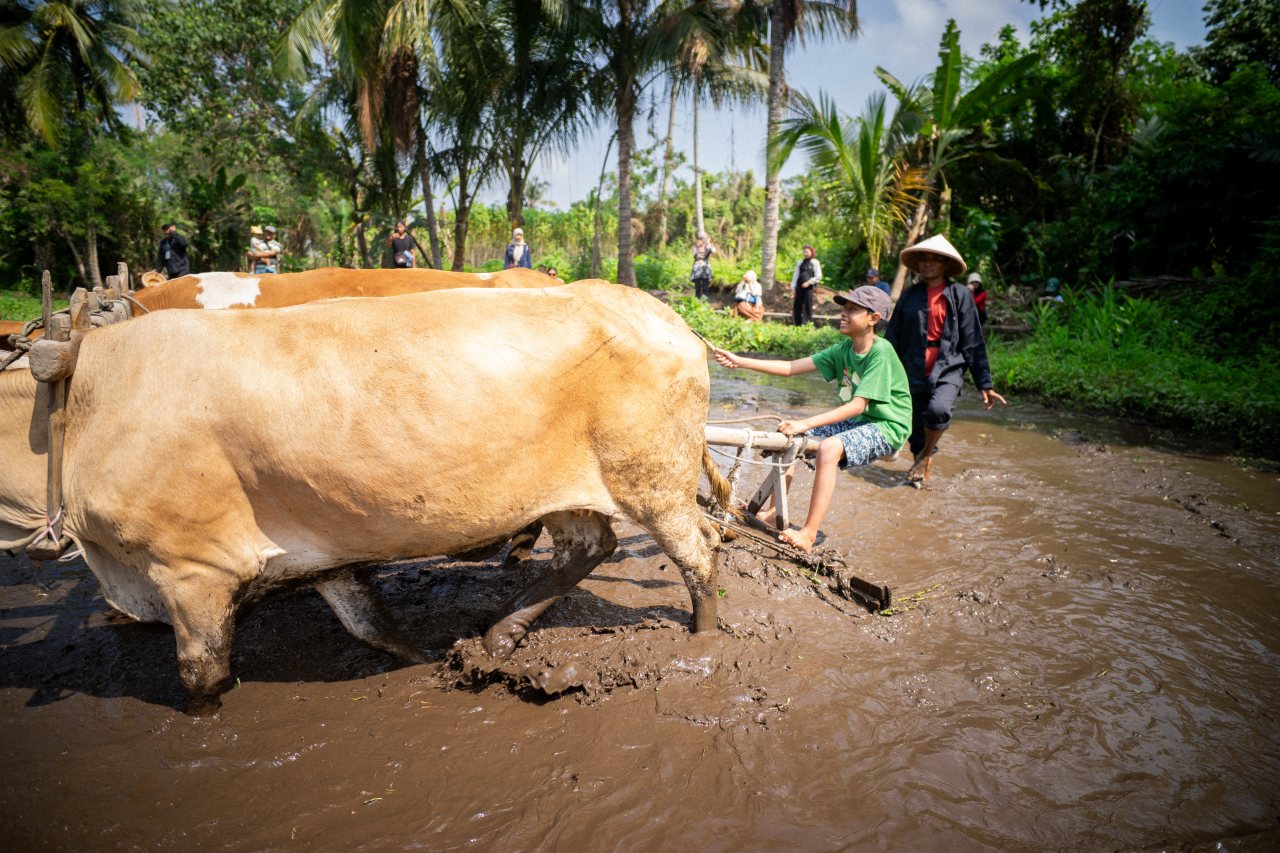
In Perjalanan Sebutir Nasi (The Journey of a Grain of Rice), children follow the journey of food, from growing crops to the meal on their table. This gives them a chance to learn about farmers’ work and understand how much effort goes into the food they eat every day.
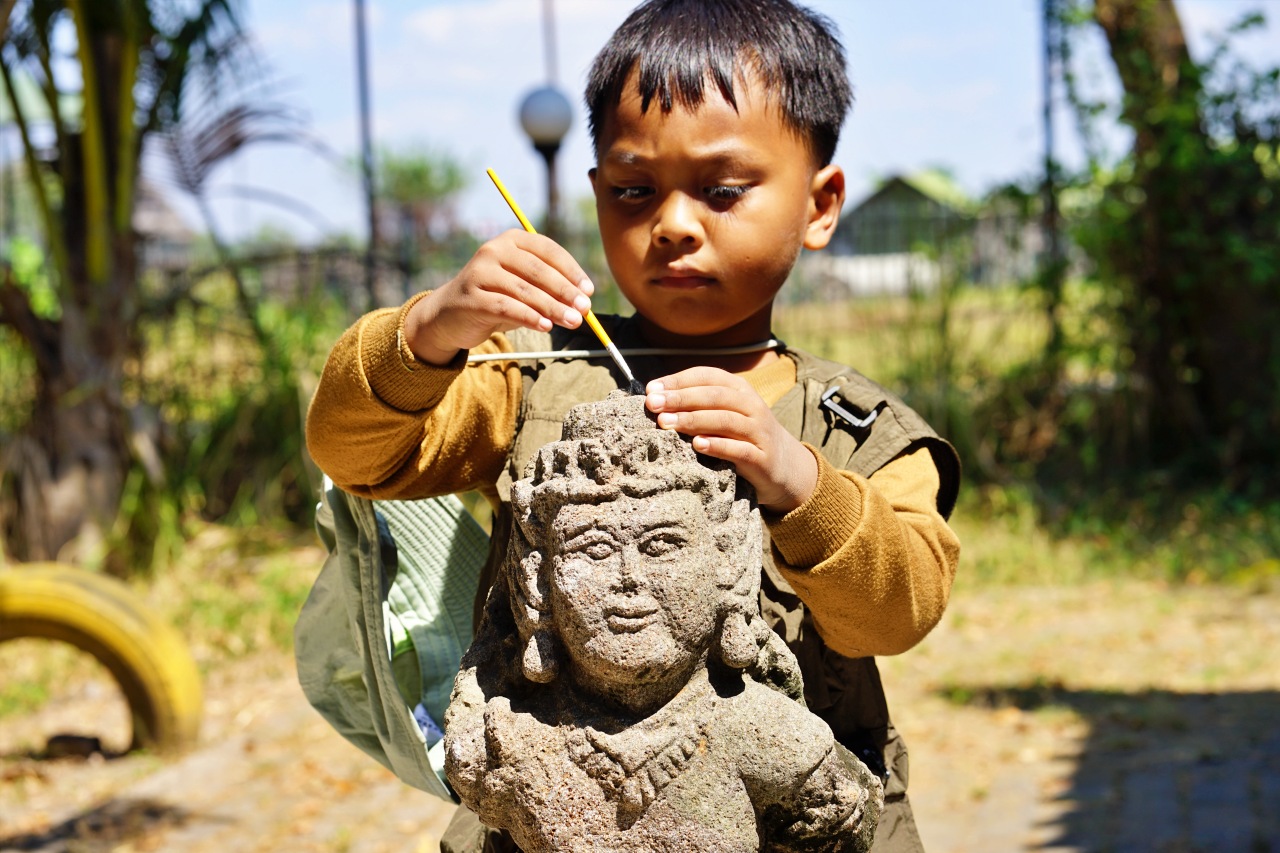
Our Susur Sungai Bening program invites children to explore a river environment and observe the life around it. Meanwhile, Petualangan Arkeolog Cilik (Little Archaeologists Adventure) introduces them to the past through activities such as discovering, observing, and studying historical artefacts.
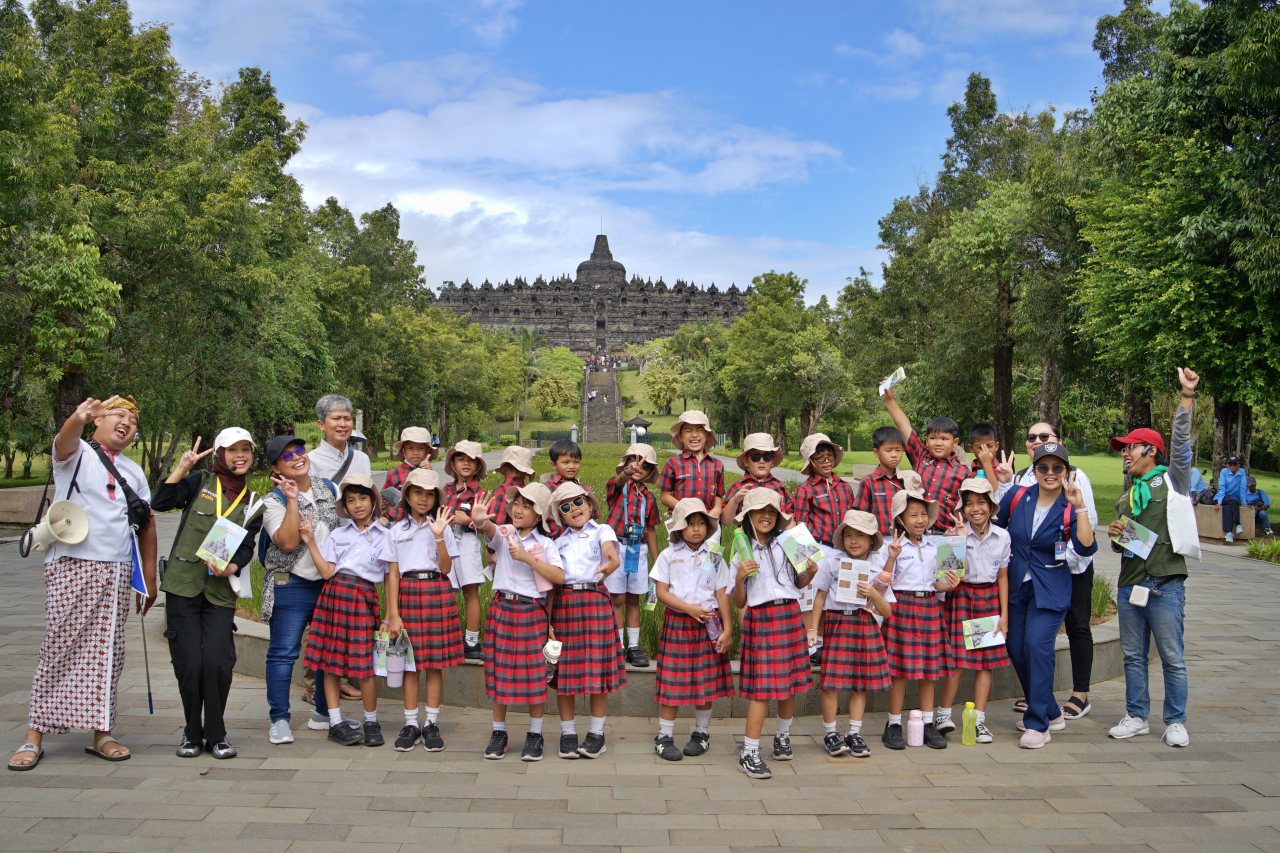
Through Junior Wanderer, children also get to explore cultural heritage and discover the stories behind each destination. Each program has a different focus, but they all share the same approach: children learn by taking an active part in the experience.
Making learning fun does not mean making it less meaningful. When children feel interested and comfortable exploring, they have more opportunities to discover and understand new things.
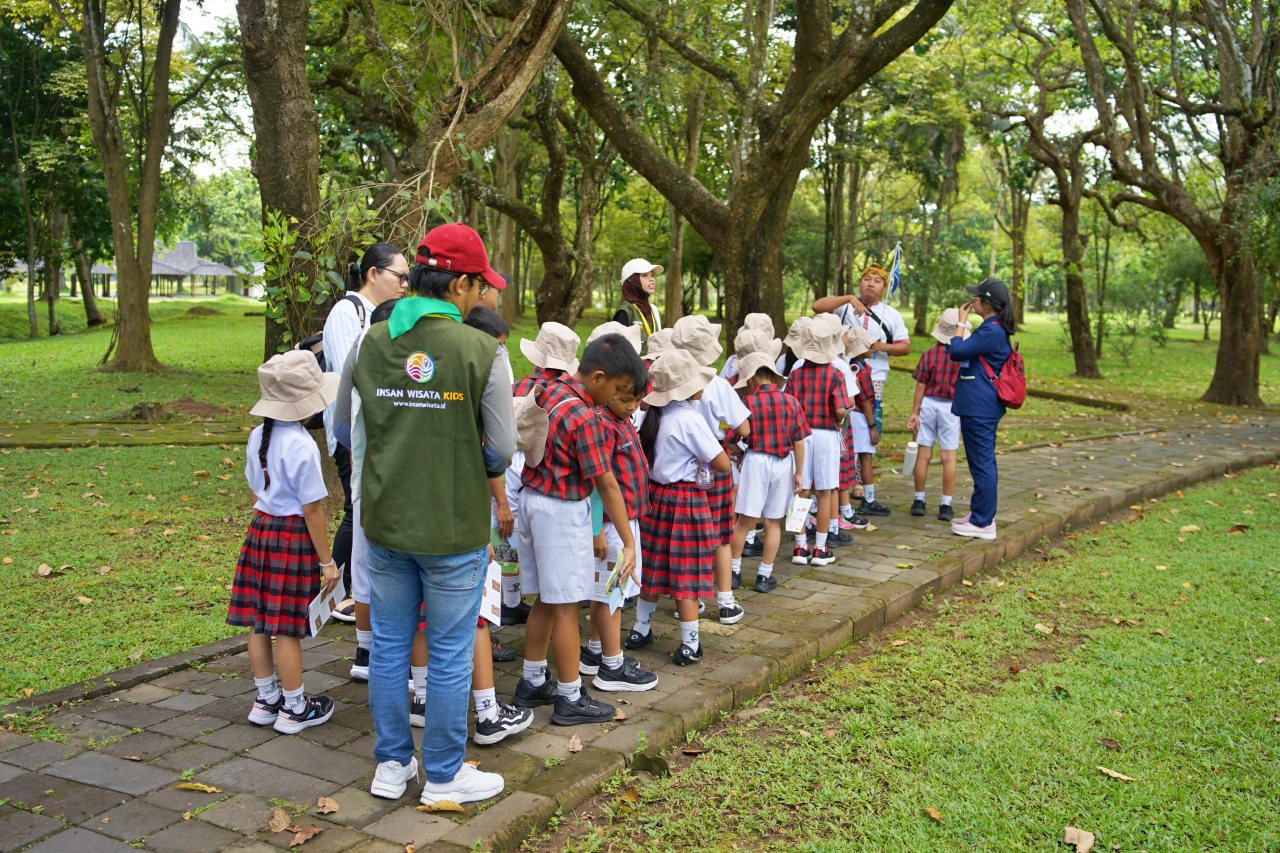
Study Tours That Also Benefit Local Communities
There is another important question to consider when planning a study tour: who takes part in the journey, and who benefits from it? This matters especially when activities take place in tourism villages or areas where people’s daily lives are closely connected to local nature and culture.
Children can learn directly from farmers, local guides, craftspeople, and other community members who share their traditions and everyday experiences. These interactions help children understand a destination through the eyes of the people who live and work there.
Community involvement can also create economic opportunities for local residents. Guiding services, food, educational activities, and locally made products can all become part of the trip when they are developed together with the community and managed responsibly.
This approach reflects the principles of regenerative tourism. Tourism is not only about reducing negative impacts, but also about making a positive contribution to the environment and the lives of people in the destinations we visit.
We put this commitment into practice through every Insan Wisata Kids trip. For every child who joins a trip, we contribute one mangrove tree to support coastal ecosystems and promote regenerative tourism.
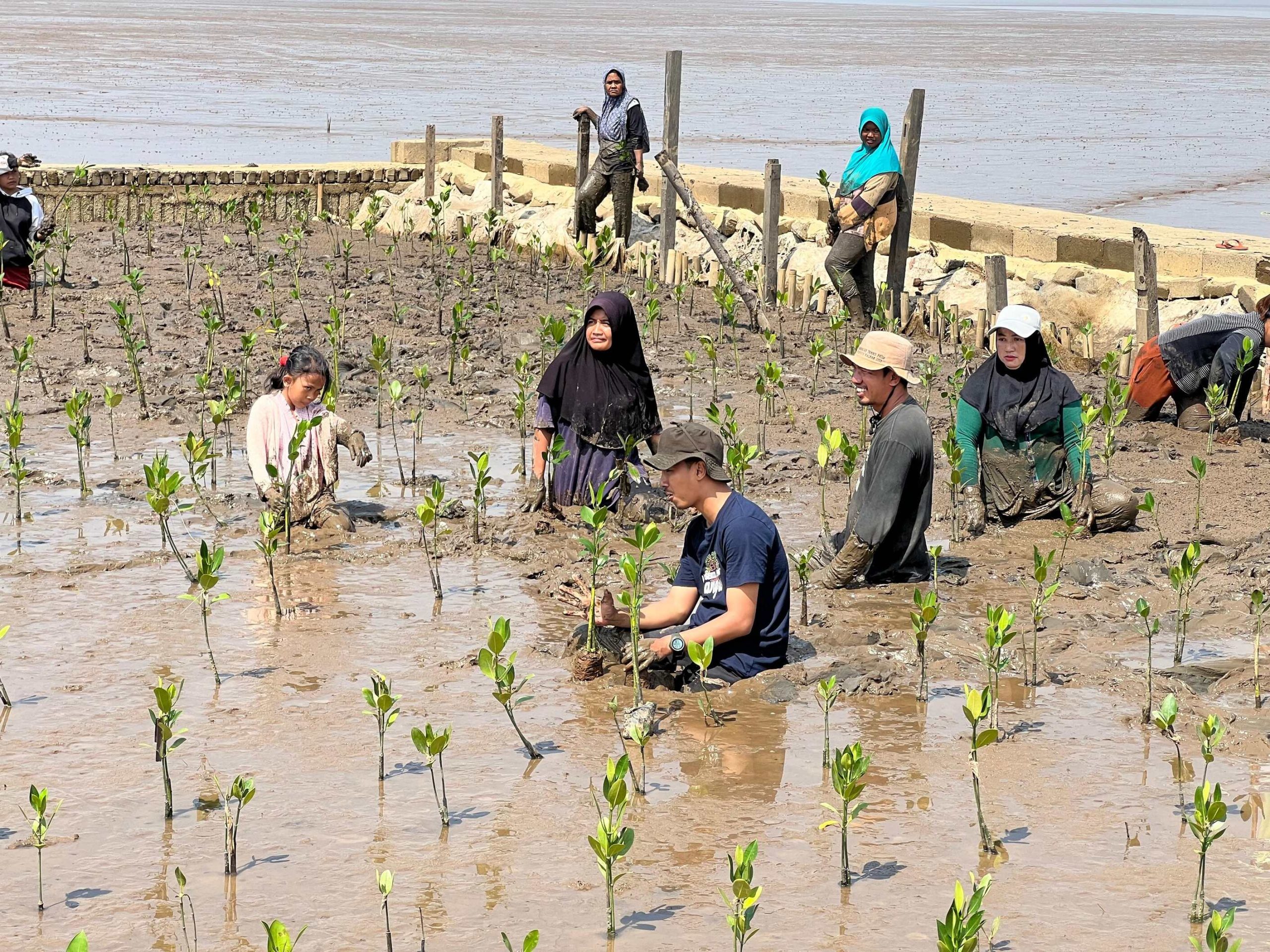
Of course, one activity alone cannot solve environmental challenges. But when children understand why an activity matters, the experience can be a starting point for developing a sense of care that stays with them in everyday life.
For us, regenerative tourism is also about how a trip is designed. Children gain meaningful learning experiences, local communities have opportunities to share their knowledge and take part, and the environment is treated as something to value and protect, not just a backdrop for photos.
What Kind of Study Tours Do Children Need?
A study tour does not always have to take children far from school or require a large budget. What matters is how the experience is designed, who is involved, and what children are expected to learn.
Schools and trip organizers need to work together from the planning stage. Learning goals, destination choices, activities, safety, and supervision all need careful consideration to make the journey both enjoyable and meaningful.
The schedule does not need to be packed with activities, either. Children need time to observe, ask questions, try things, and make sense of their experiences without constantly rushing from one place to another.
Learning can continue after the trip through discussions, storytelling, observations, or simple creative projects. These activities help children connect what they experienced during the study tour with what they already know and what they encounter in daily life.
Ultimately, a good study tour is not just about where children go, but what they experience and understand along the way. It is an opportunity to introduce them to different ways of life, encourage care for the environment, and teach them to appreciate the people they meet.
We believe the world beyond the classroom holds lessons that books alone cannot always provide. When a study tour or school field trip has clear goals, proper guidance, and plenty of room for exploration, it can become an experience children remember long after the journey ends.
More than just a trip, it is an opportunity for children to discover their place in a wider world. And when the journey also benefits local communities and the environment, the learning experience becomes even more meaningful.