Parents, you probably know this well: kids light up the moment they meet water. Rivers, ponds, even a puddle in the front yard can feel like an adventure.
According to Maureen Healy, founder of Growing Happy Kids and author of The Emotionally Healthy Child, playing with water stimulates a child’s senses. The cool touch on the skin, the sound of splashing, and the feel of water flowing between the fingers all leave little ones feeling happy and calm at the same time.
And when a child is happy and calm, curiosity comes easily. It would be a shame if that spark stopped at a pond or a rain puddle. A river in the open air holds so much more to explore. Fish, dragonflies, moss on the rocks, water plants, and insects all live there, connected to one another. This web of life is called a river ecosystem.
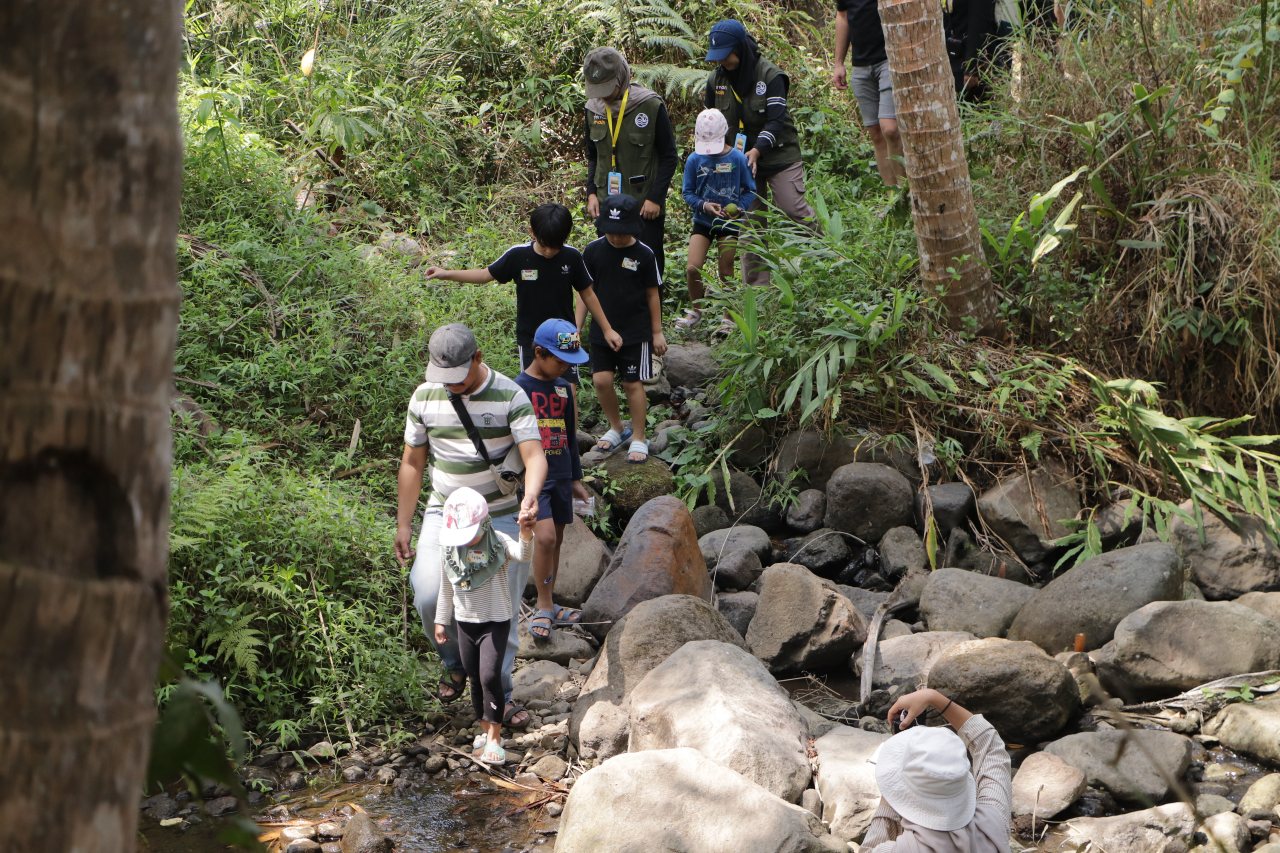
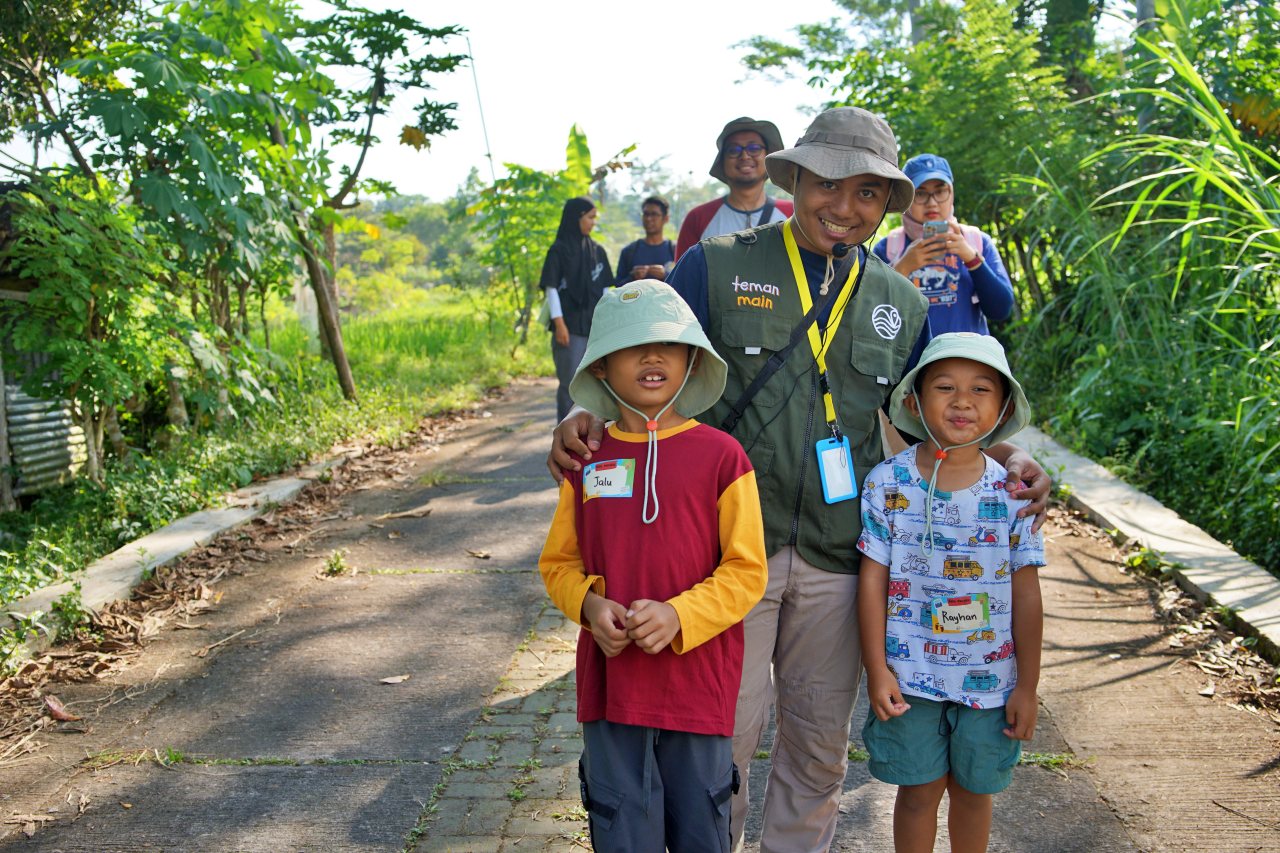
That is the experience offered by Susur Kali Bening (“susur kali” means a walk along the river, “bening” means clear), an educational travel program by Insan Wisata Kids at a partner village. Teman Kecil (the Little Friends, as Insan Wisata Kids calls its child participants) meet clear flowing water, shady trees, and stones to step on. Through experiential learning, they learn by seeing, touching, and experiencing things firsthand, from the salak (snake fruit) orchard to the river ecosystem.
Learning from Real Experience
Parents may wonder: what exactly is experiential learning? Simply put, children learn by doing and feeling for themselves, not by sitting and listening.
The process has four stages: experiencing, understanding, trying, and applying. Parents can spot all four throughout the river walk.
Getting Hands-On in the Adventure
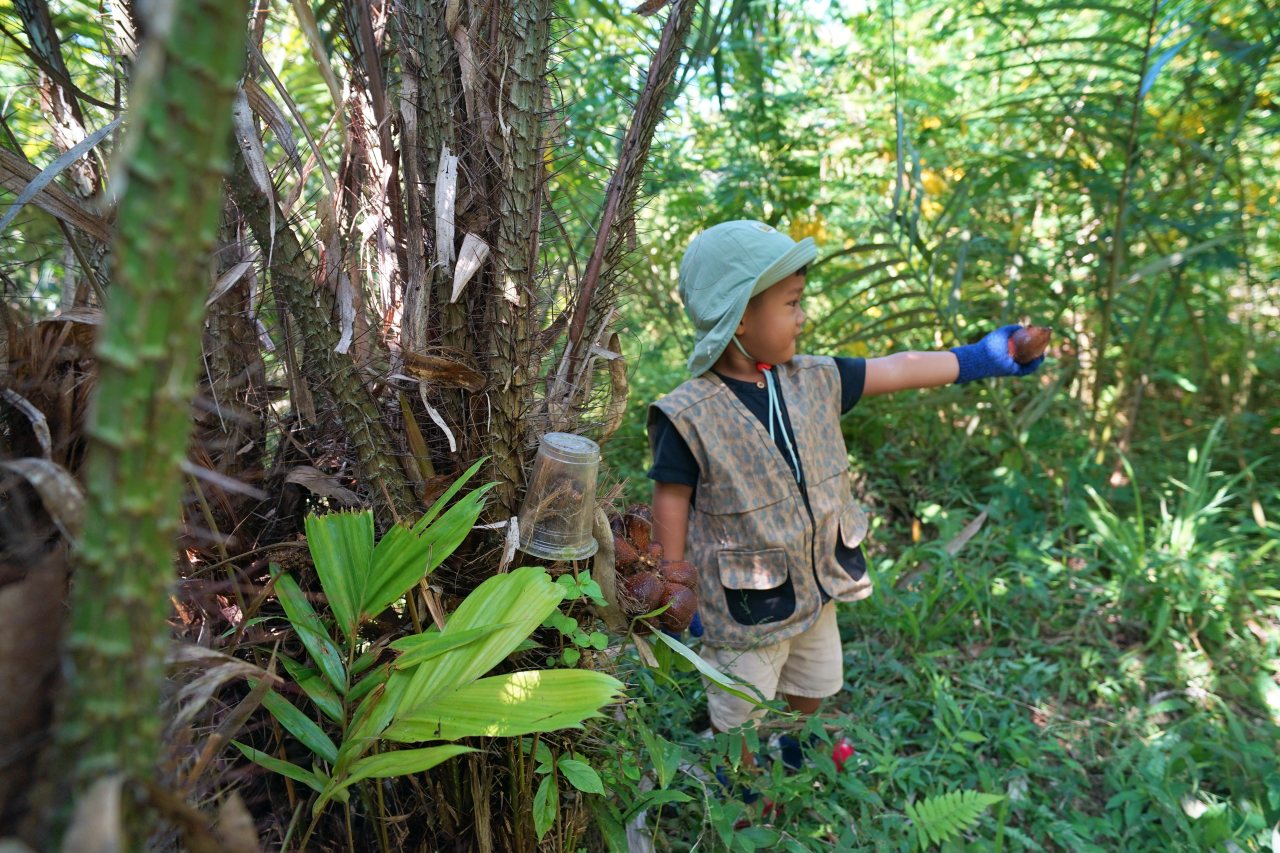
The adventure begins with a short learning session led by Teman Main (the Insan Wisata Kids facilitators), complete with learning media. Teman Kecil discover the river ecosystem and the animals that signal a clean river, such as insects and fish. They also explore the anatomy of the salak tree, from roots, trunk, and leaves to flowers, fruit, and seeds.
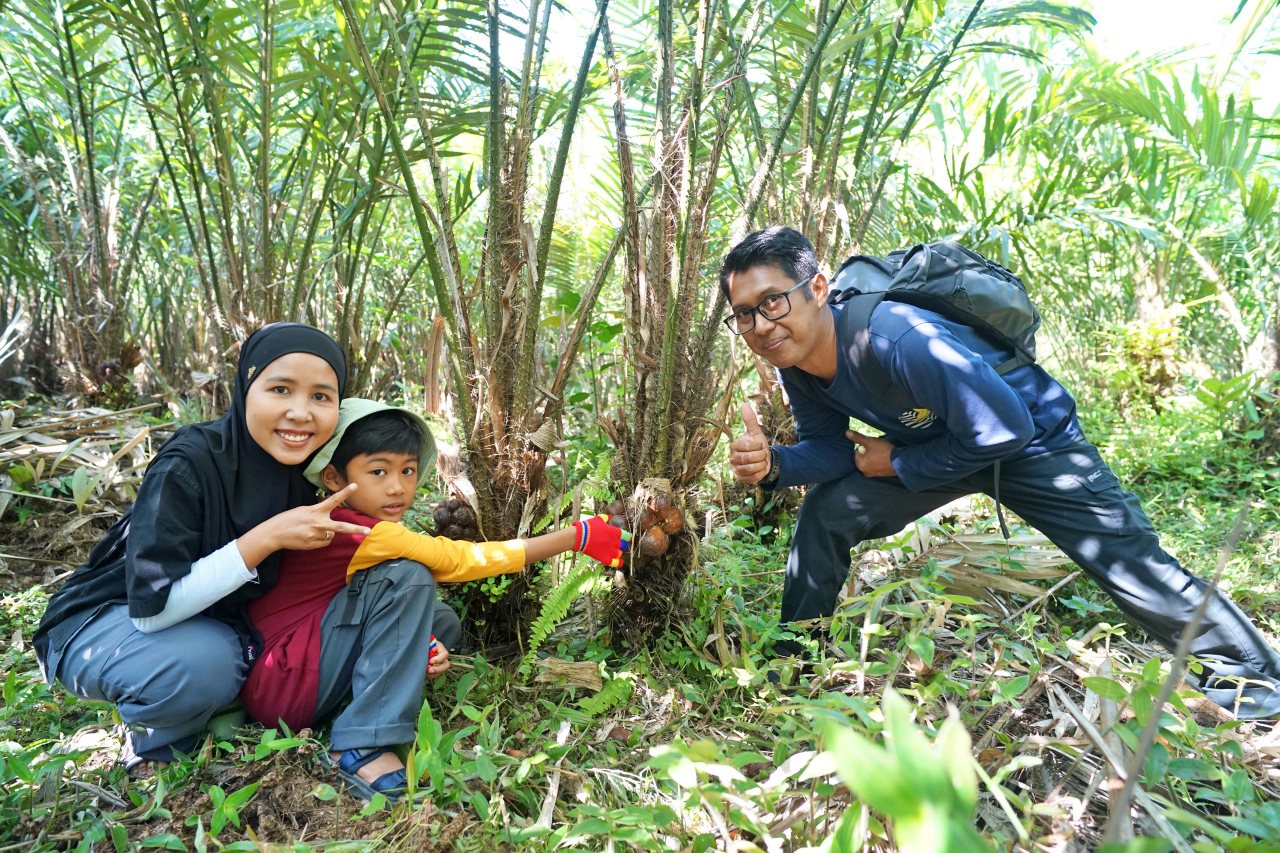
Interestingly, salak trees are a natural sign of clean water sources and soil rich in groundwater. In the orchard, Teman Kecil follow a narrow path that teaches them to step slowly and carefully.
Along the way, local guides introduce the male and female salak flowers and explain how long a tree takes before it can be harvested, around 2 to 3 years. Teman Main also share why a clean river matters. The river is home to animals and plants, and it waters the orchards that villagers depend on.
Afterwards, Teman Kecil release uceng and wader fish (small freshwater fish) into the river to help protect local fish populations. This simple act is regenerative tourism in practice, where visitors do not just enjoy nature but give something back. The whole journey is shared with families and new friends.
Observing Life in the River
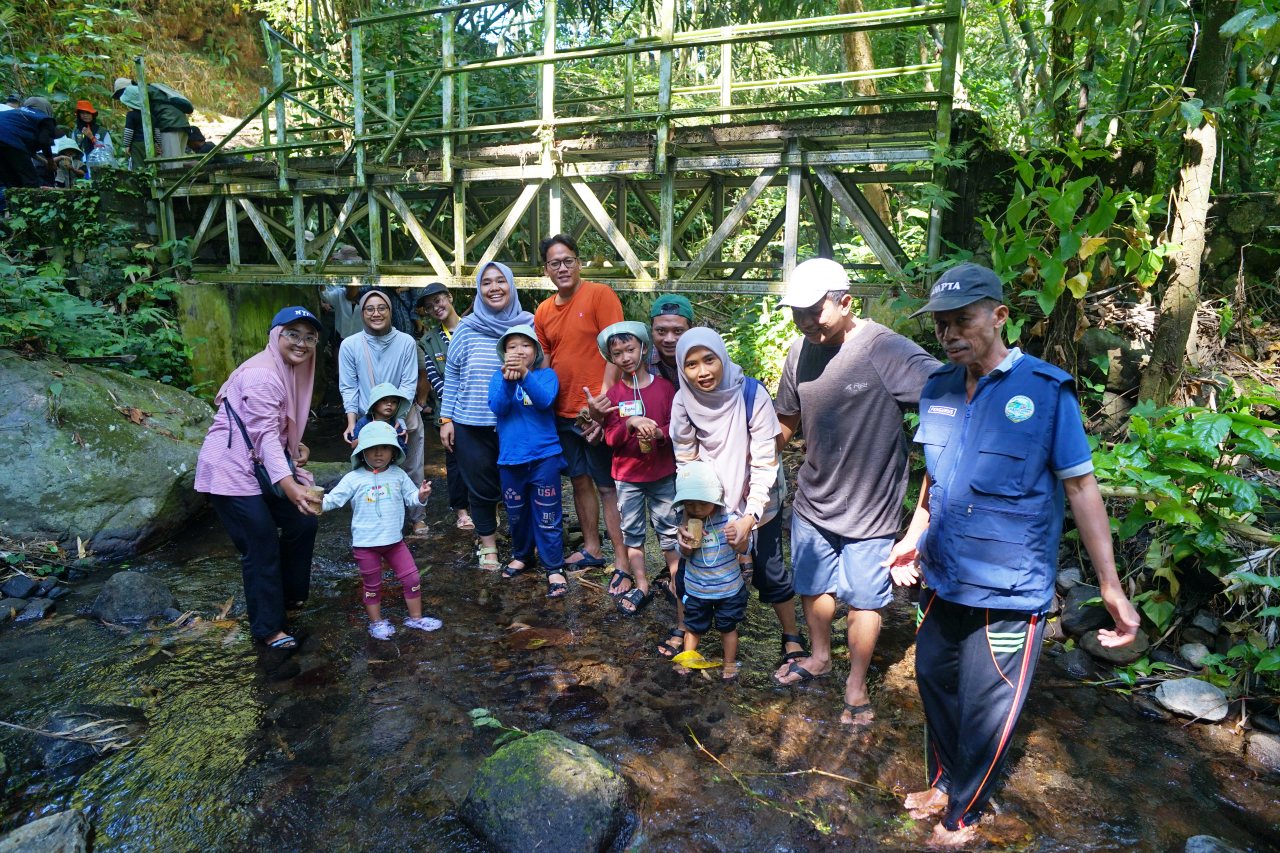
In the middle of the river, Teman Kecil begin to notice the world around them. There are stones, shady trees on both banks, and the calming sound of flowing water. Water striders glide across the surface while metallic blue dragonflies flutter and land on branches.
They observe closely, then match what they see with what they learned in the earlier session. Questions start popping up, like “What animal is this?” or “How can a water strider walk on water without sinking?” That is the sign a child’s mind is hard at work.
Their Turn to Try
After plenty of looking and listening, it is time for Teman Kecil to try things themselves. In the salak orchard, they pick the fruit together with their parents. It is not a free-for-all, because local guides first show them how to choose fruit that is truly ripe.
From the orchard, the adventure continues to the river. Teman Kecil search for the signs of a clean river they learned about through the learning media. Some spot a dragonfly first, while others find insects moving across the water’s surface.
Taking Home Stories and Meaning
This is the heart of the whole journey. Teman Kecil understand that clean water is a comfortable home for fish and insects, so a healthy river can be recognized by the creatures living in it. They also realize that salak goes through a long process before it reaches our hands.
This understanding grows into care, from not littering to not wasting food. Educational travel like this is not meant to make kids memorize as much as possible. It is meant to send them home with something more valuable: a love for protecting nature so it stays beautiful for years to come.
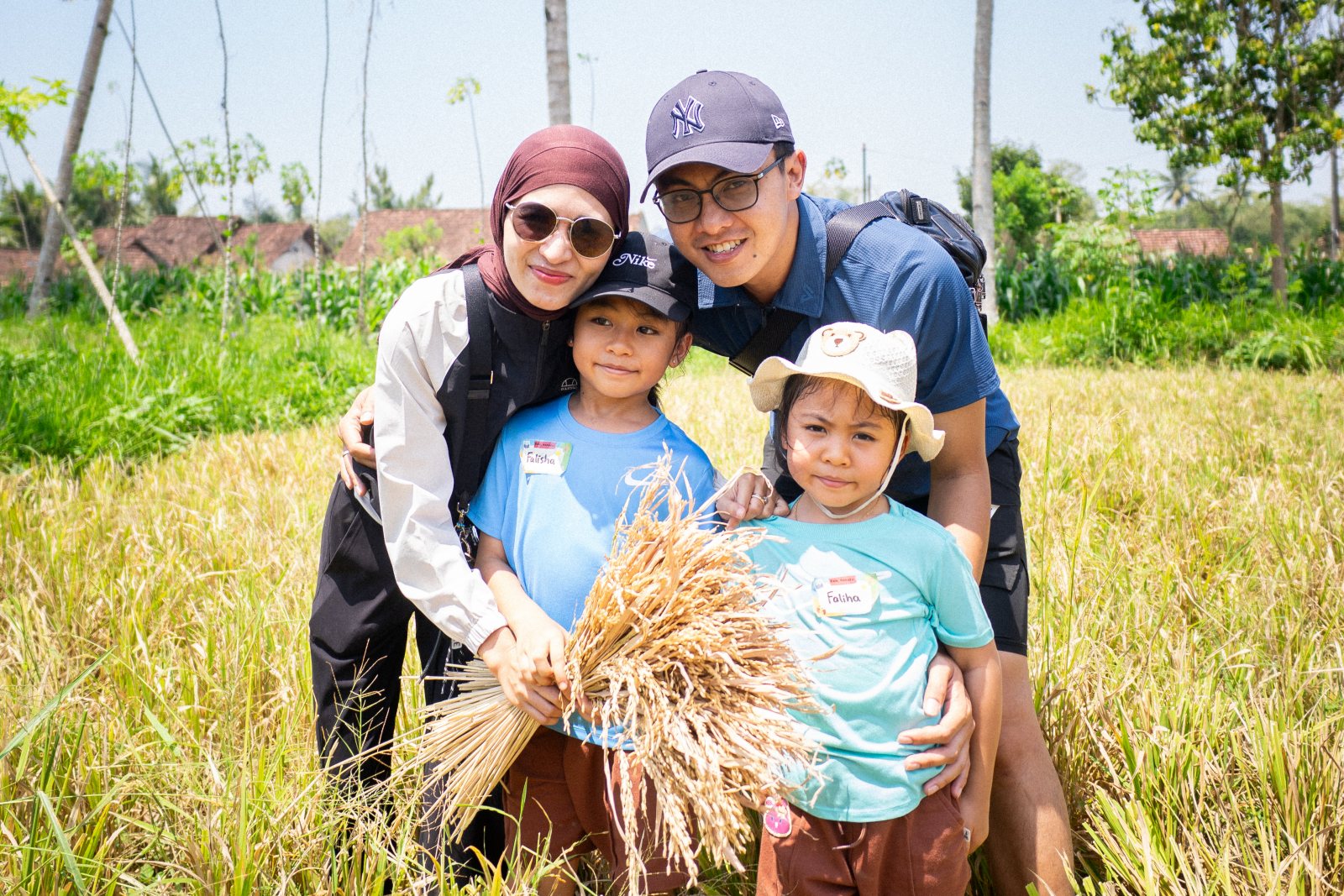
Parents play a big part too. By staying close and warm alongside their Teman Kecil, Parents help create memories that will stay with them well into adulthood. Ready to take your Teman Kecil on a river walk with Insan Wisata Kids, a child-friendly trip organizer that turns nature into a classroom?