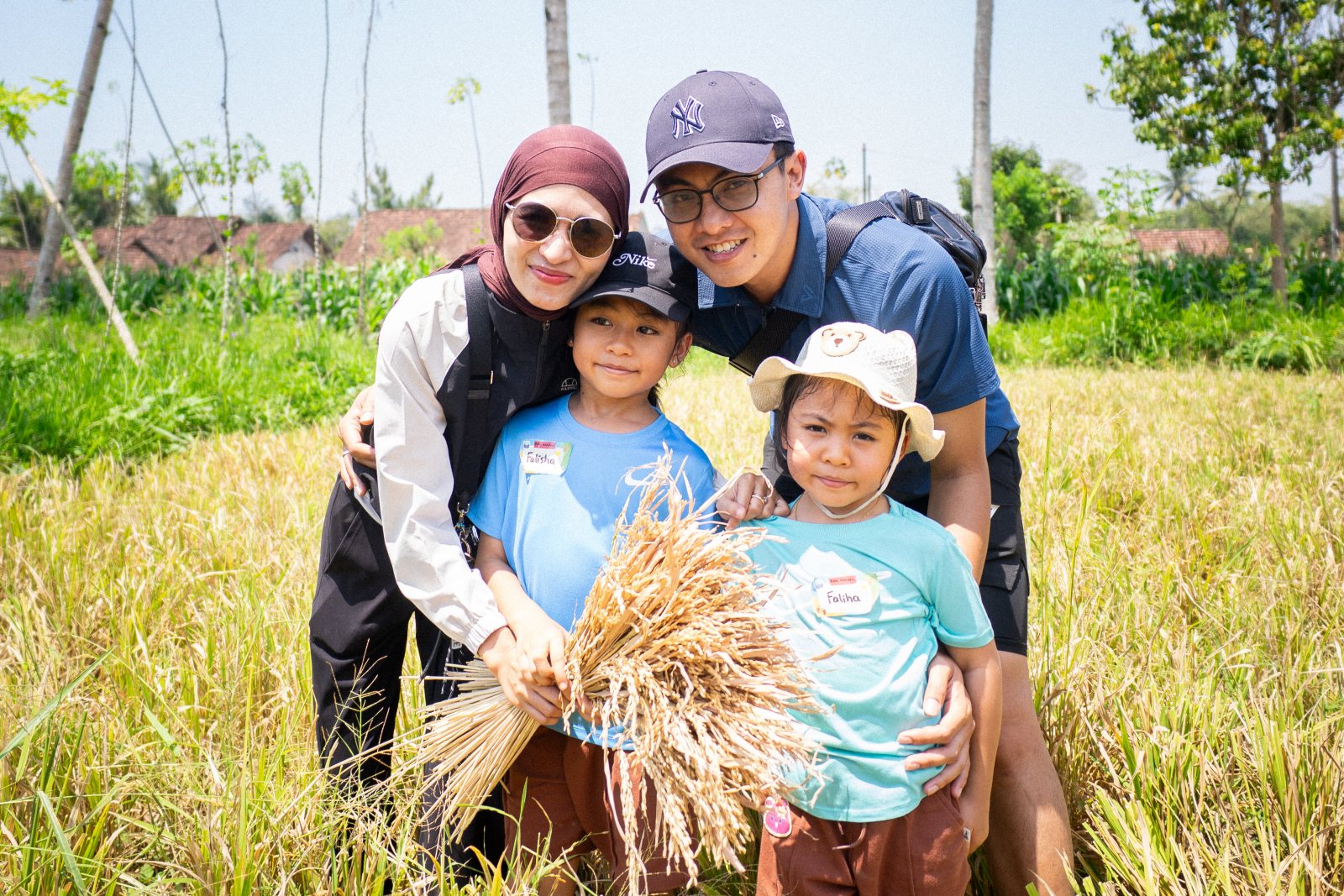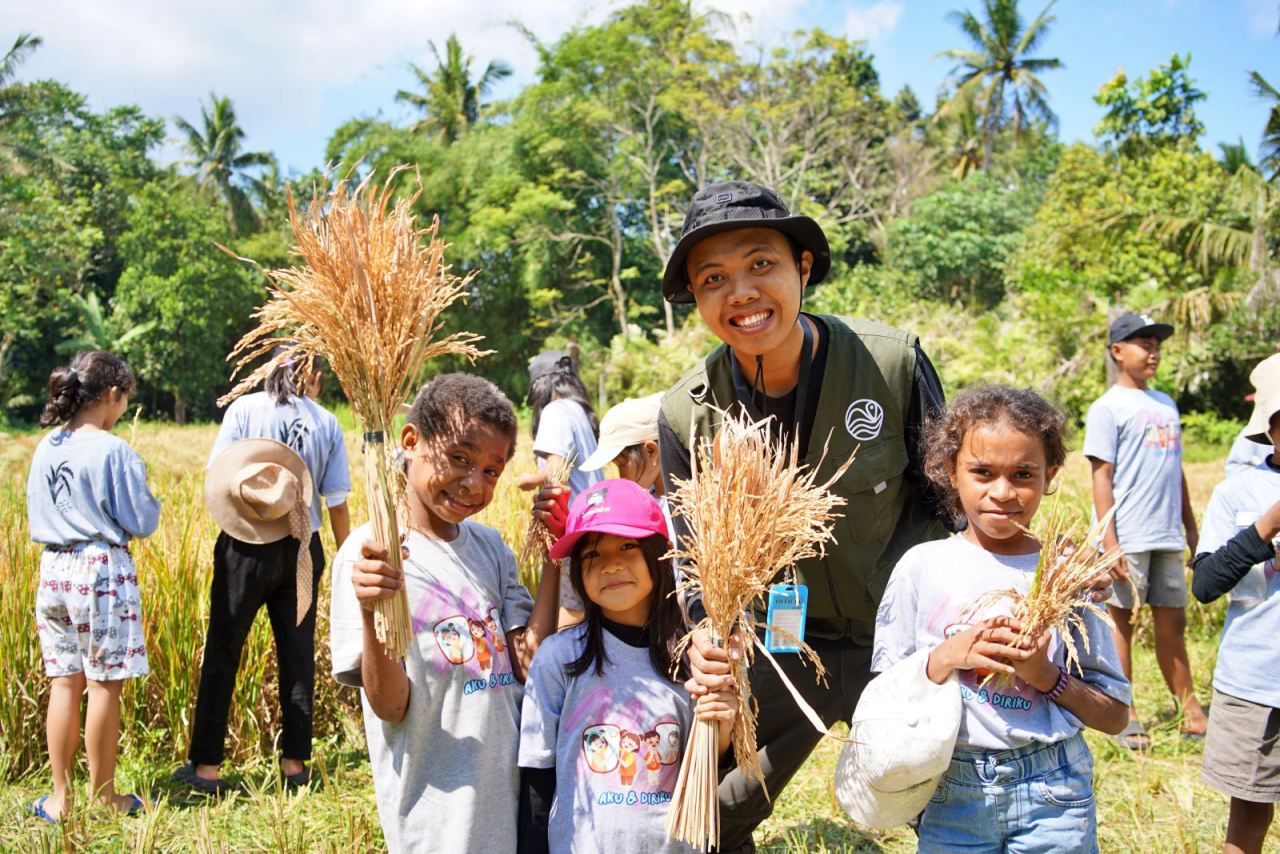
Parents know better than anyone just how incredible children’s curiosity can be. Yet when it comes to history, that curiosity can sometimes fade away because learning about the past feels too complicated or boring.
Through the Little Archaeologists Edutrip, however, history becomes an adventure. Inspired by the Montessori approach, Teman Kecil learn by moving, touching, observing, and completing one mission after another through hands-on experiences.
Archaeology and Paleontology Are Actually Different
Before the adventure begins, there is one mystery to solve first. Many adults still confuse archaeology with paleontology.
People often imagine archaeologists digging up giant dinosaur bones inside caves. In reality, these two fields study very different things.
Archaeology focuses on the remains of past human societies, including their history, culture, and ways of life. Paleontology, on the other hand, focuses on fossils of ancient living organisms, such as dinosaurs, prehistoric animals, and plants that lived millions of years ago.
So when Teman Kecil become little archaeologists, they are not hunting for dinosaur remains. They are tracing clues about how people lived and how cultures developed in the past.
Three Types of Archaeological Finds
Archaeologists generally encounter three types of remains: artifacts, ecofacts, and features. To help complete their mission, Teman Kecil learn to distinguish between them through an interactive visual map, where they match pictures of different objects with the appropriate category.
Artifacts are objects made or modified by humans that can be moved without damaging their original form, such as coins, jewelry, or pottery. Ecofacts are naturally occurring materials that were not made by humans but can still provide clues about life in the past, such as animal bones, seeds, or seashells.
Features are archaeological remains that are attached to the ground and cannot simply be moved, such as the structural remains of a temple.
Why Montessori Makes a Difference
Parents may wonder how a subject as complex as archaeology can be introduced to young children. The answer lies in the Montessori approach, which transforms abstract concepts into real experiences that children can observe and explore directly.
Teman Kecil’s curiosity becomes an important part of the learning process. Simple questions such as “What is this?” or “Why is it shaped like this?” become starting points for discovering new knowledge.
The Adventure in the Field
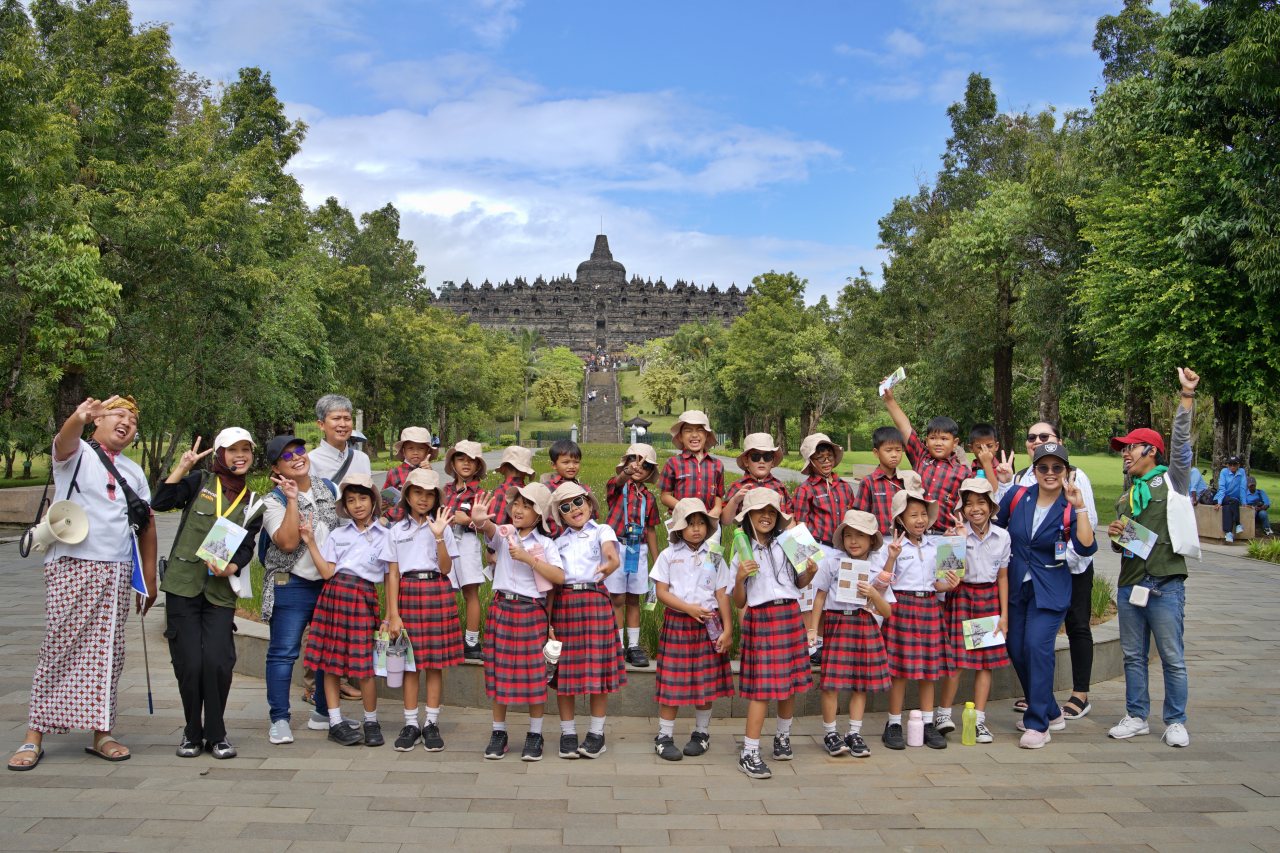
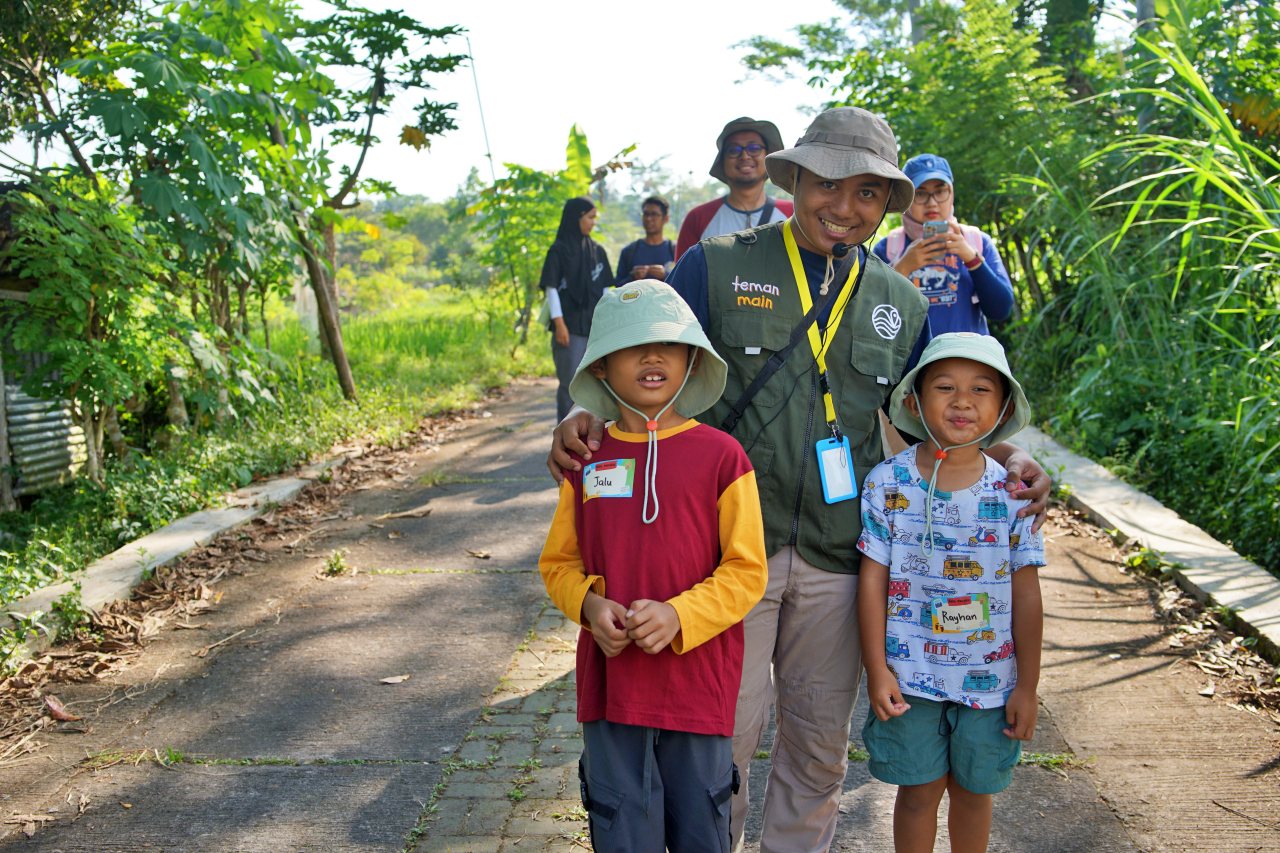
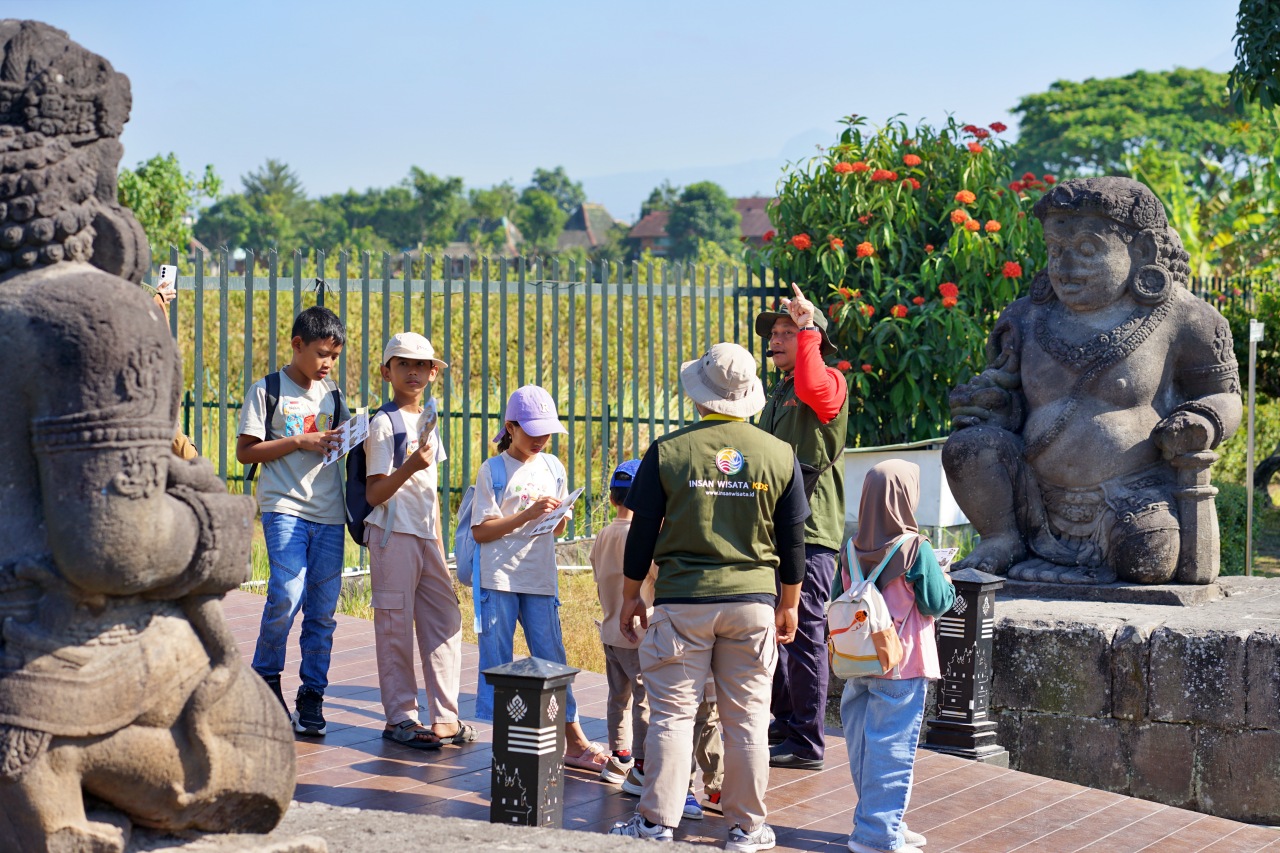
The adventure begins with a mission to find ten objects at temple, accompanied by a local guide and Teman Main. Teman Kecil explore the site and observe inscriptions, stupas, Dwarapala guardian statues, Buddha statues, mandapas, umpak stone bases, makara ornaments, subsidiary temples, jaladwara water outlets, and locking stones.
After exploring the site, it is time to put together a temple puzzle. The scattered pieces must be assembled to recreate a complete picture of the temple, helping children develop observation skills, problem-solving abilities, and visual understanding.
Then comes one of the most exciting parts: an excavation simulation. The excavation is carried out slowly, layer by layer, using small shovels and gloves to ensure that the objects hidden in the soil are handled carefully.
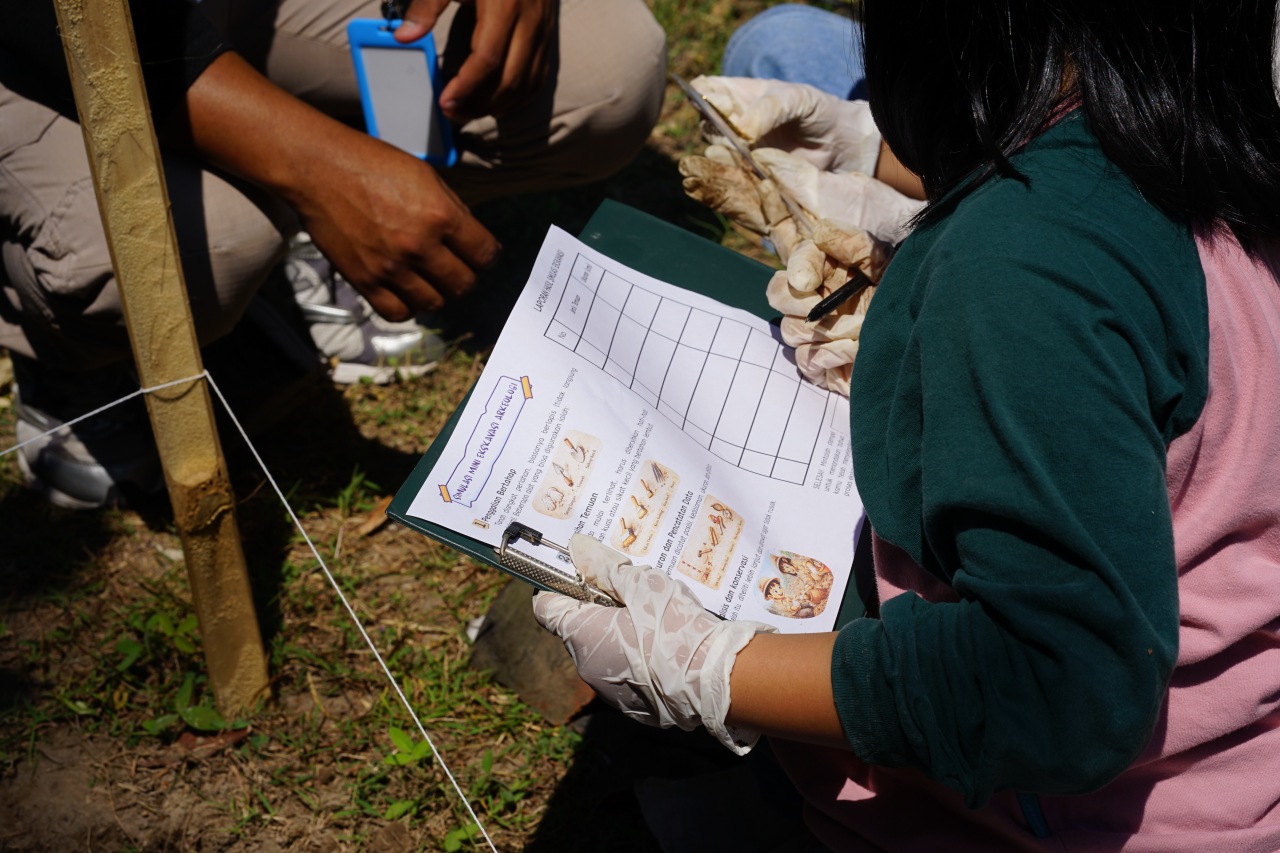
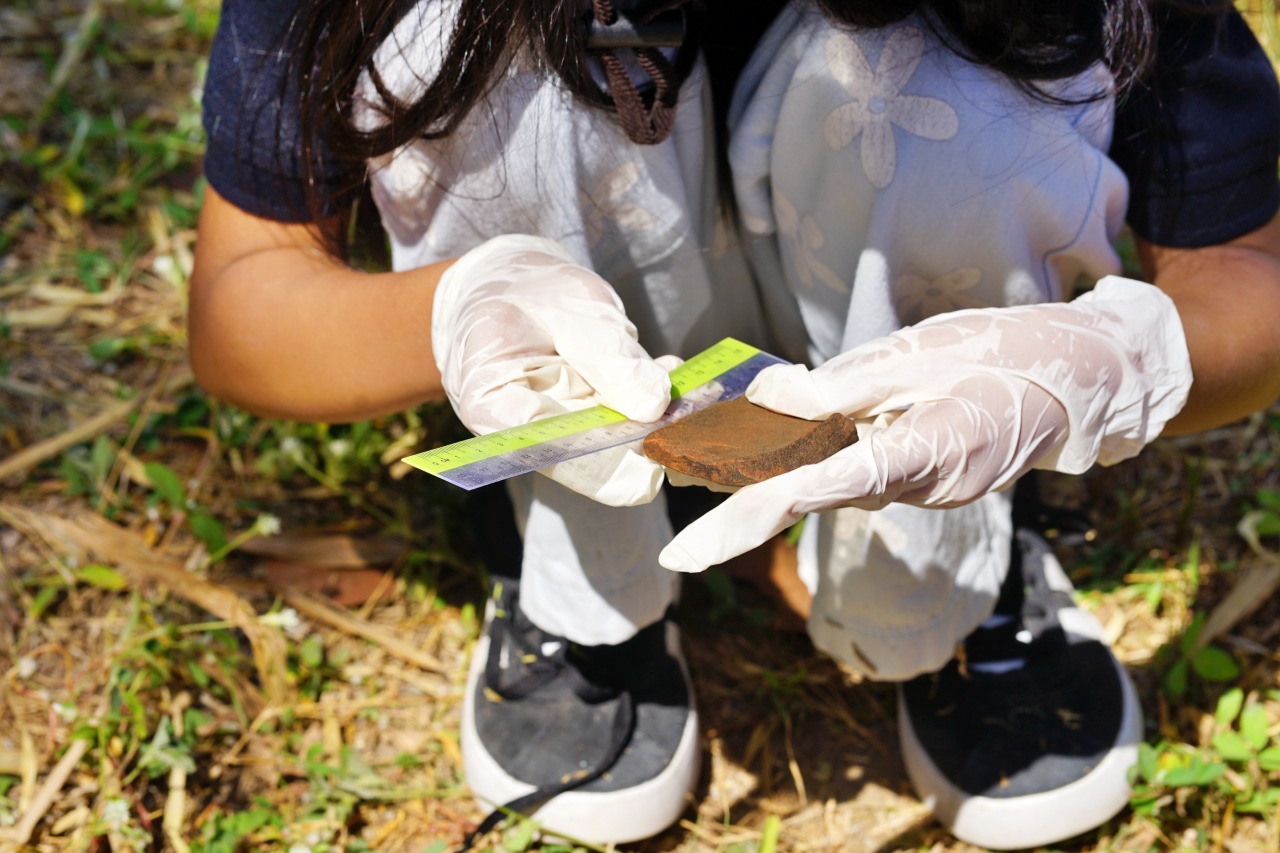
Once a find begins to appear, Teman Kecil carefully remove dust and soil using soft brushes. They then measure and record information about the find before analyzing whether it can be classified as an artifact, ecofact, or feature.
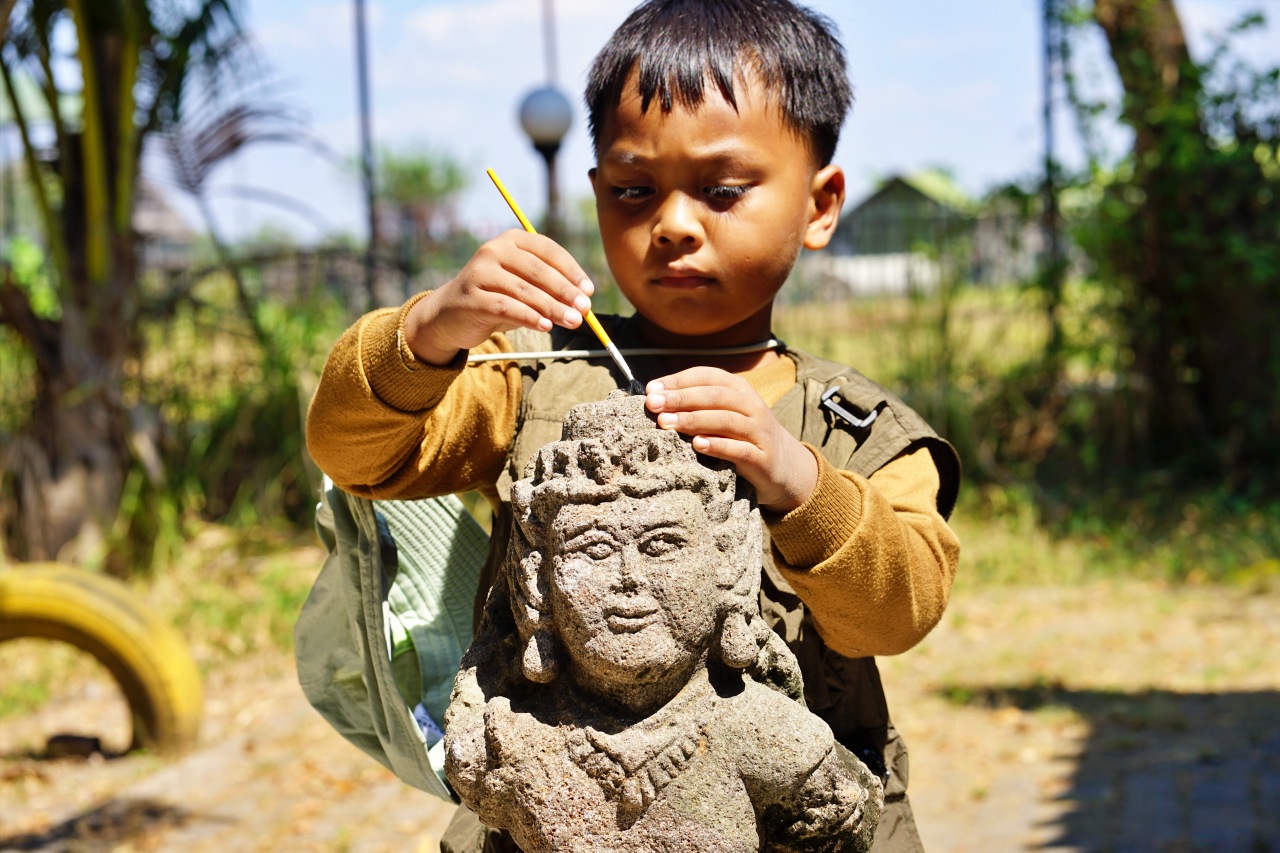
There is also an activity where children carefully clean replica statues and reliefs using brushes. Through this hands-on experience, Teman Kecil learn that working with historical objects requires patience, care, and attention to detail.
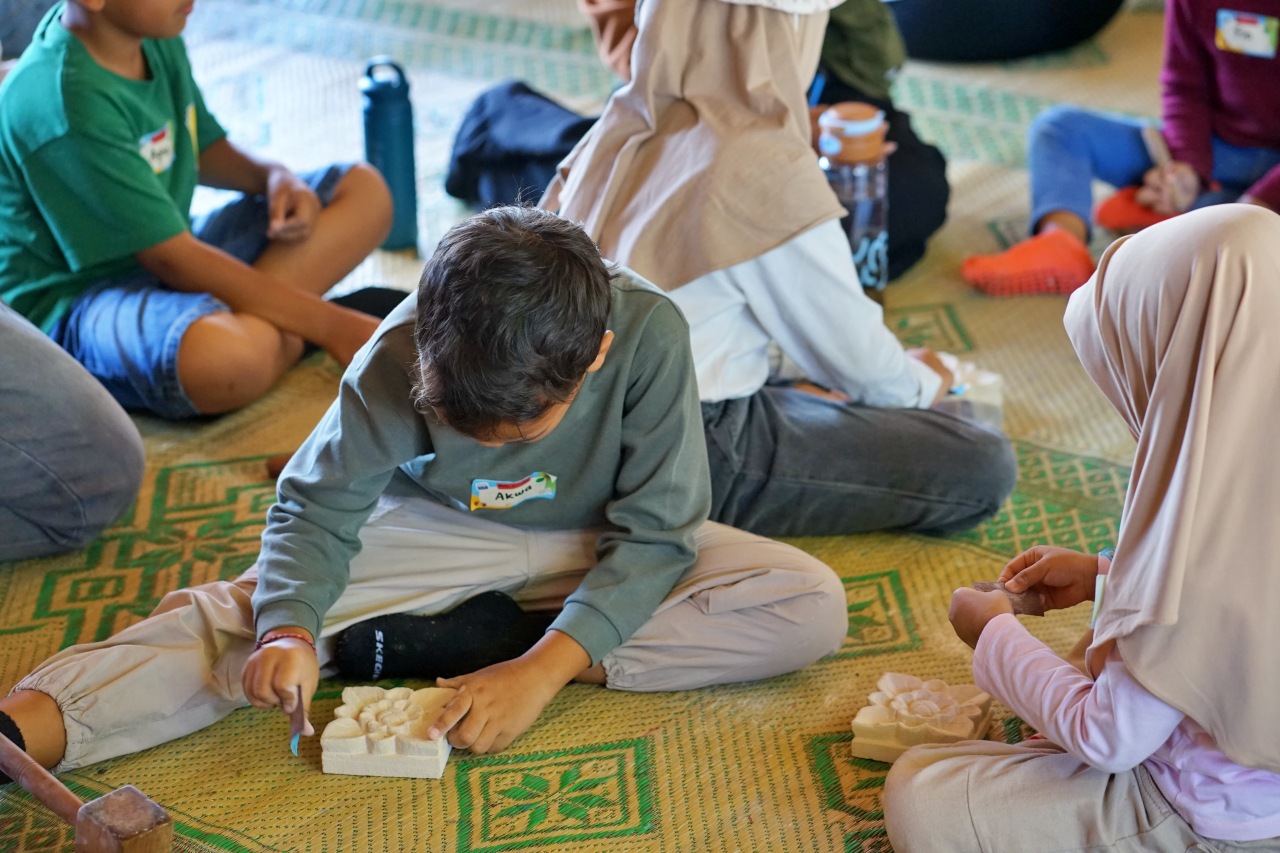
At the end of the adventure, Teman Kecil get to experience what it was like to be a wardhakin, a relief carver from the past. Using a prepared piece of natural stone shaped like a flower, they refine the carving and add details inspired by leaf-bone patterns with the tools provided.
Going Home with Curiosity, Not Just Facts
Learning archaeology with Teman Kecil can be much more exciting than simply memorizing terms. Through hands-on exploration, they discover history while developing attention to detail, creativity, independence, and problem-solving skills.
Because the greatest purpose of an educational journey is not to make children memorize as many facts as possible. It is to send them home with something far more valuable: the curiosity to keep learning.