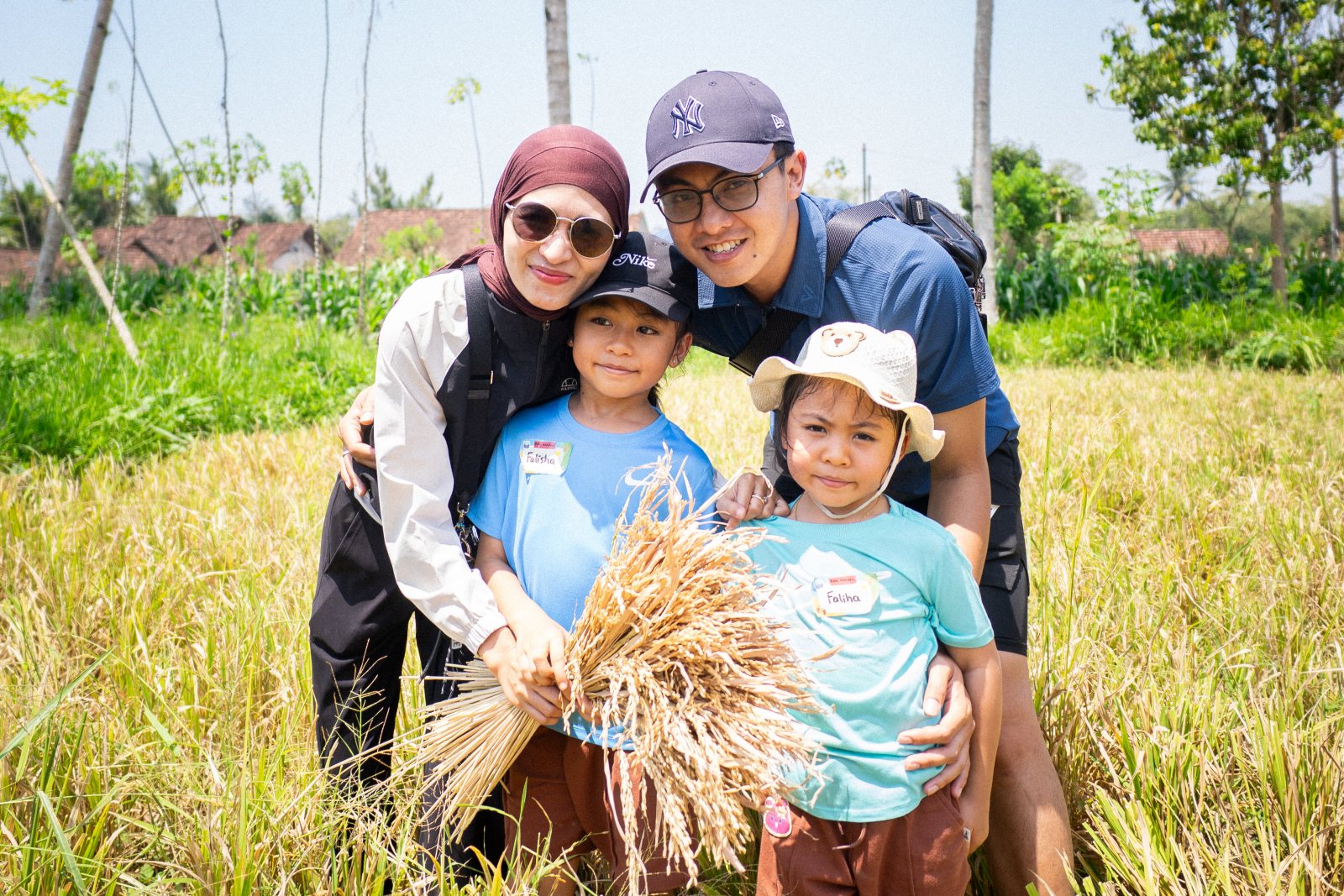
Have you ever returned from a family vacation only to realize that, just a few days later, your little one could barely remember what they saw or did?
Family trips take time, energy, and money. It would be a shame if the journey ended up as nothing more than photos in your phone gallery, without leaving meaningful experiences that shape the way your child thinks and sees the world.
The good news is that travel can become one of the best learning environments for children. When little explorers actively participate, try things themselves, and interact with nature and local communities, they are not just having fun—they are creating memories and gaining knowledge that lasts much longer. This approach is known as experiential learning.
What Is Experiential Learning?
If the term sounds unfamiliar, don’t worry. Simply put, experiential learning is learning by doing. Instead of only listening to explanations, children learn by participating, observing, exploring, and discovering things for themselves.
This approach naturally sparks curiosity. Because children experience each process firsthand, the knowledge they gain is often easier to understand and stays with them much longer than information learned through memorization alone.
How Do Children Learn Through Experience?
The process is actually simple and happens naturally in everyday life. Children try an activity, observe what happens, and gradually understand the relationship between their actions and the results they see. They then apply that understanding to new situations they encounter.
That is why experience is often the best teacher. It helps children develop critical thinking, make decisions, and solve problems through situations they genuinely experience themselves.
Why Does Learning by Doing Last Longer?
Children are naturally curious. They want to touch, ask questions, explore, move around, and sometimes even make mistakes to understand how something works.
When all of these experiences happen together, the brain stores them as long-term memories. That is why real experiences are often remembered much longer than lessons learned only through reading or listening in a classroom.
Learning through experience also builds confidence. Children begin to understand that making mistakes is not something to fear, but simply part of the learning process.
When Travel Becomes a Learning Experience
Can this approach be applied while traveling? Absolutely. Today, more family-friendly trip organizers are designing journeys based on experiential tourism, where learning happens naturally throughout the trip.
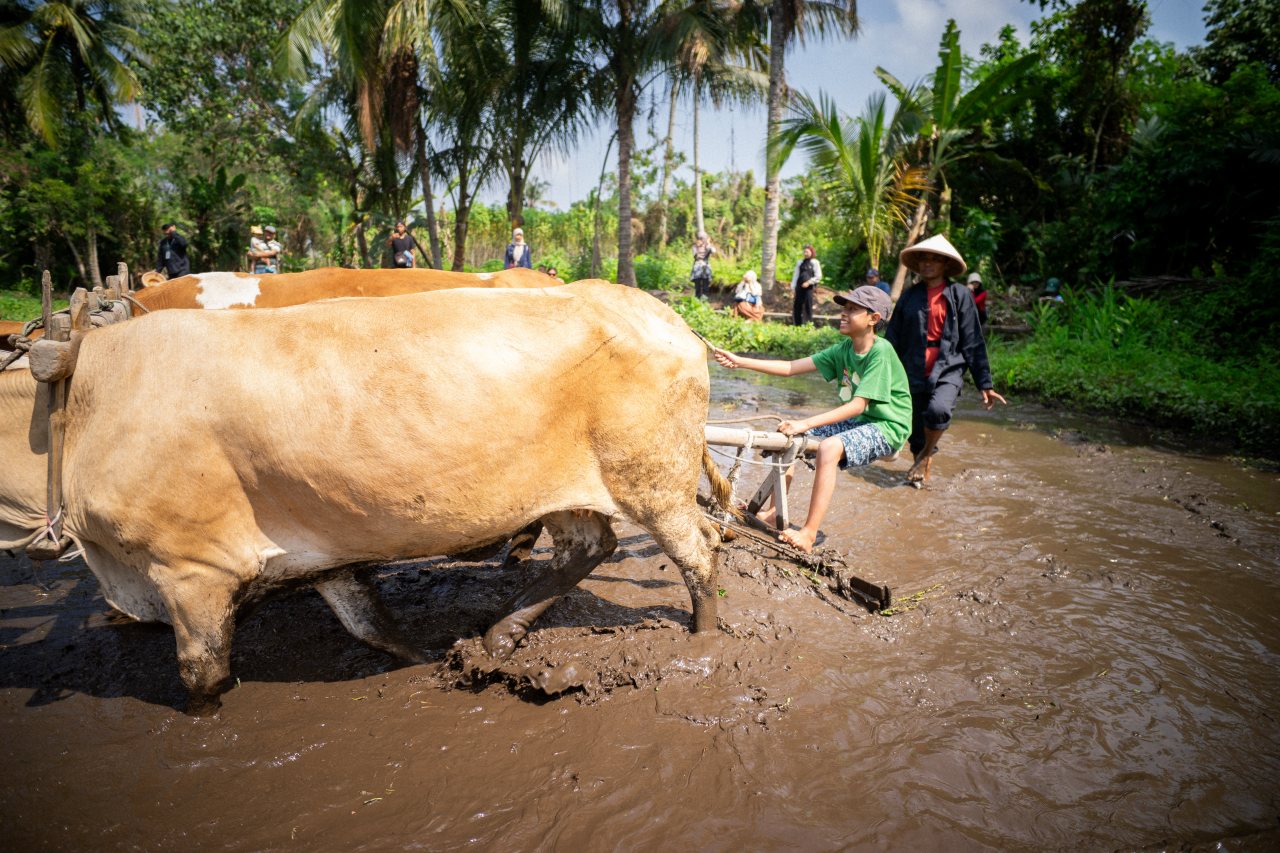
Instead of simply visiting attractions or taking photos, children are encouraged to explore nature, history, local culture, and community life through meaningful, hands-on activities. As a result, every journey becomes more than just a vacation.
More Than Just a Children’s Trip
At Insan Wisata Kids, every program is designed as a family-friendly educational trip that combines play, exploration, and learning. We believe children learn best when they feel safe, happy, and free to ask questions.
That is why every activity is built using modern educational approaches, interactive games, outdoor exploration, and fun recreational experiences. Parents are actively involved throughout the journey, turning every trip into a shared learning experience for the whole family.
As a family-friendly trip organizer, we do more than take families to beautiful destinations. We design experiences that help children connect with nature, appreciate local culture, and develop empathy for the people around them.
Learning While Caring for Nature and Culture
Every journey also reflects our commitment to sustainable tourism. This means that each trip is designed not only to create meaningful experiences for families but also to benefit nature, preserve local culture, and support the communities that welcome us.
Children learn that being a traveler is about more than enjoying a destination. They discover how to respect cultural heritage, care for the environment, and contribute to local communities through responsible travel.
Little Archaeologist Adventure at Plaosan Temple
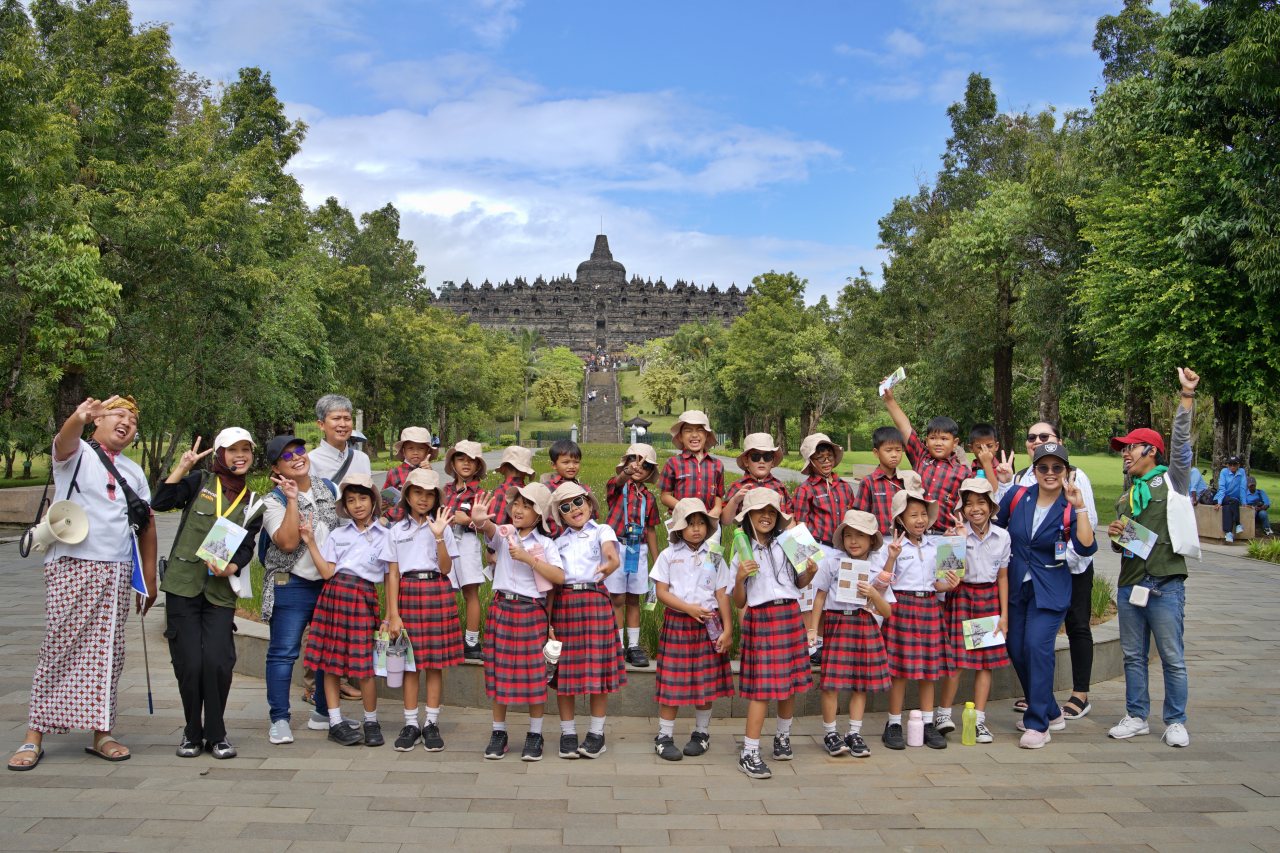
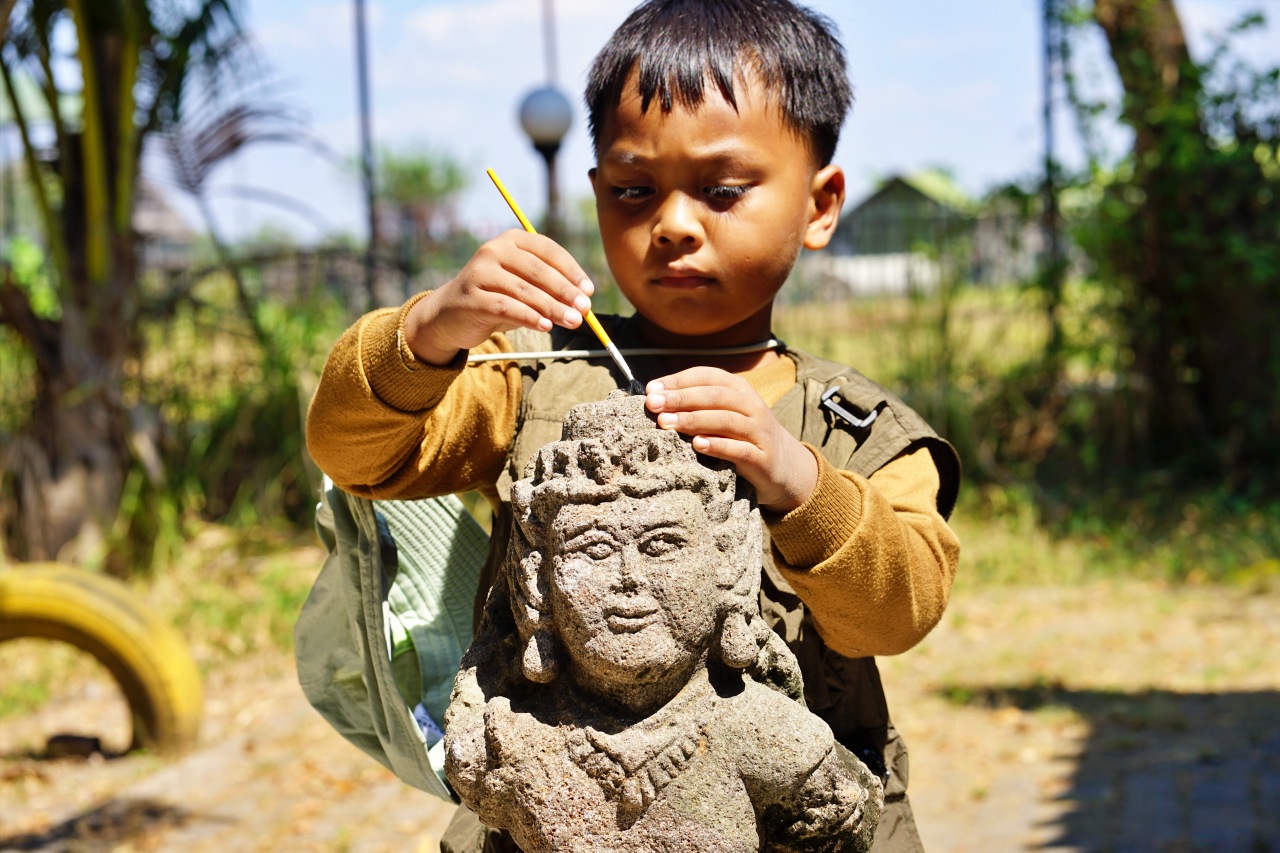
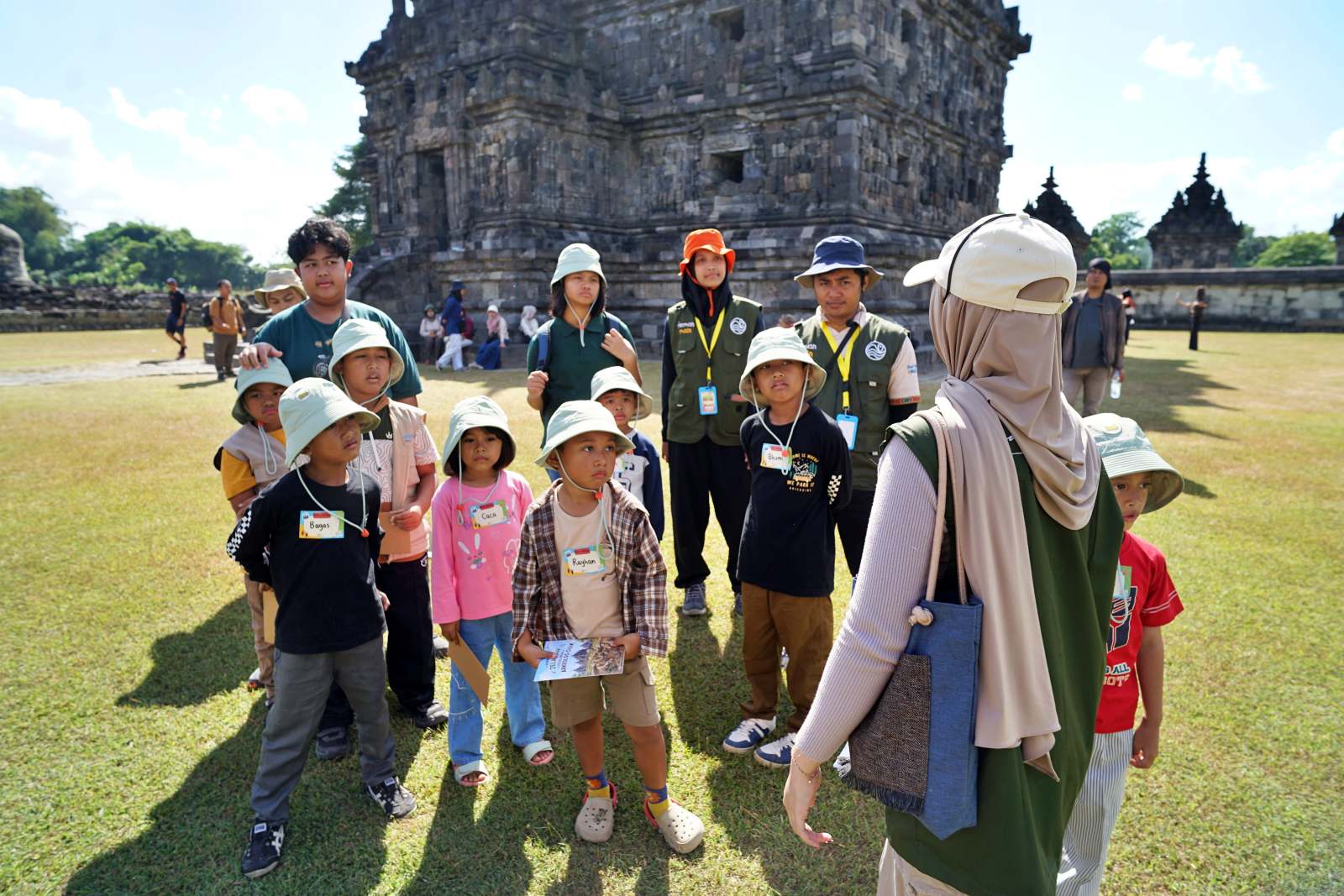
One of the best examples of experiential learning is our Little Archaeologist Adventure. Instead of simply walking around Plaosan Temple, children witness the restoration process and learn why cultural heritage sites deserve protection and preservation.
Parents and children also discover how to respect sacred places. They learn why temple reliefs, statues, and stupas should never be touched, climbed on, or damaged, helping them develop respect for cultural heritage through experience rather than rules alone.
The adventure continues as children become archaeologists for the day. Using small shovels, brushes, rulers, and magnifying glasses, they excavate a simulated dig site to uncover “treasures” such as pottery fragments, traditional jars, and gold coins prepared as educational materials.
The excitement of discovering their first artifact is always unforgettable. History, which often feels distant in textbooks, suddenly becomes a fun and memorable adventure.
Exploring the Village by Boping
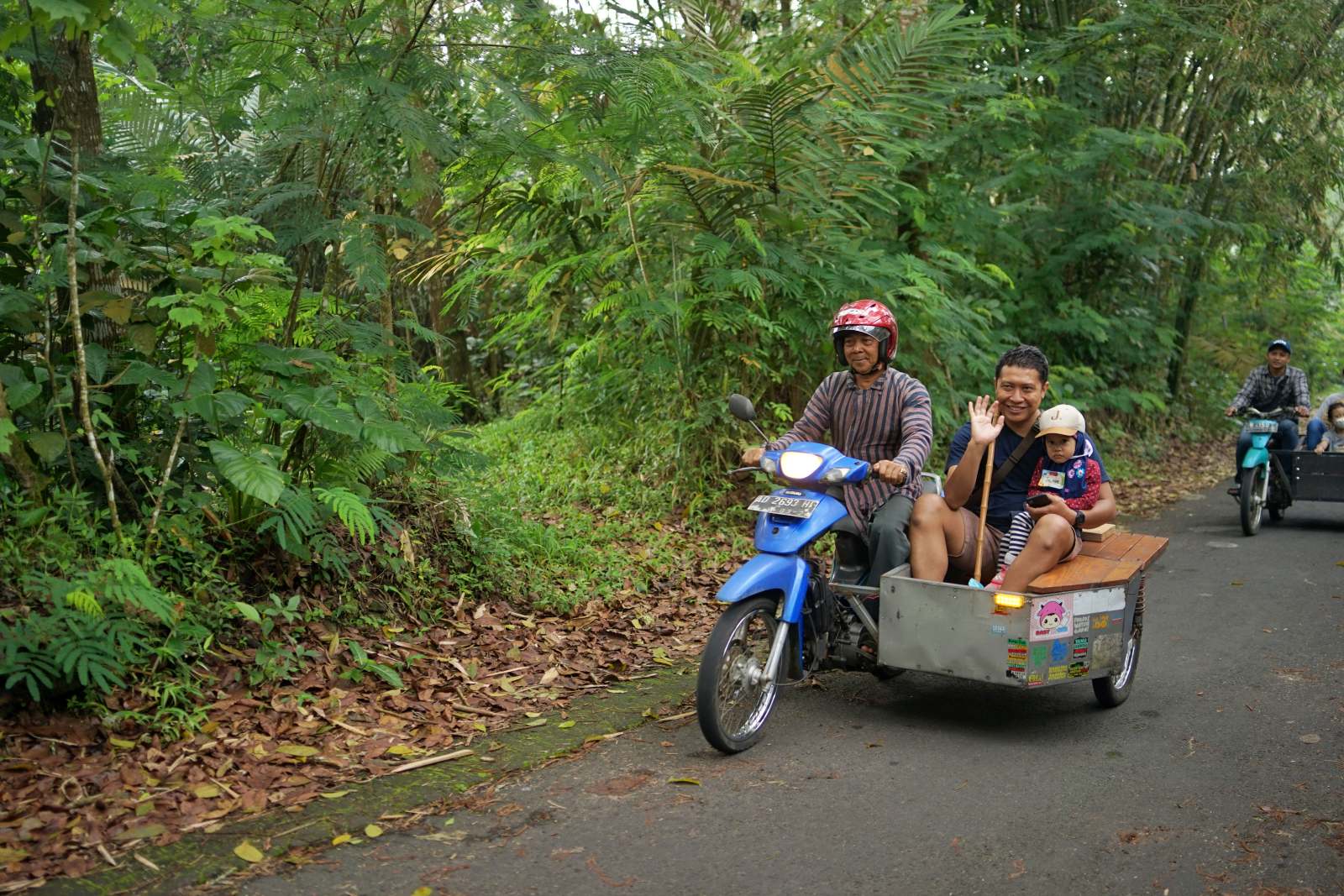
The next adventure begins aboard a boping, a unique local motorcycle with a side carriage traditionally used by villagers to transport livestock feed. For children, it is an exciting new experience, while for local residents it creates additional income through community-based tourism.
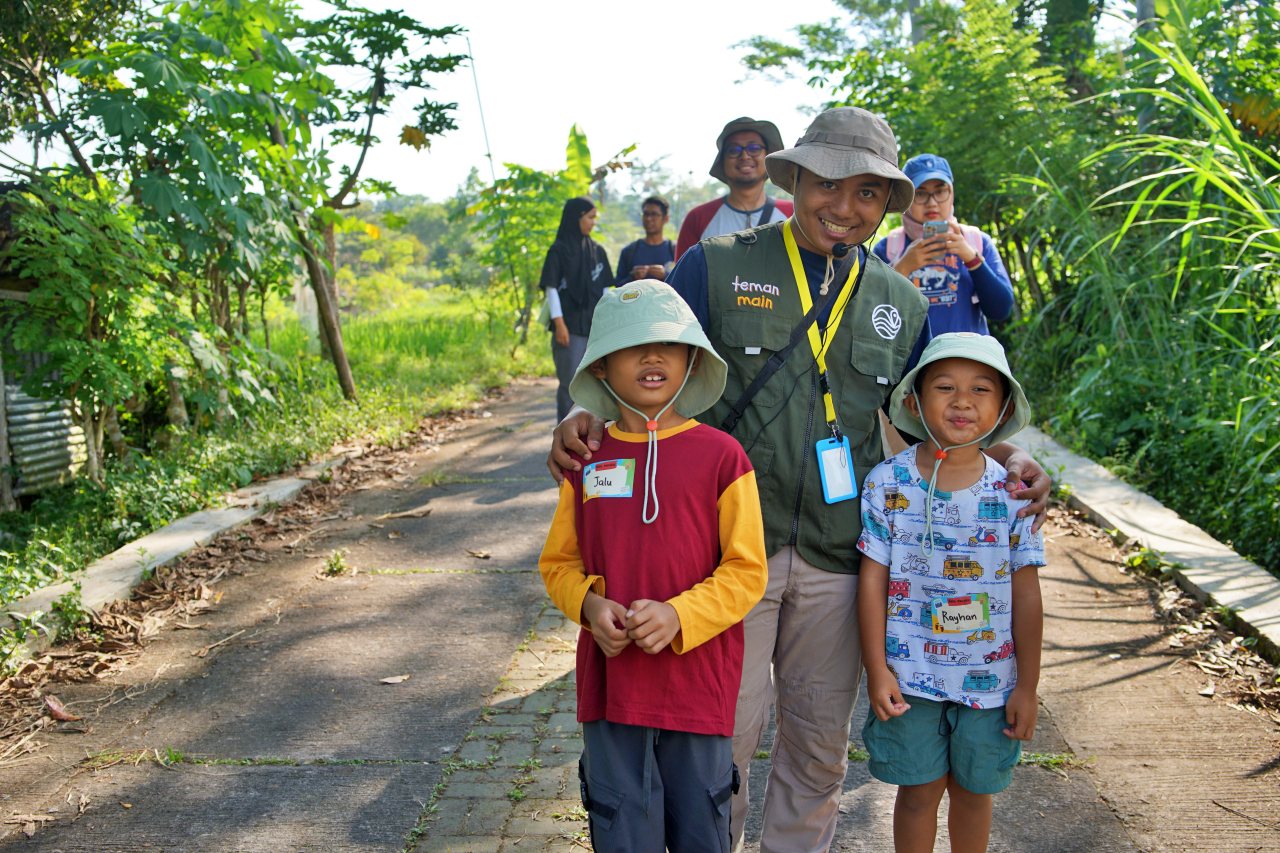
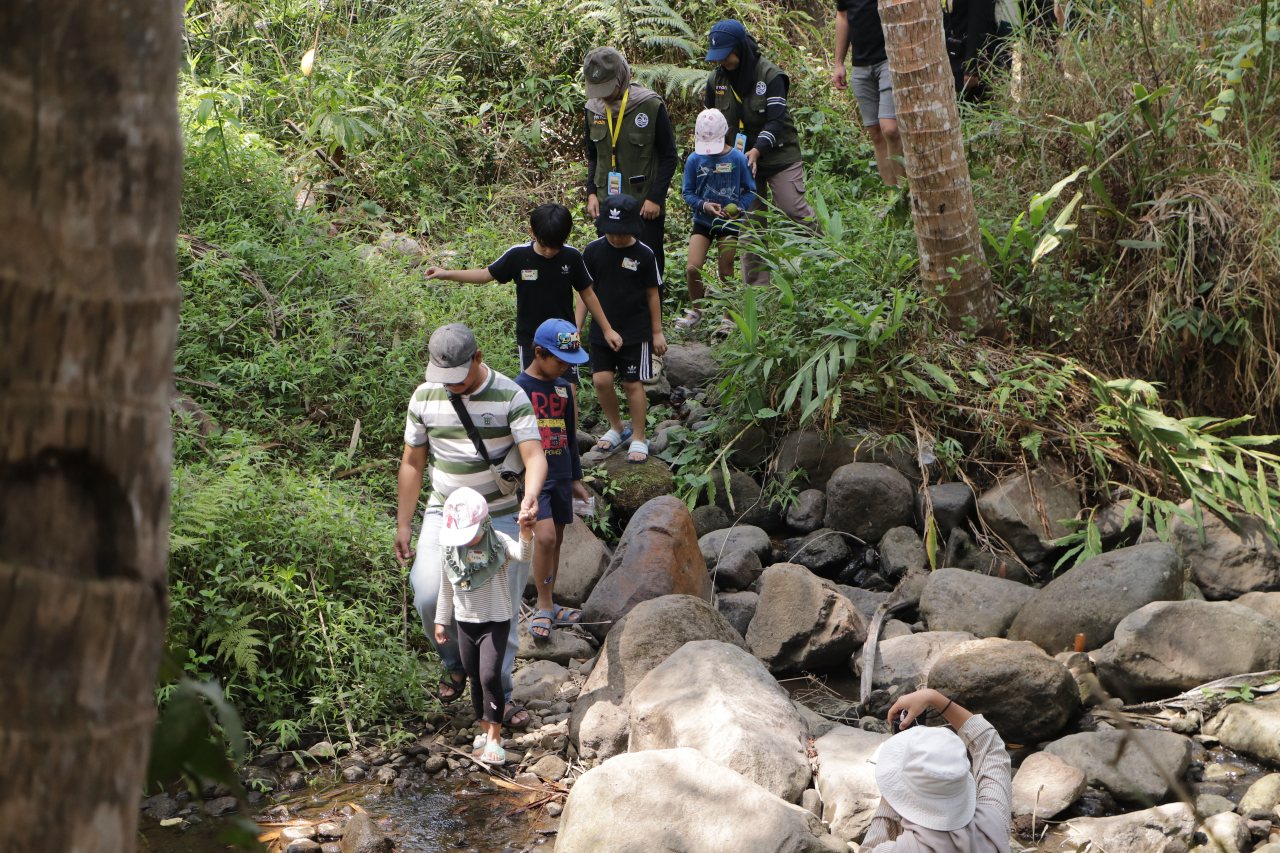
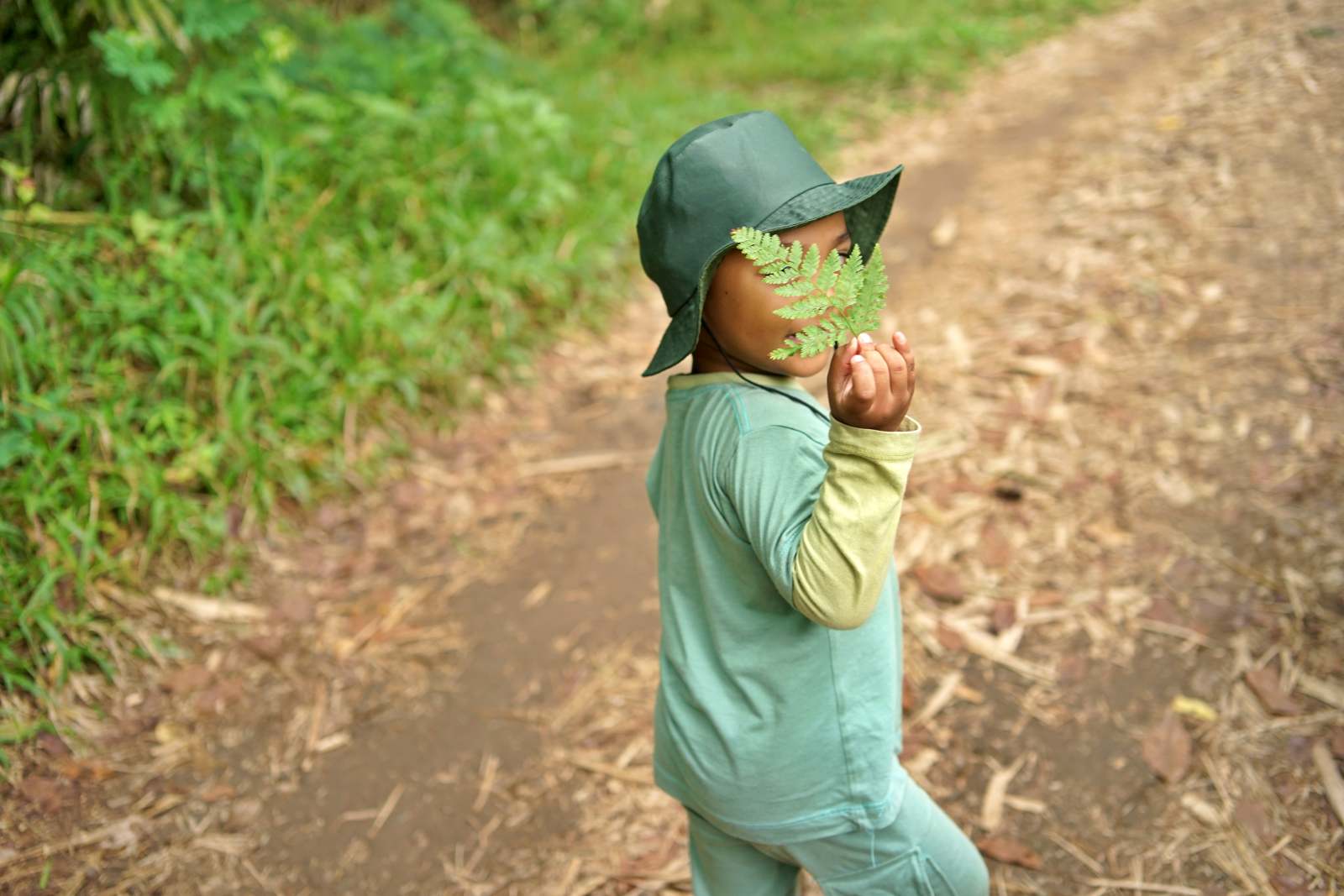
The journey continues with a guided walk through a pine forest alongside local guides, facilitators, and parents. Along the way, children observe different plants, recognize leaf shapes, enjoy the scent of the forest, and notice small details they might otherwise overlook.
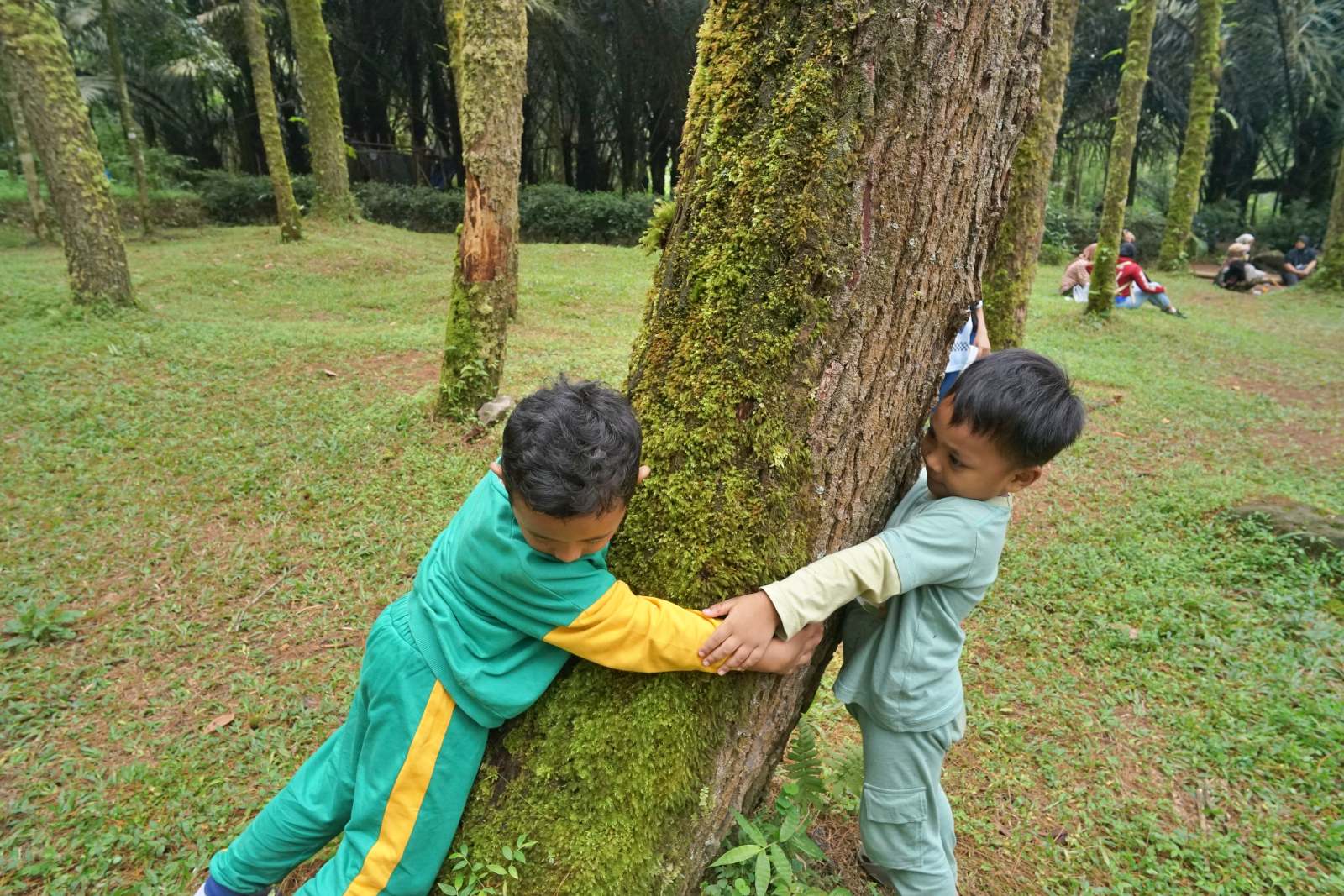
They also complete simple missions, such as hugging a pine tree to express gratitude for clean air, observing moss growing on tree trunks, and comparing different pine cones. Without realizing it, they are learning about ecosystems, biodiversity, teamwork, and environmental stewardship.
That is why every program at Insan Wisata Kids is designed as a complete learning experience. It is more than just a children’s trip—it is a journey that inspires curiosity, strengthens family connections, and nurtures respect for nature, culture, and local communities.
For us, that is the true meaning of an educational family trip. A meaningful journey creates more than beautiful memories; it leaves a positive impact on children, families, destinations, and the communities that make each experience possible.
Written by: Siti Latifatuzzahroh