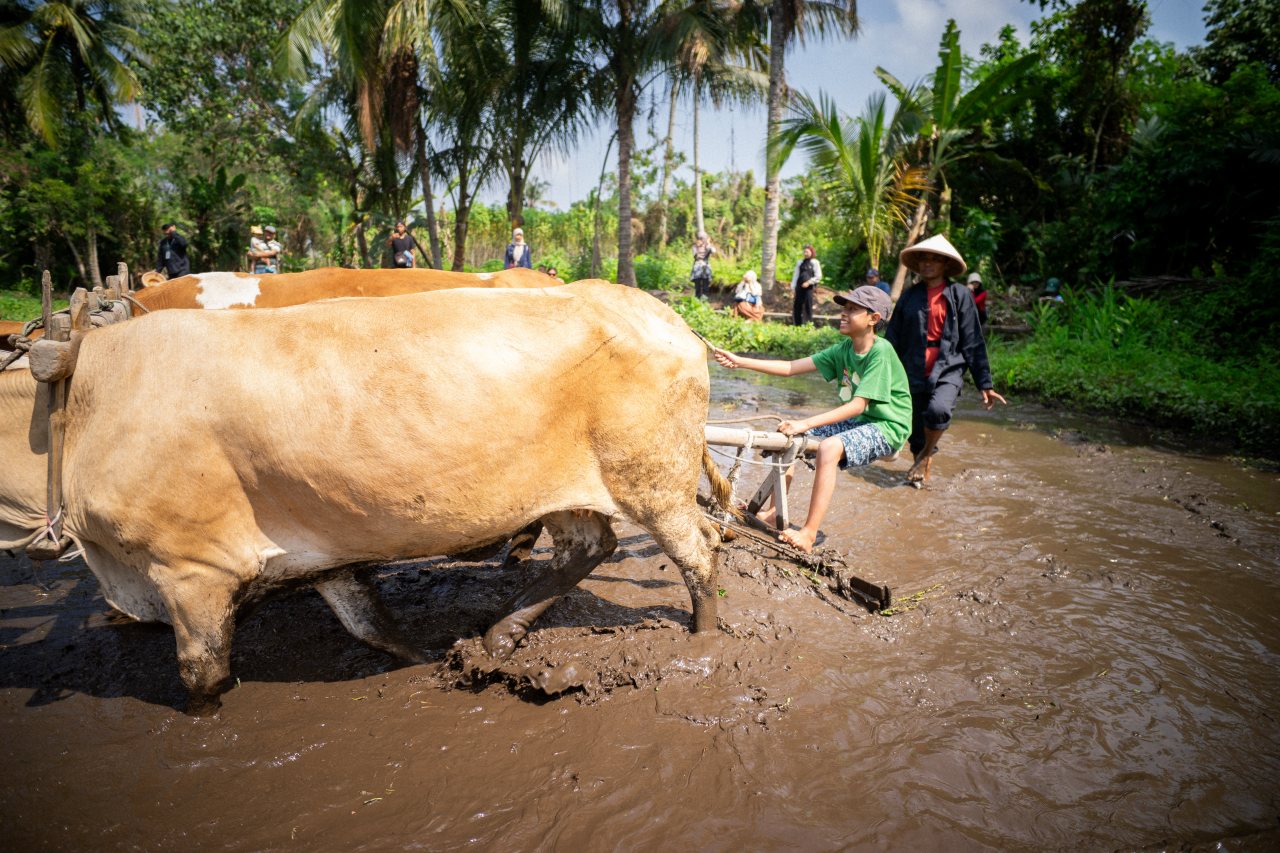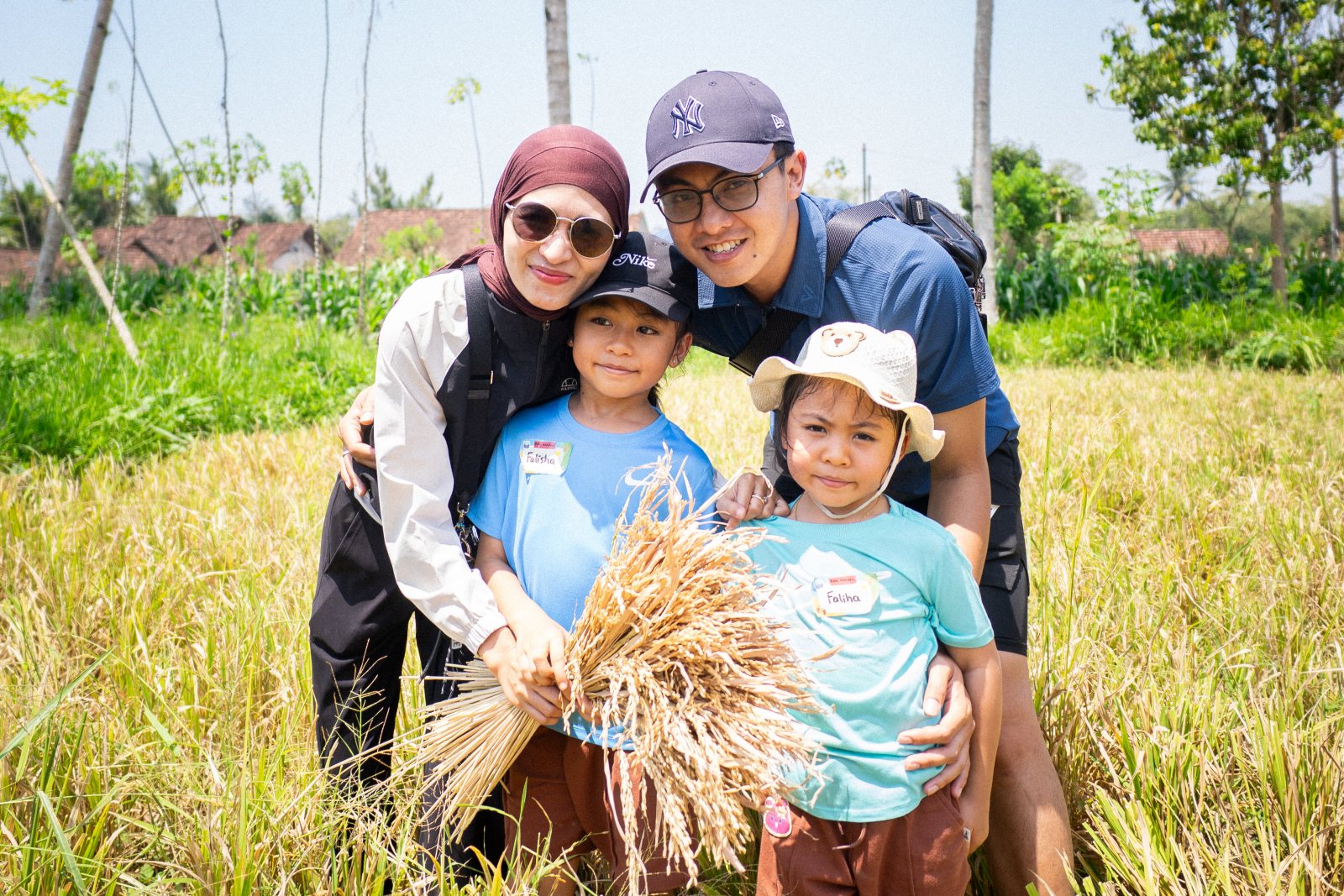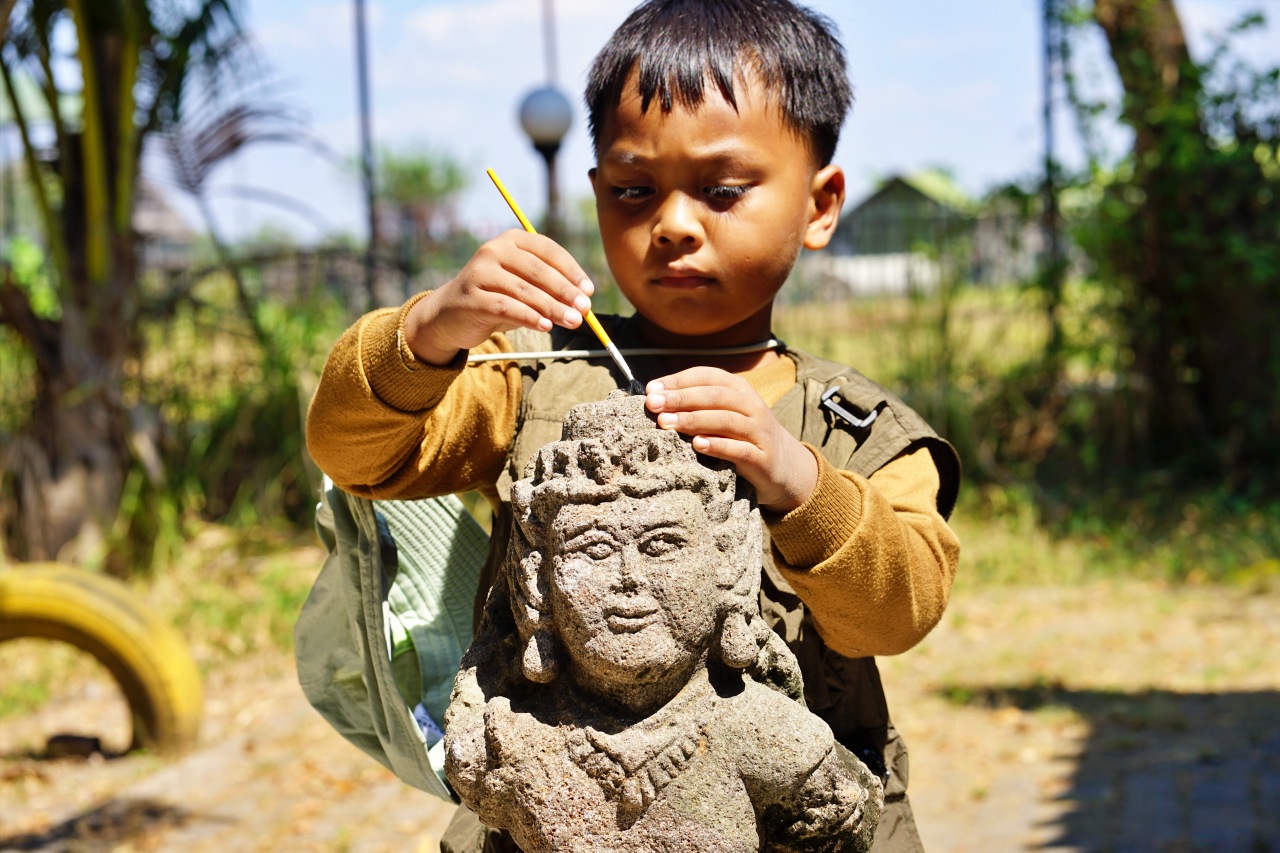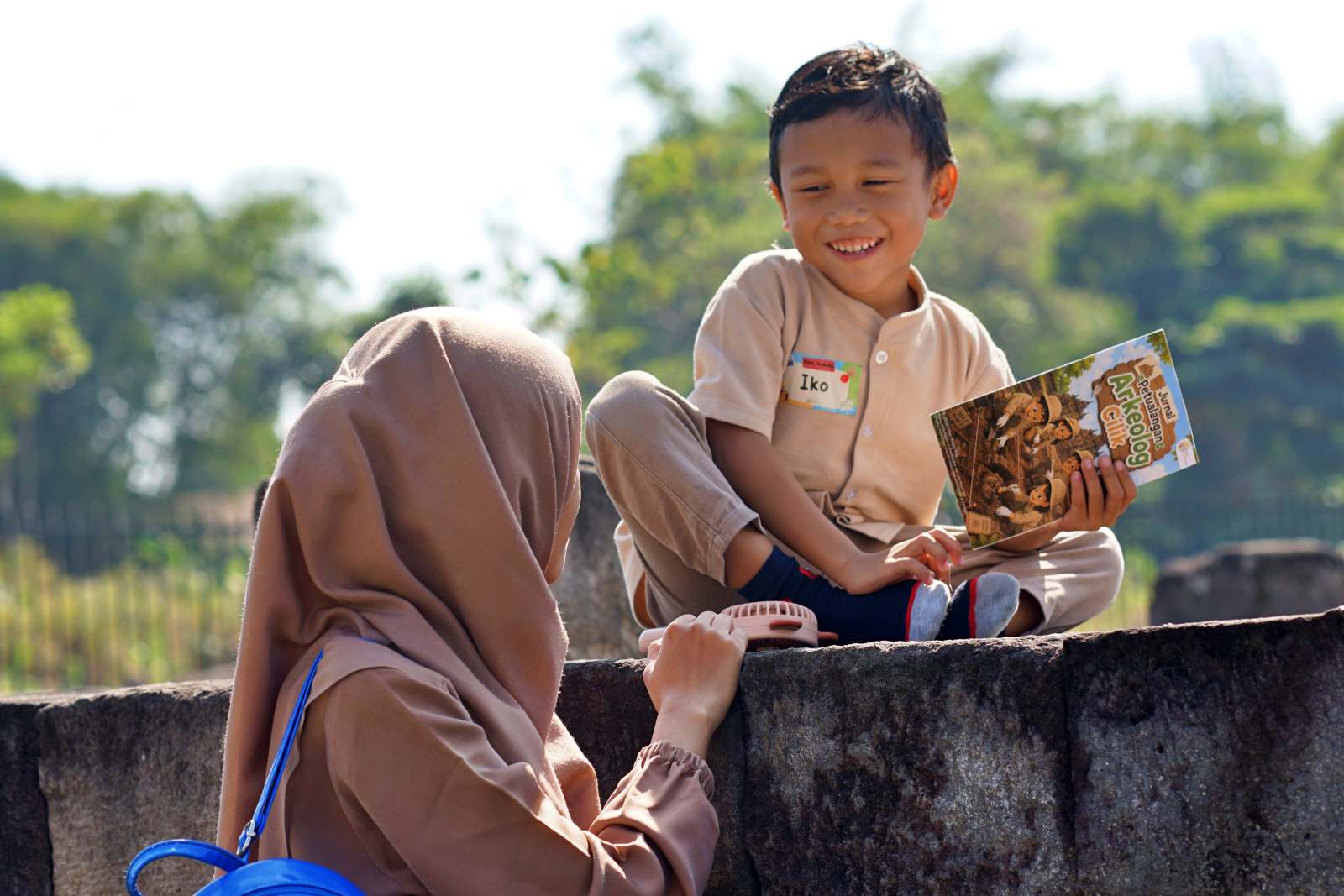
Imagine the look on your child’s face when they step into muddy rice fields for the first time, or when they help a farmer plow the field while laughing freely. Moments like these rarely happen in front of a gadget screen or at a study desk, yet it is often in these small moments that a child’s brain is working at its best.
All too often, vacations are seen simply as a reward after a long school week, rather than as part of a child’s learning process. But when we look deeper, travel can offer far more opportunities for growth than simply taking a break from routine. So, let’s explore why spending time outside the home can become one of the best investments in your child’s future.
Why Does Learning Through Direct Experience Stay with Children Longer?
Children’s brains are designed to understand the world through their senses, not through long explanations delivered while sitting still. When they smell wet soil, feel the texture of tree bark, or hear the sound of flowing water, the experience is often remembered much more strongly than information they simply read.
New situations encountered during a trip encourage children to actively observe rather than passively receive information. Curiosity naturally grows, and it is through this curiosity that meaningful learning begins.
Small Adventures Help Children Develop Physically
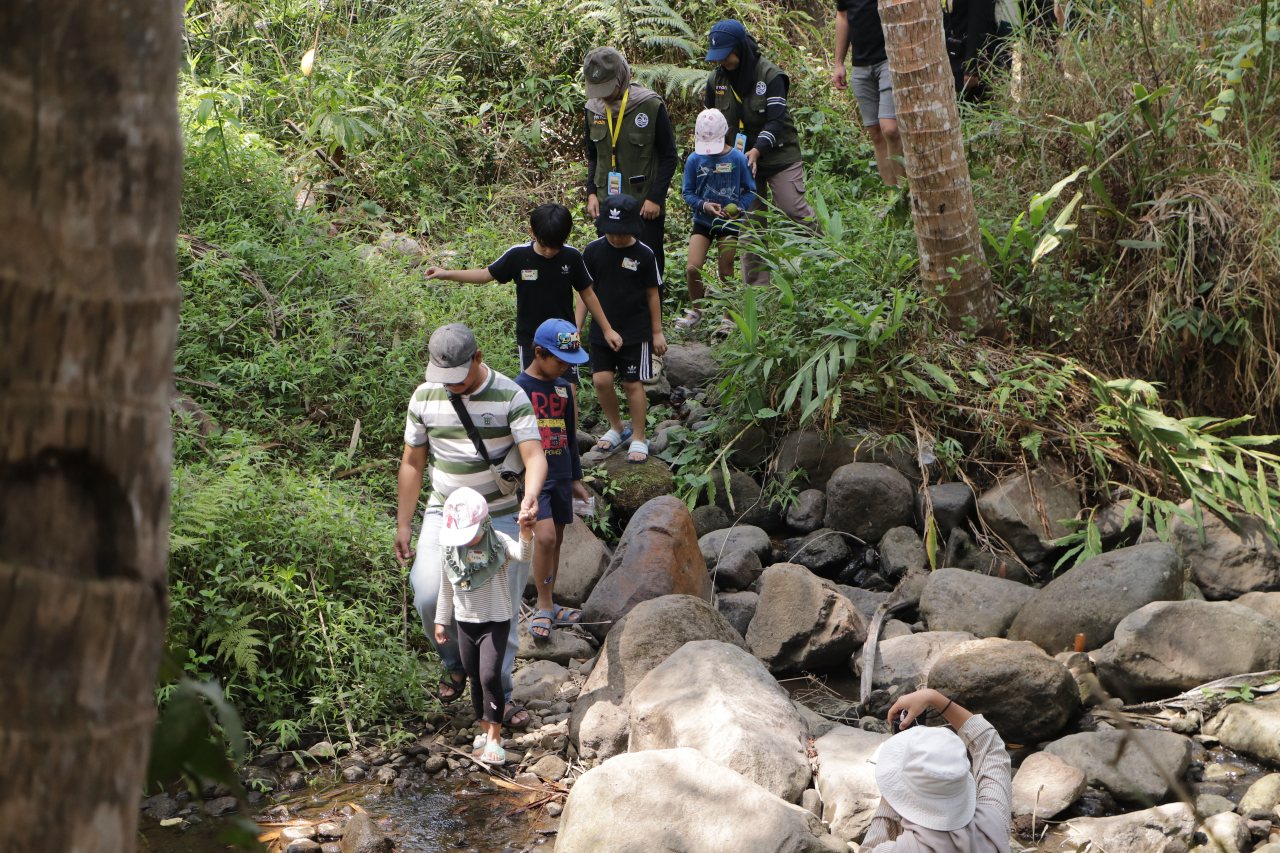
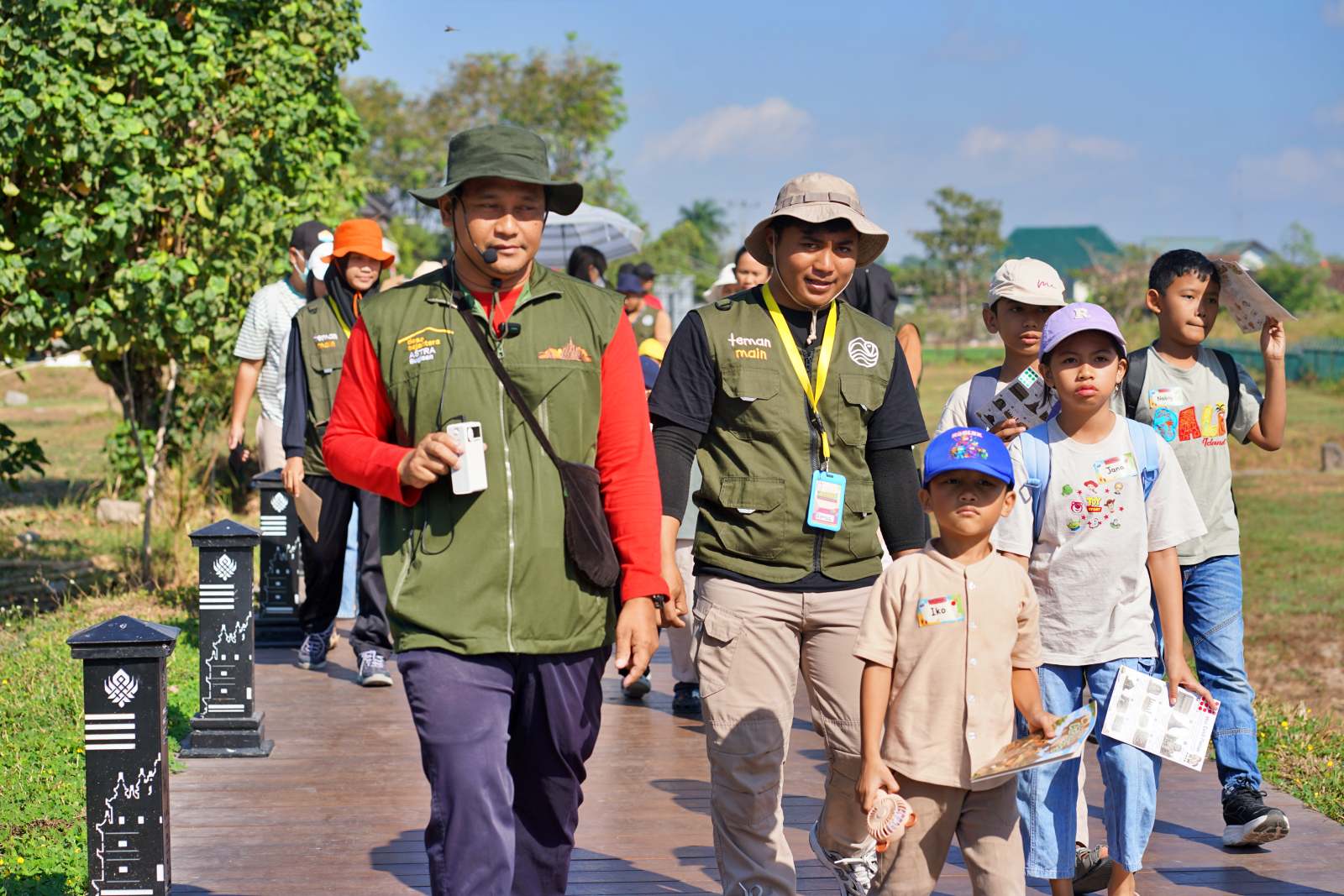
Walking along rocky paths, jumping over small ditches, or running across open fields gives children opportunities for physical activity that can be difficult to find at home. Without even realizing it, they are developing their gross motor skills, improving balance, and strengthening hand-eye coordination through movements that simply feel like play.
And the benefits do not stop there. Children who get enough physical activity tend to sleep better and have a healthier appetite.
Every Little Question Is the Beginning of Critical Thinking
Unfamiliar surroundings naturally spark curiosity. “Why are the leaves shaped differently?” “Why is the water so clear?” “Why are the houses here different from ours?” Simple questions like these are actually the starting point for critical thinking.
When children look for answers through observation and experience, they are learning to connect cause and effect. This way of thinking can be far more valuable for their future than simply memorizing facts from a textbook.
A Small Space to Learn How to Make Decisions
At home, many decisions are already made by parents. But when traveling, children encounter small choices of their own: which path to take, how to carry their own bag, or how to deal with an unexpected situation along the way.
These seemingly simple experiences help build confidence and independence. Children learn that every choice has consequences—a life lesson that can be difficult to teach through advice alone.
Seeing a Bigger World Helps Children Develop Empathy
Travel introduces children to new faces, from other children and local guides to people living in the destinations they visit. Through these interactions, children practice communicating, working together, and understanding other people’s perspectives.
Seeing ways of life that are different from their own can also help children develop empathy. They begin to understand that the world is much bigger than their home and school, helping nurture tolerance from an early age.
Family Bonds Grow Stronger Along the Way
In the middle of busy daily routines, quality family time can be hard to find. Traveling creates space for it—through laughing together after taking a wrong turn, helping each other overcome small challenges, or simply having relaxed conversations along the way.
The emotional connection built during childhood can have an important influence on a child’s sense of security and confidence as they grow. Simple moments during a trip can become memories that stay with them for years.
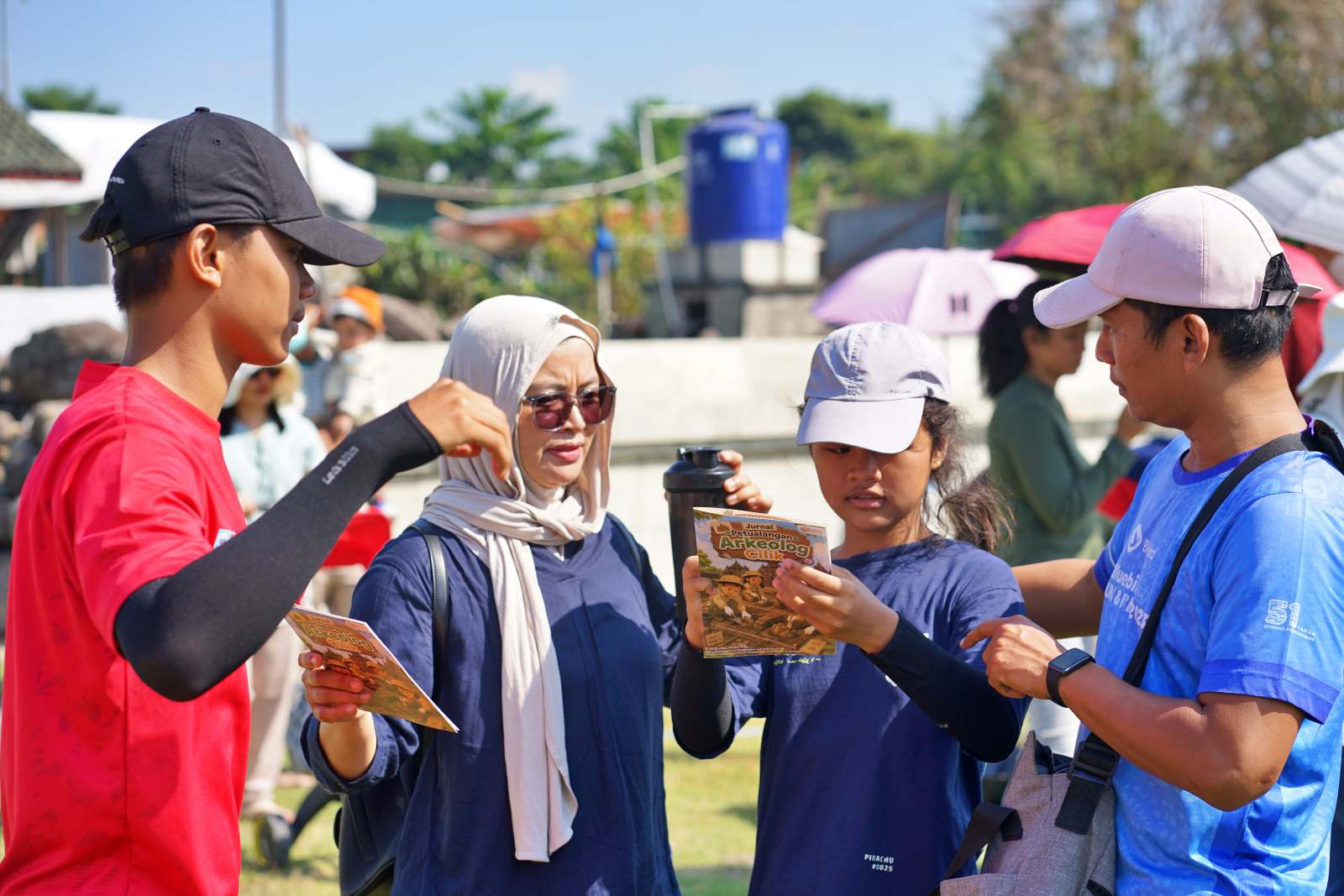
This Is What It Looks Like with Insan Wisata Kids
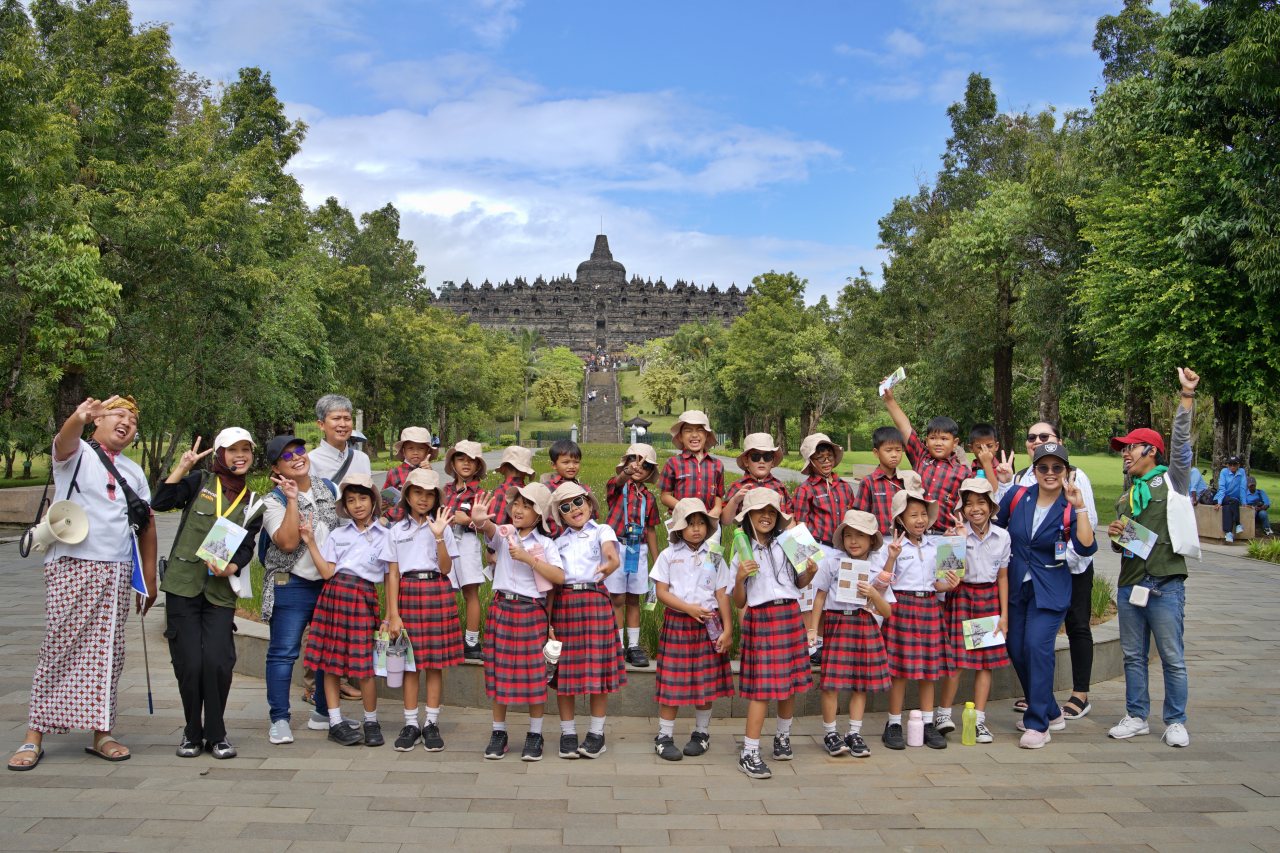
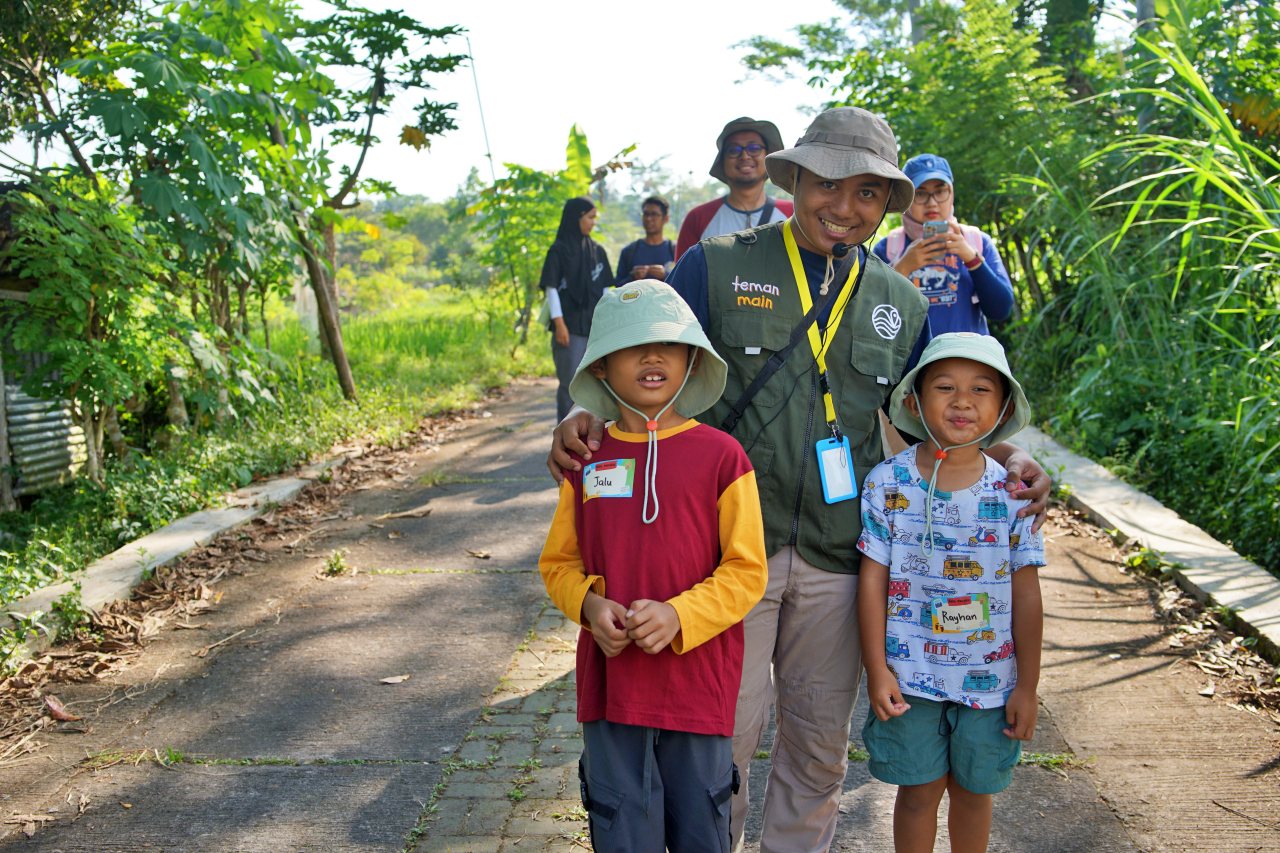
On every family journey, Insan Wisata Kids acts as a Teman Main, accompanying Teman Kecil as they learn directly from nature, culture, and local communities. Every program is designed to make learning feel light and enjoyable, more like play than an additional task.
The principle of exploration as education guides every program. Teman Kecil are not simply taken around to see different places. They are actively involved through missions and challenges that encourage independence and critical thinking, with support from their families and local guides every step of the way.
Every journey also follows the principles of regenerative tourism. It is not only about preventing damage to nature, but also about contributing to environmental restoration and empowering local communities in our partner destinations.