Parents, Let’s Be Honest…How long can your child actually sit still and pay attention before becoming restless? Five minutes? Ten?
The truth is, that’s perfectly normal. A child’s attention span typically ranges from just 6 to 24 minutes. After that, their mind naturally begins to wander. It’s not because they’re being difficult or don’t want to learn. A child’s brain simply isn’t designed to sit still for hours.
The good news? There’s a way of learning that aligns with how children naturally learn: learning directly from nature.
Why Learning in Nature Stays with Children Longer
Learning doesn’t always have to happen inside a classroom. Out in the real world, children gain experiences that stay with them far longer than simply memorizing information.
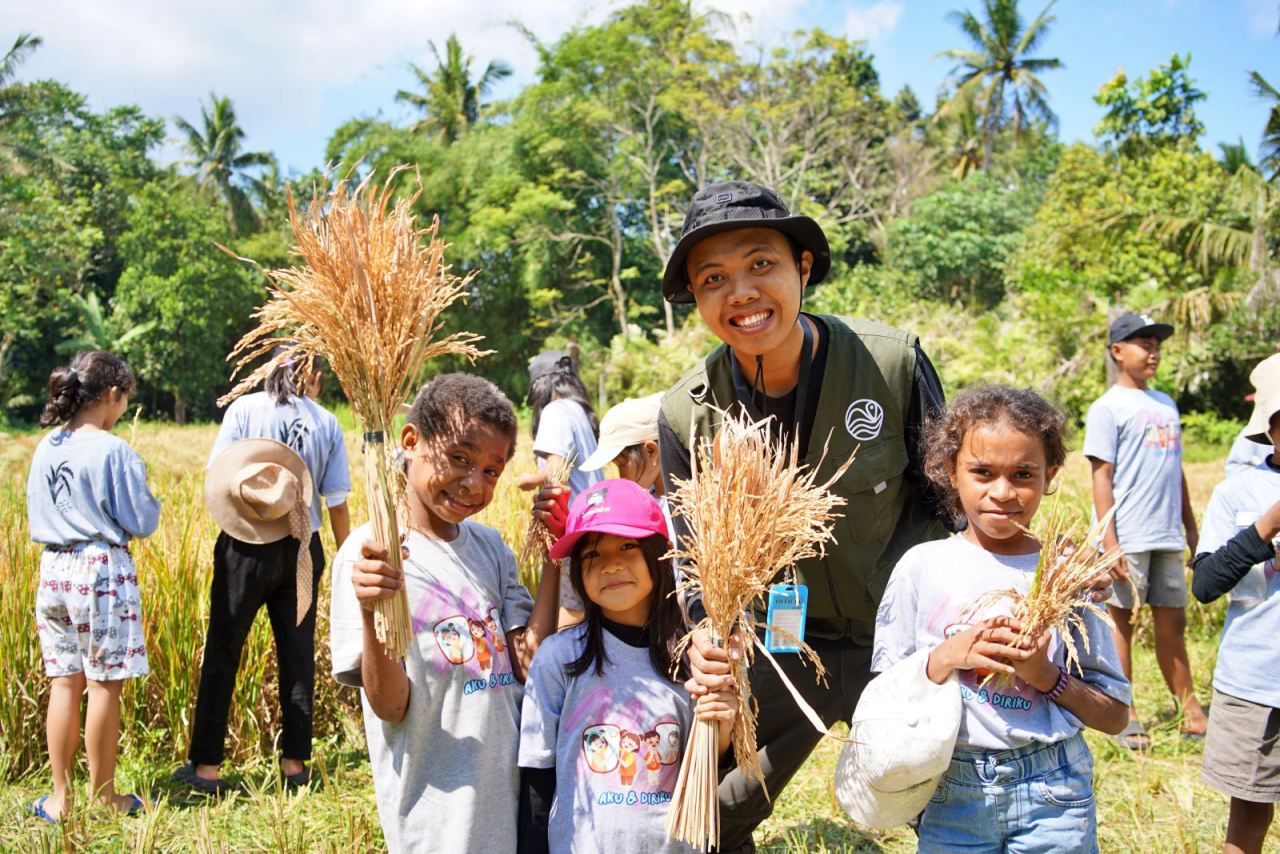
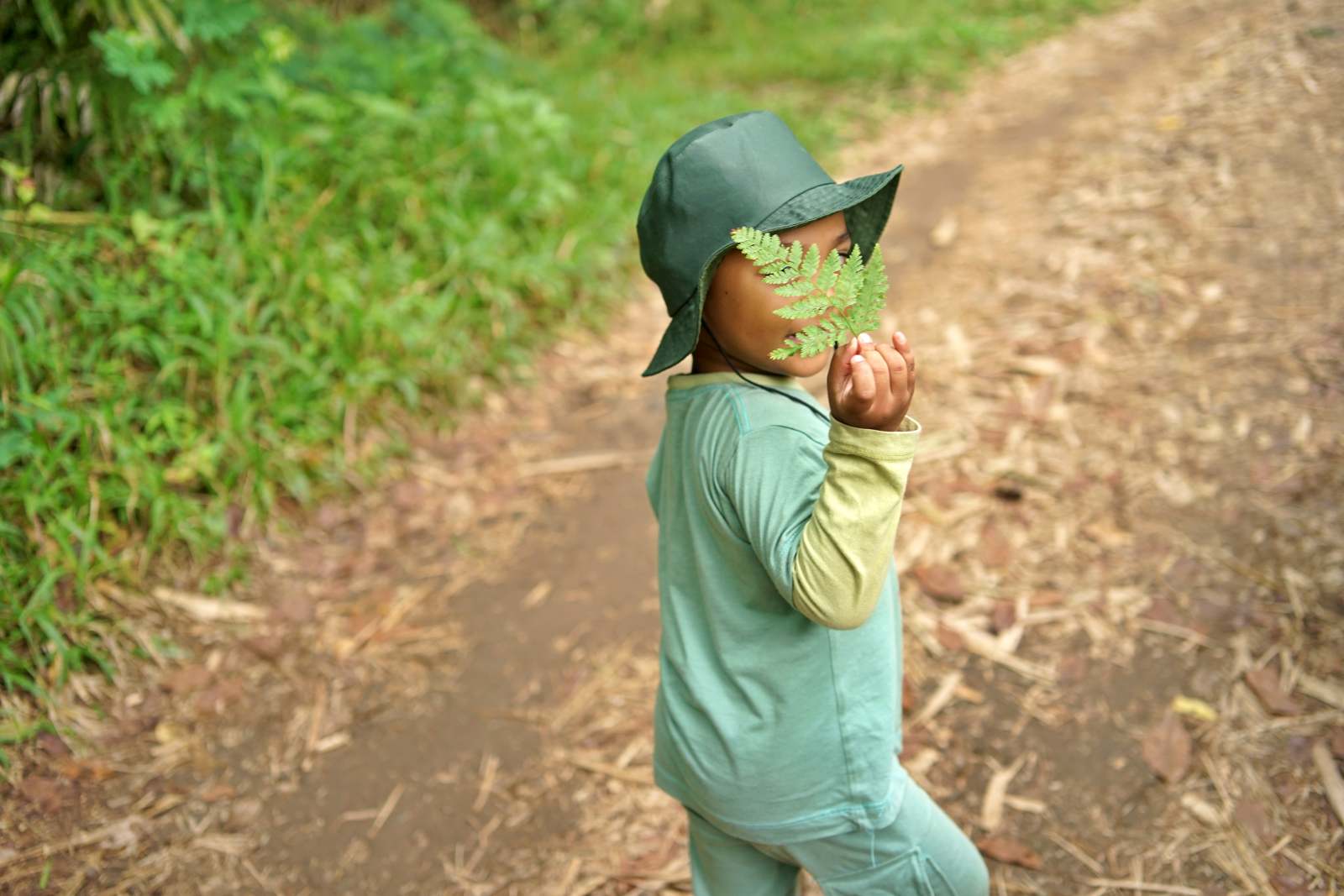
The reason is simple: nature provides hands-on learning. Children see, touch, explore, and actively participate. Knowledge that once existed only as words in a book becomes a lived experience—and that’s exactly what makes it memorable.
It’s Not Just About Knowledge, It’s About Courage and Empathy
Nature is also one of the best classrooms for developing social and emotional skills. Outdoors, children naturally interact with people of different ages, personalities, and backgrounds.
Through these experiences, they develop critical thinking, empathy, confidence, and the ability to adapt to unfamiliar environments. In contrast, classroom interactions are often limited to the same group of classmates, offering fewer opportunities for diverse social experiences.
Learning outdoors also refreshes the mind. A change of environment increases children’s motivation to learn, while sitting indoors for long periods often reduces their focus. More importantly, children become accustomed to observing, analyzing, solving problems, and making decisions in real-life situations—essential life skills that cannot be developed through memorization alone.
Of course, classroom learning remains essential. It provides the theoretical foundation, while nature offers opportunities to apply those concepts in meaningful ways. Together, they create a richer and more complete learning experience.
How Teman Kecil Learn with Insan Wisata Kids
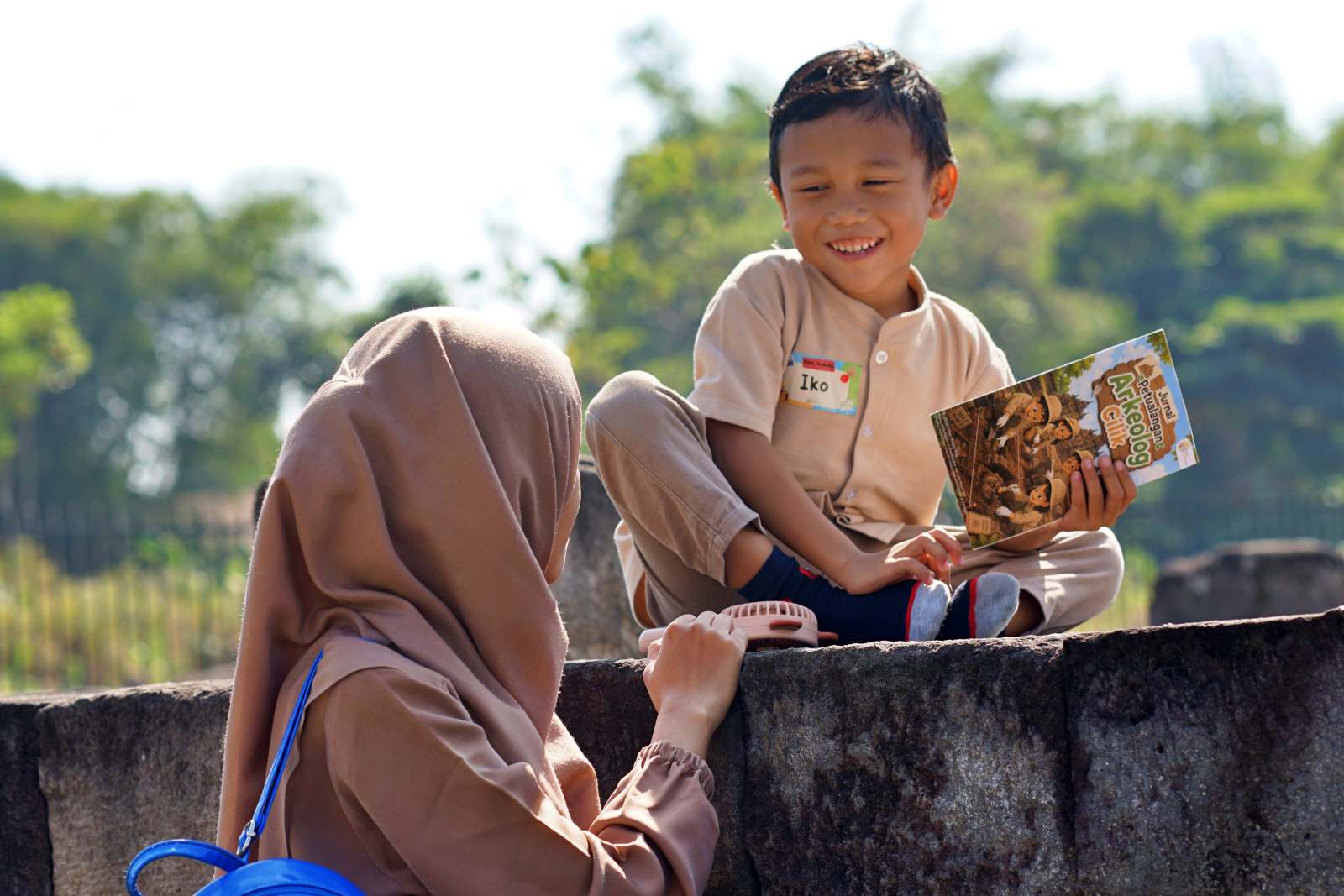
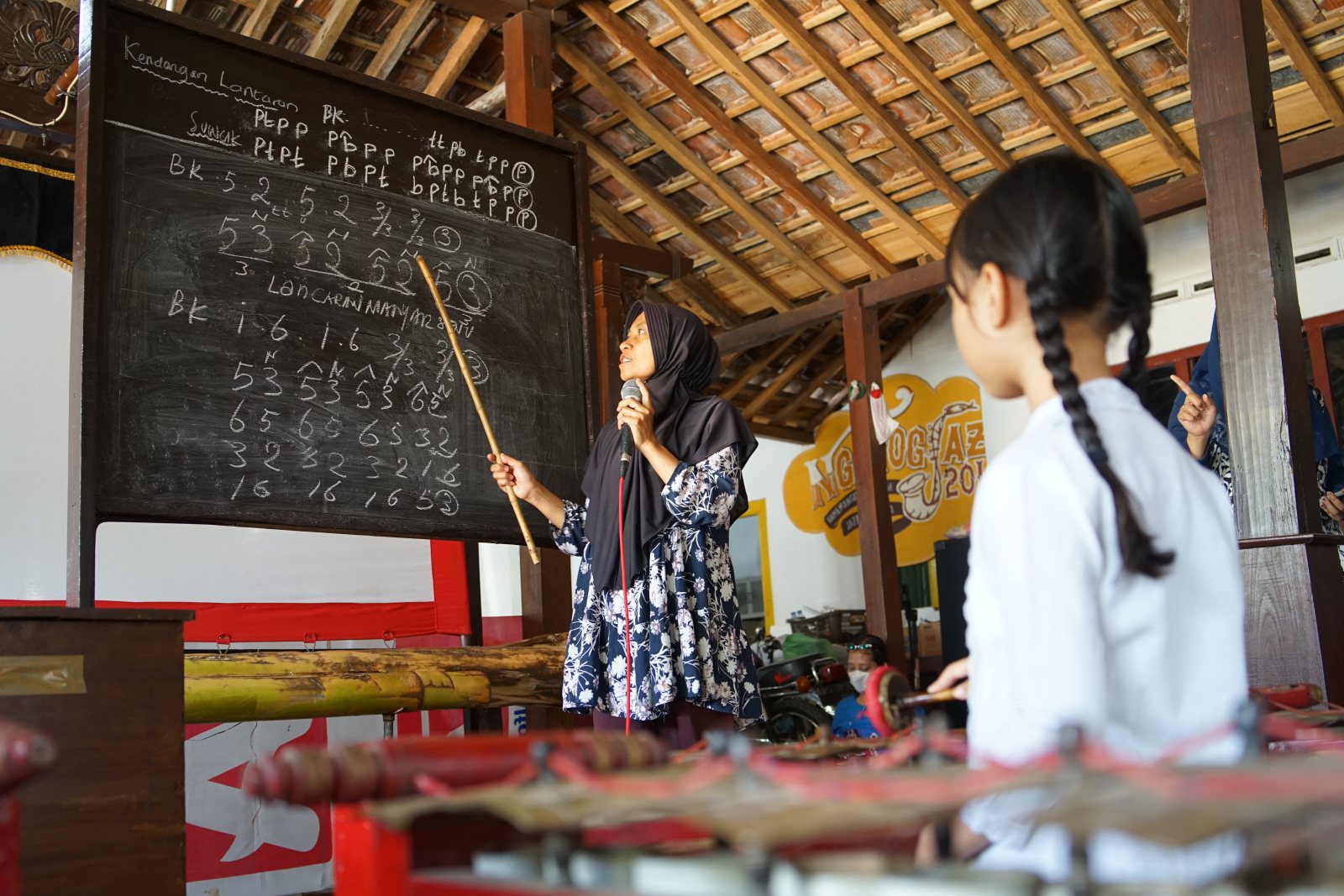
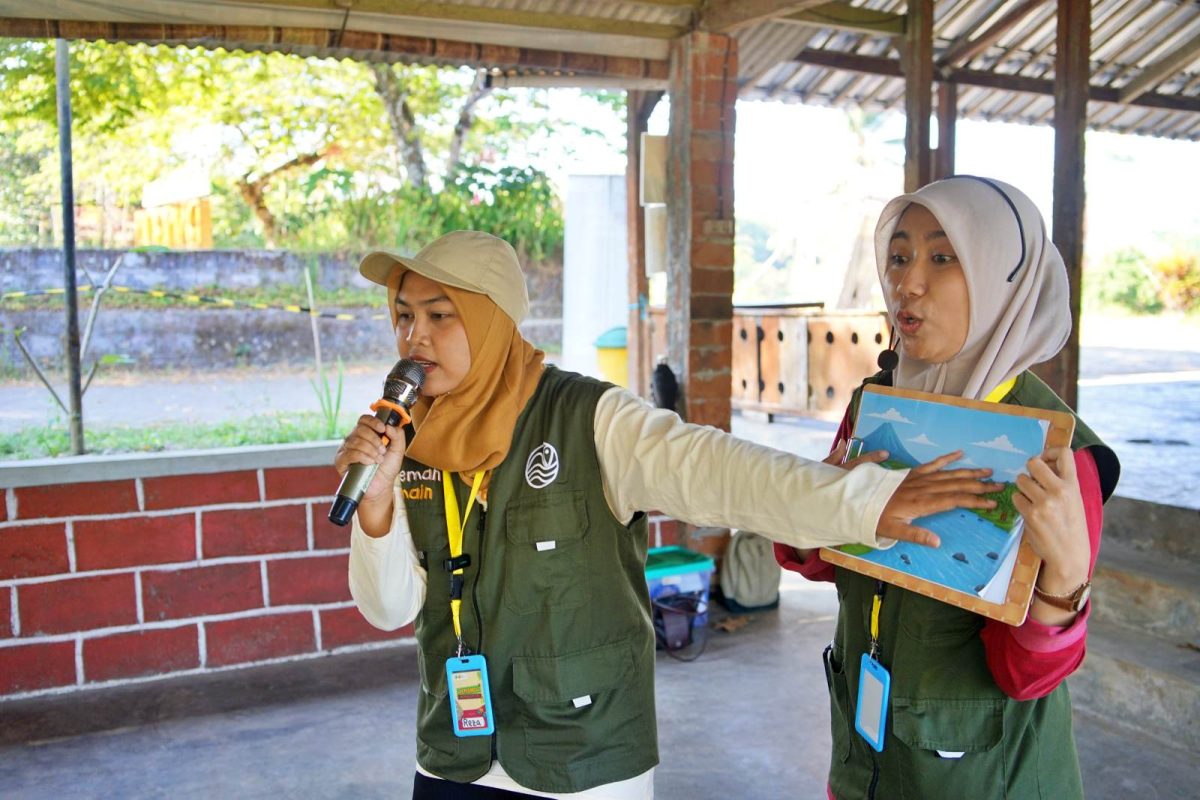
On every adventure, family joins Teman Kecil (the children participating in our programs) alongside Teman Main (our local guides and facilitators). Together, they learn directly from nature, culture, and local communities.
Every experience is carefully designed so that learning feels like play—not like a lesson.
All of our activities are built around a modern pedagogical approach. Simply put, it’s a teaching method that combines structured learning with active participation. Instead of one-way lectures, children engage in two-way conversations with facilitators, their peers, and the environment around them.
Every journey also embraces the principles of regenerative tourism, which goes beyond the concept of sustainable tourism.
While sustainable tourism focuses on minimizing harm, regenerative tourism aims to actively restore ecosystems, revitalize local culture, and create lasting benefits for local communities. Rather than being passive beneficiaries, local communities become active partners in the restoration process.
This philosophy forms the foundation of every Insan Wisata Kids program: Exploration as Education. Teman Kecil don’t simply observe—they participate. Through engaging missions and hands-on challenges, they develop critical thinking skills from an early age while exploring independently, supported by family and guided by Teman Main.
Our learning methods are equally diverse. We use interpretation-based storytelling, value-focused learning objectives, direct observation, and interactive educational media. These approaches keep children actively engaged and encourage them to ask questions with confidence, without worrying about making mistakes.
A Real Story: Exploring Kali Kuning in Pancoh Ecotourism Village
One of the best examples of this approach can be found during our Kali Kuning River Adventure in Pancoh Ecotourism Village, one of our partner destinations that has received direct mentorship from Insan Wisata Kids for the past two years.
Before entering the river, Teman Kecil begin with a short introduction to the geography and topography of the village. Because Pancoh is located in the highlands, the river flows swiftly with crystal-clear water from upstream. This healthy ecosystem supports fish and aquatic insects, which serve as natural indicators of water quality.
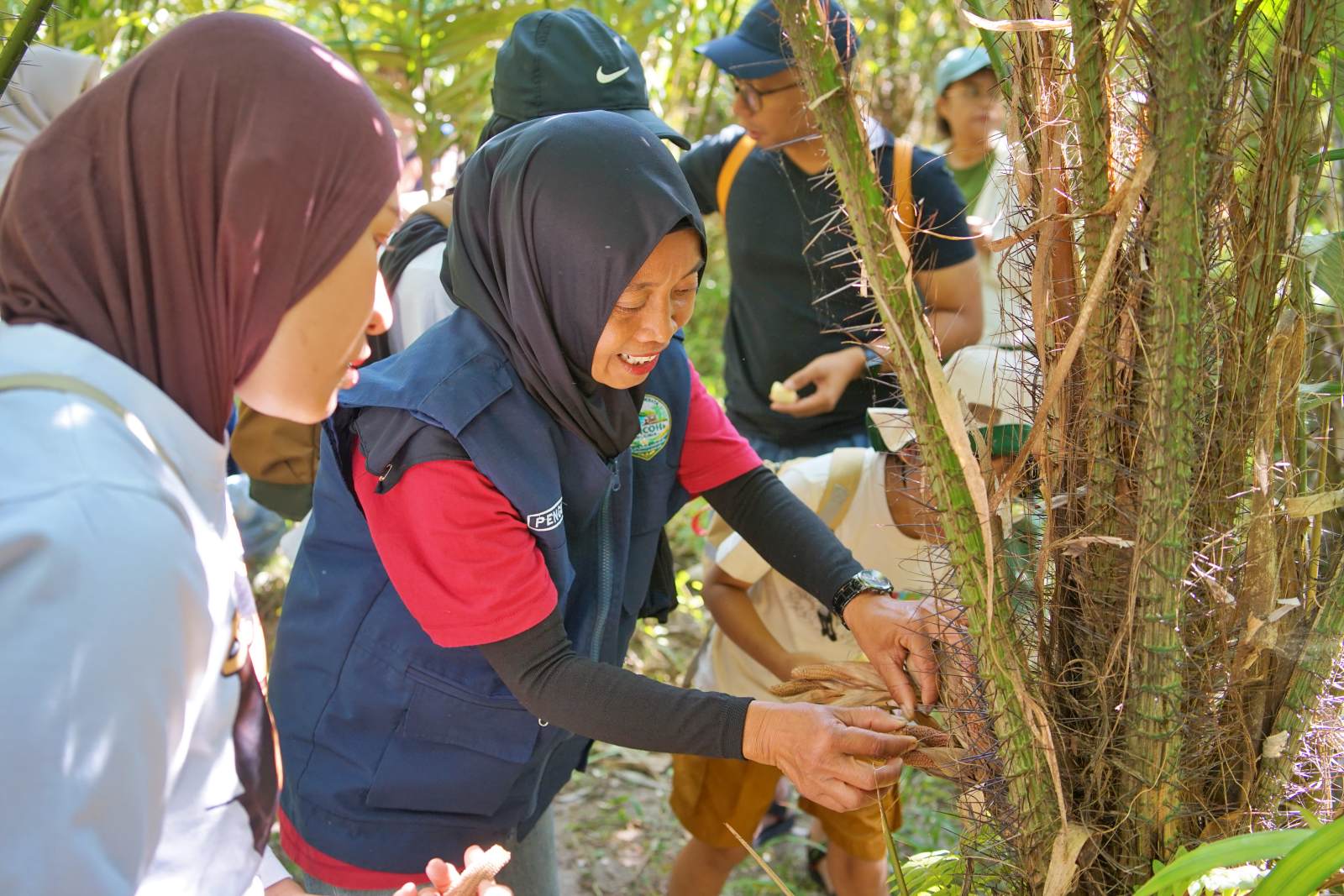
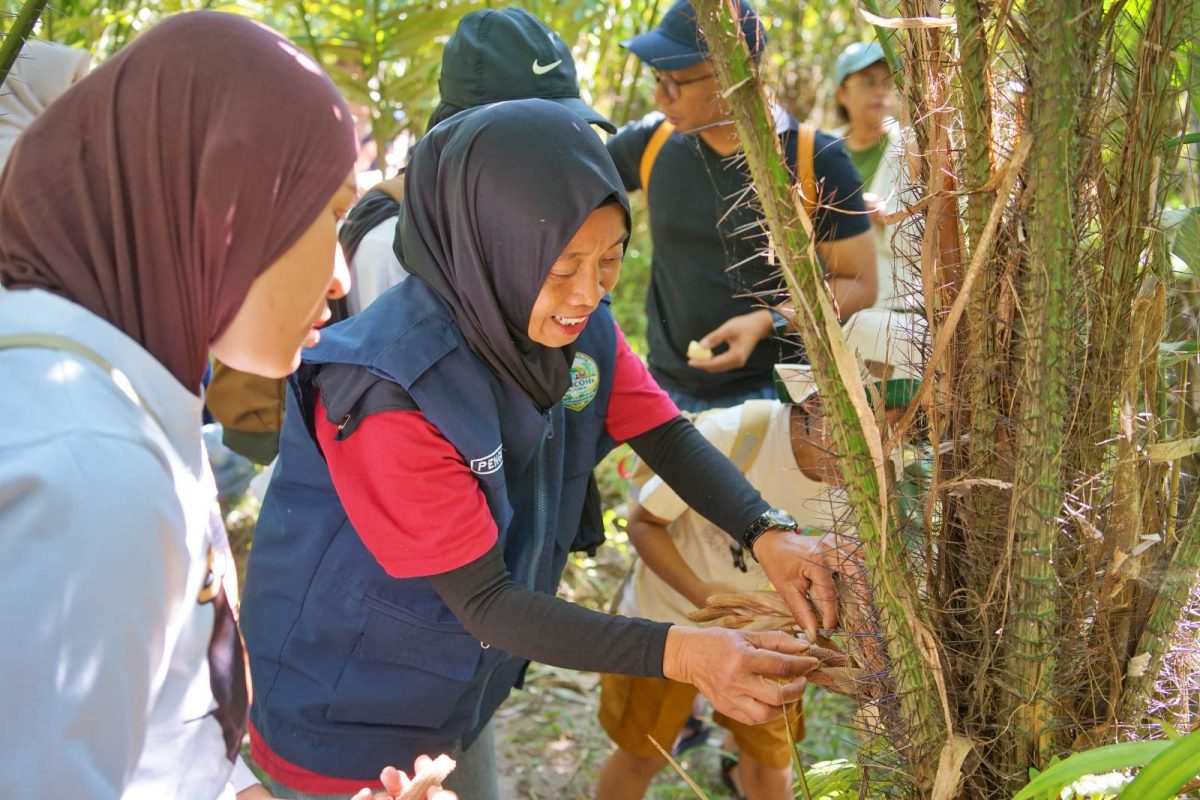
The adventure then continues with a visit to a local snake fruit plantation. Here, our local guide invites Teman Kecil to harvest salak directly from the trees. They also learn about pollination by observing male and female flowers, explained in simple, child-friendly language. Afterwards, they get to pick and enjoy freshly harvested salak right in the orchard.
Before stepping into Kali Kuning, Teman Kecil participate in a hands-on conservation activity by releasing uceng and wader fish into the river.
These fish were chosen because they can survive only in clean, unpolluted water, making them excellent biological indicators of a healthy river ecosystem. Through this activity, children discover that protecting nature isn’t just a concept—they can contribute through simple actions that create real impact.
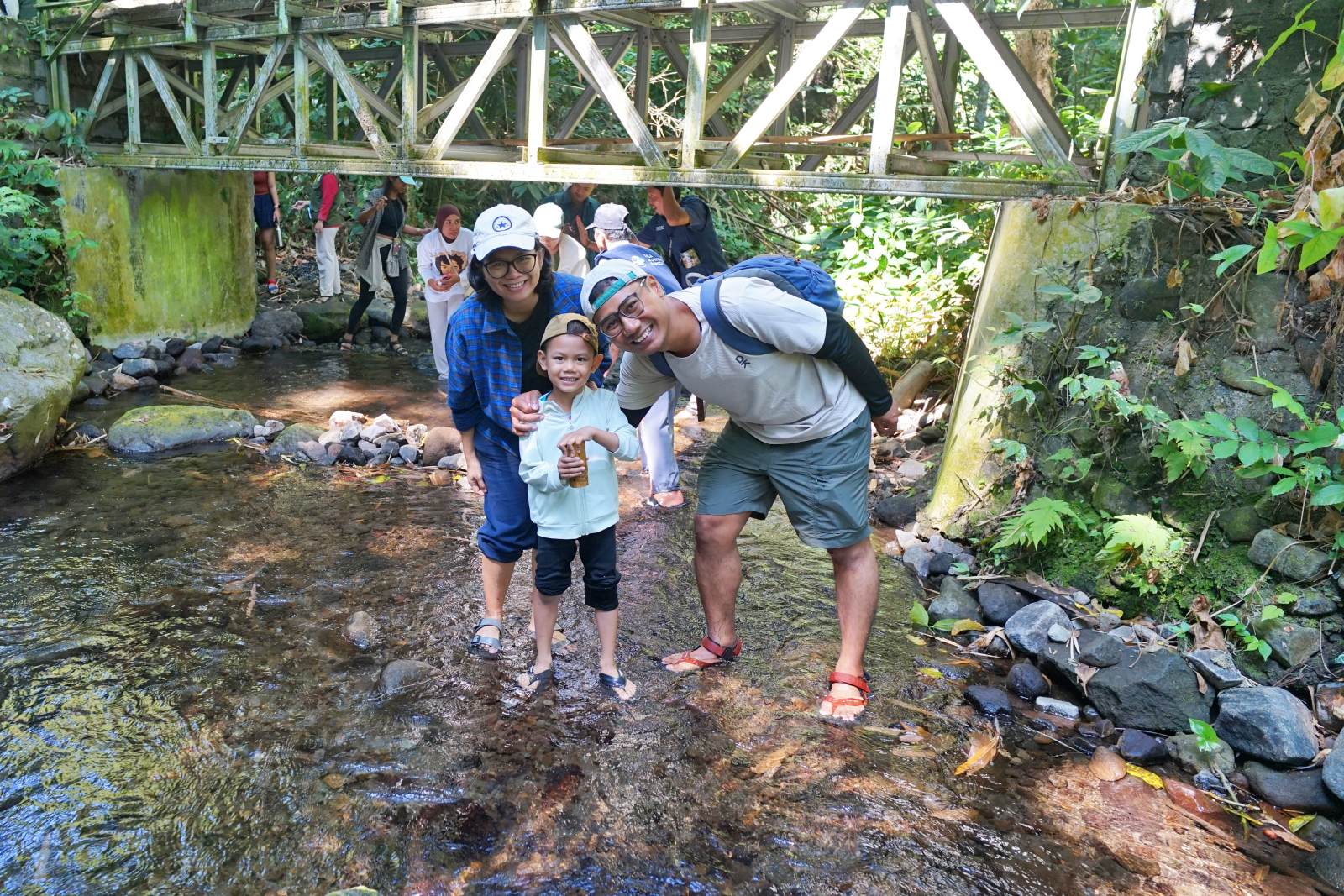
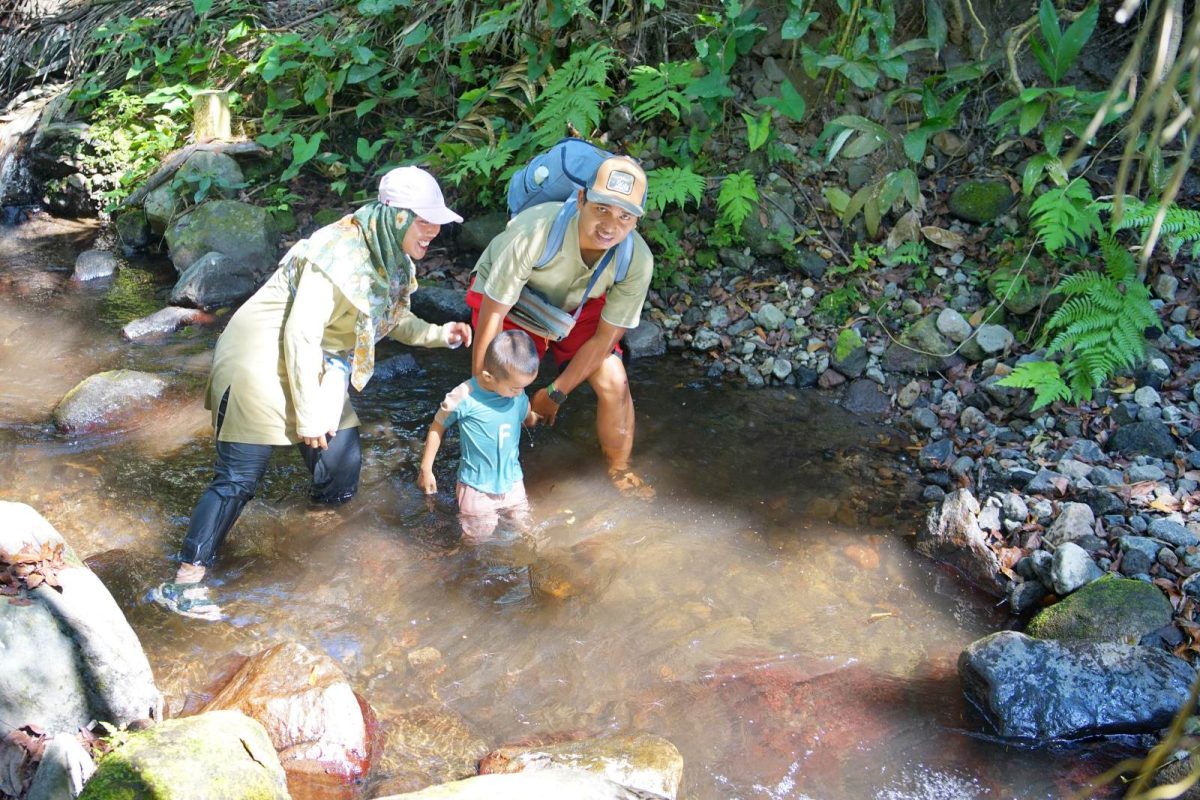
The adventure continues as they walk upstream through the river itself. Navigating rocks, flowing water, and the uncertainty of getting wet helps children build confidence, independence, and resilience. Every careful step teaches them how to read the terrain, maintain balance, and solve problems along the way.
During the journey, they may also encounter metallic-blue damselflies and water striders—two fascinating creatures that indicate excellent water quality.
Damselflies can reproduce only in clean water because their larvae require high oxygen levels and are highly sensitive to pollution. Likewise, water striders depend on the water’s surface tension, which remains intact only when the water is free from oil and contaminants.
Through these firsthand observations, Teman Kecil reach their own conclusion: Kali Kuning is clean and healthy—not because someone told them so, but because they observed the evidence themselves. This kind of experience is exactly what makes learning meaningful and unforgettable.
Every Small Step Plants a Mangrove
Kali Kuning is just one of many adventures offered by Insan Wisata Kids.
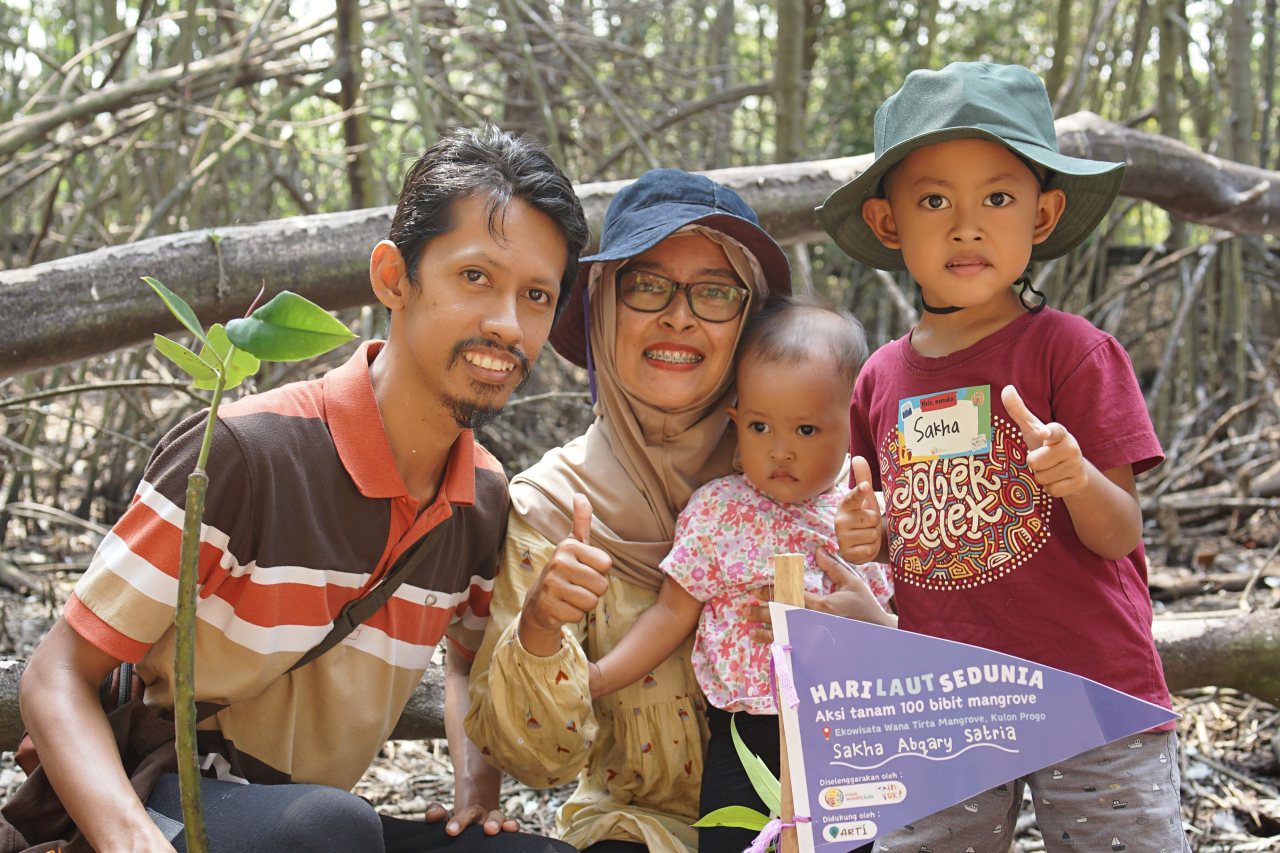
The fish release isn’t simply an additional activity; it’s part of our long-term commitment to restoring the Kali Kuning ecosystem, a process that Insan Wisata Kids continues to monitor. Every time a family joins one of our programs, one mangrove tree is planted in Sungai Kupah Village, West Kalimantan, through our 1 Wisatawan 1 Mangrove (One Traveler, One Mangrove) initiative.
This village was chosen for a reason. Between 2010 and 2020, Sungai Kupah Village experienced repeated tidal flooding that eroded its coastline and threatened the livelihoods of families who depend on the sea.
Today, 65 local families are directly involved in growing and planting mangrove seedlings, transforming these forests into both a natural coastal defense and a sustainable source of income.
This is what regenerative tourism truly means. It’s not simply about reducing tourism’s negative impacts—it’s about actively restoring ecosystems while empowering the communities that protect them.
So this is more than just a family vacation. Every small step Teman Kecil take in nature—whether releasing fish into Kali Kuning or planting mangroves in Sungai Kupah Village—is both a step toward learning and a step toward restoring the environment.
Curious which destinasi mitra could be the next fun learning space for your Teman Kecil? Explore Insan Wisata Kids’ programs and plan your family first adventure with us.
Written by: Siti Latifatuzzahroh