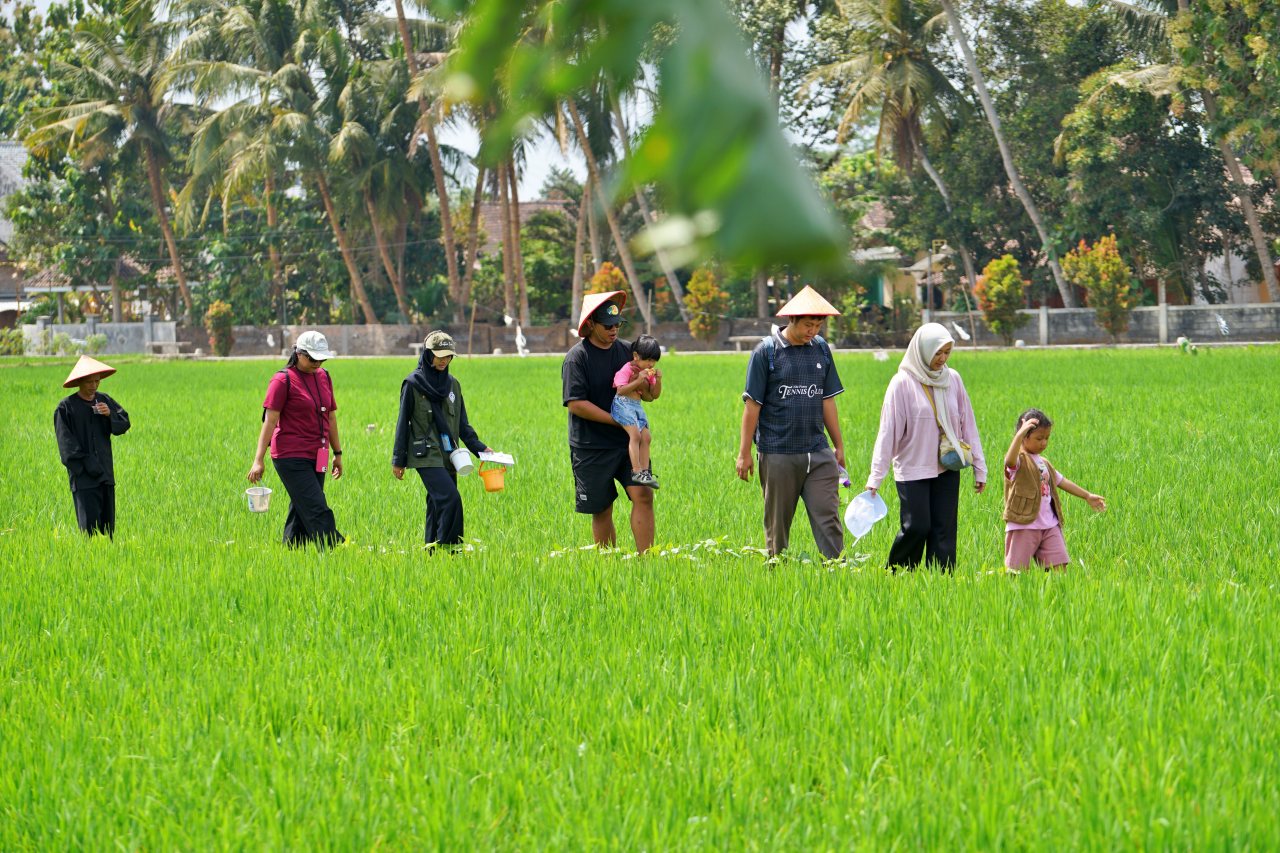
From rice fields to garden harvests, nature holds many stories about the food we enjoy every day. Among the rice plants, different organisms live and interact with one another, while beneath the soil grow various food crops that children may not know much about. Through Food Exploration, children and their families are invited to discover life in the rice fields, identify the friends and potential threats to rice plants, and learn that carbohydrates come from more than just rice.
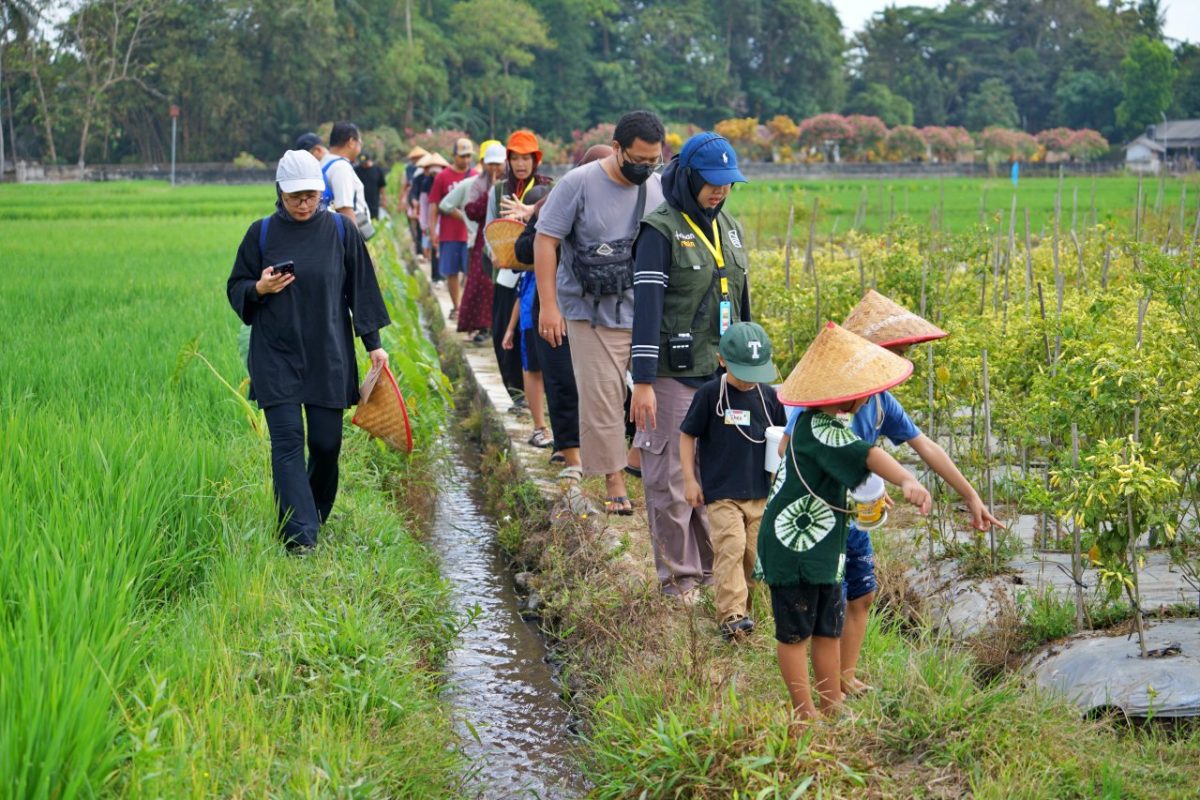
The adventure begins with a walk along the narrow paths between rice fields. Surrounded by rice plants, children are encouraged to observe their surroundings and discover what lives there. Using a visual guide, they take on a mission to find organisms that help rice plants grow and those that may harm them. This activity encourages children to look closely, pay attention to details, and understand that a rice field is more than just a place to grow rice. It is an ecosystem that provides a home for many living things.
Through the “Save the Rice” Mission, children learn about the relationships between plants, animals, and the agricultural environment. They are encouraged to observe before drawing conclusions, understand how different organisms interact with crops, and discover why farmers need to understand the ecosystem to keep rice plants healthy. Learning becomes an adventure in which young explorers have a mission to complete, rather than simply listening to information from adults.
The journey then continues to a garden, where children discover a variety of locally grown food crops. While rice may be the most familiar staple food on their plates, this time they are invited to explore other sources of carbohydrates, such as cassava and taro. They learn that nature provides many crops that supply energy for our bodies, while also discovering why it is important to preserve local food diversity.
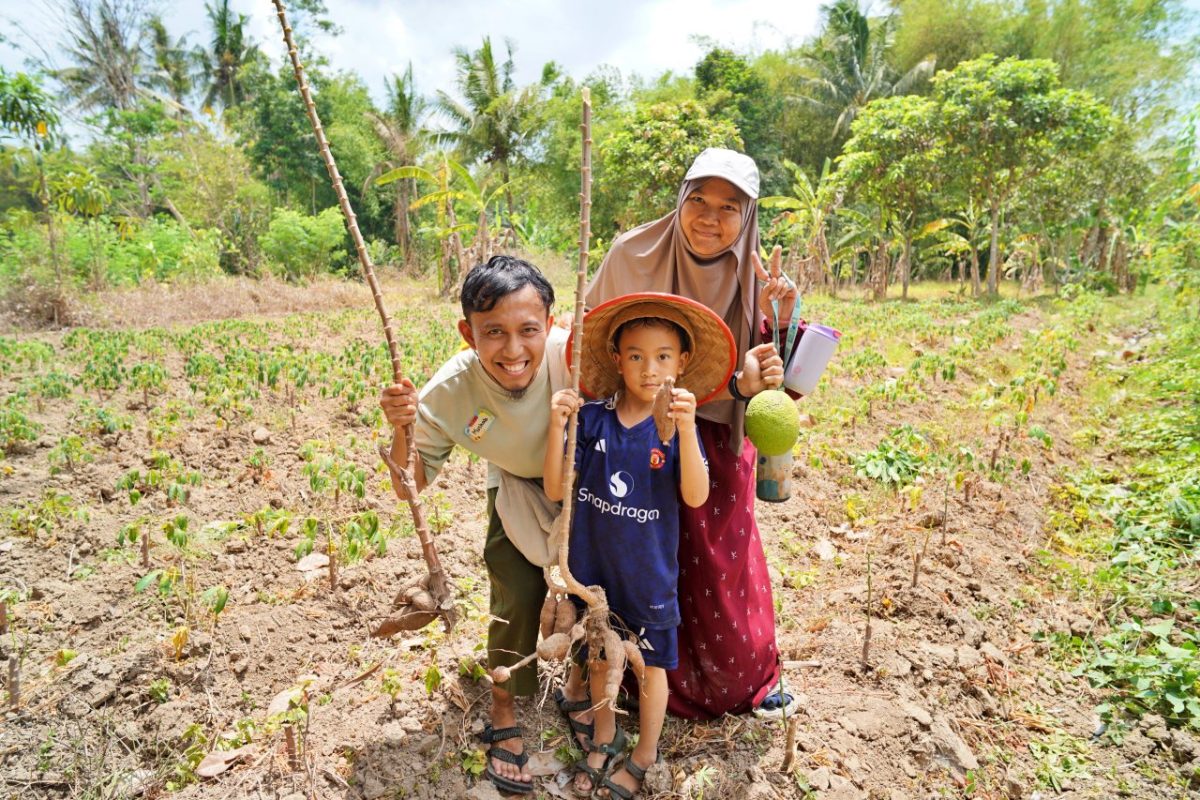
The food exploration goes beyond observation. Children have the opportunity to harvest cassava directly from the garden, learning about the plant and how to collect its harvest with guidance from local facilitators. Through this hands-on experience, they discover that the food they eat does not simply appear on their plates. It comes from a process that requires land, care, knowledge, and hard work. Harvesting also gives children the chance to practise careful observation, follow instructions, and work together to complete a task.
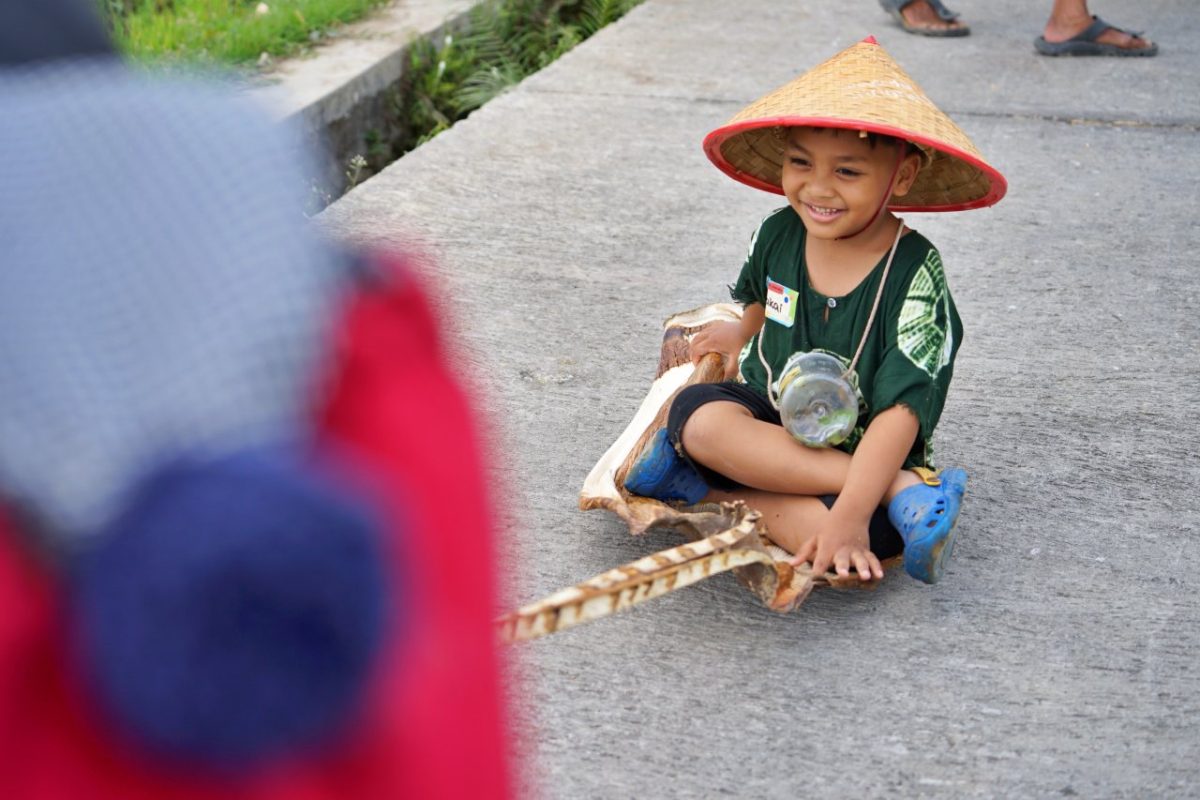
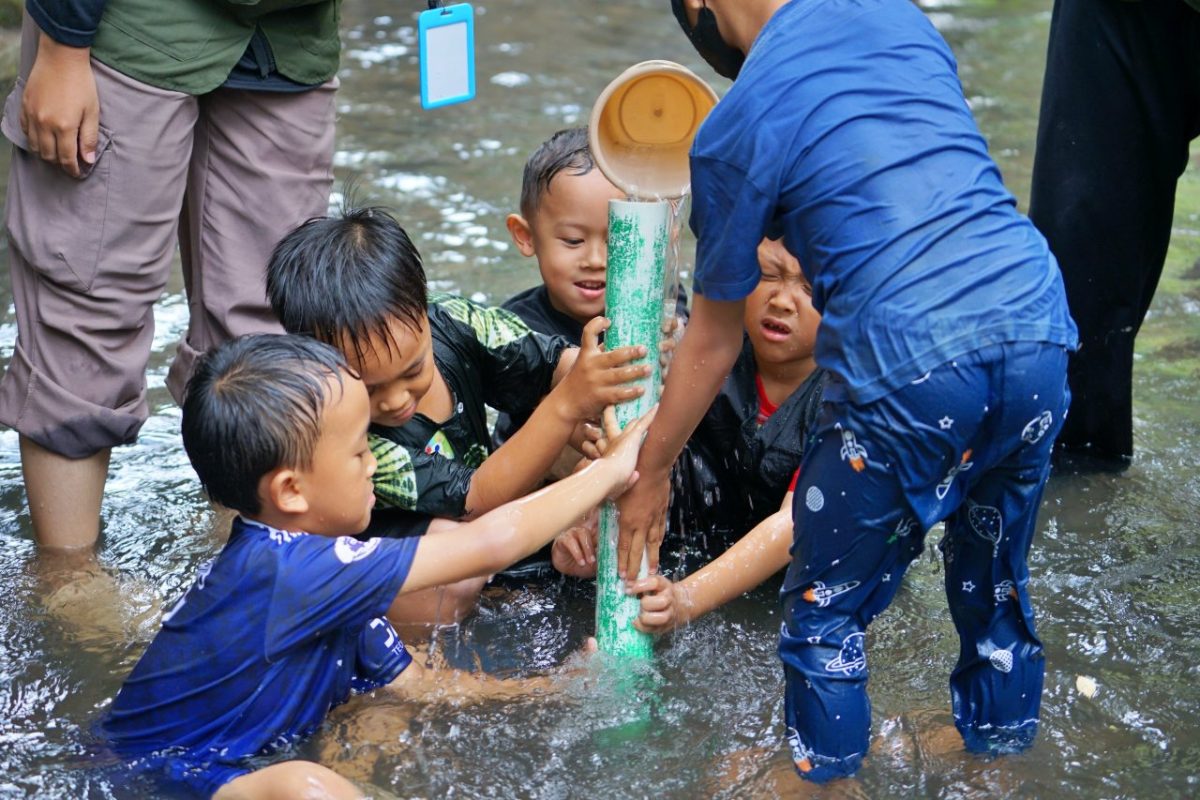
After exploring the rice fields and garden, the adventure continues with fun physical challenges and outdoor activities. Children are encouraged to move, try new challenges, and work together through activities adapted to the conditions of the location. Walking along rice-field paths, taking part in interactive games, and exploring the river provide opportunities to develop physical coordination, courage, and the ability to adapt to environments beyond their usual play spaces.