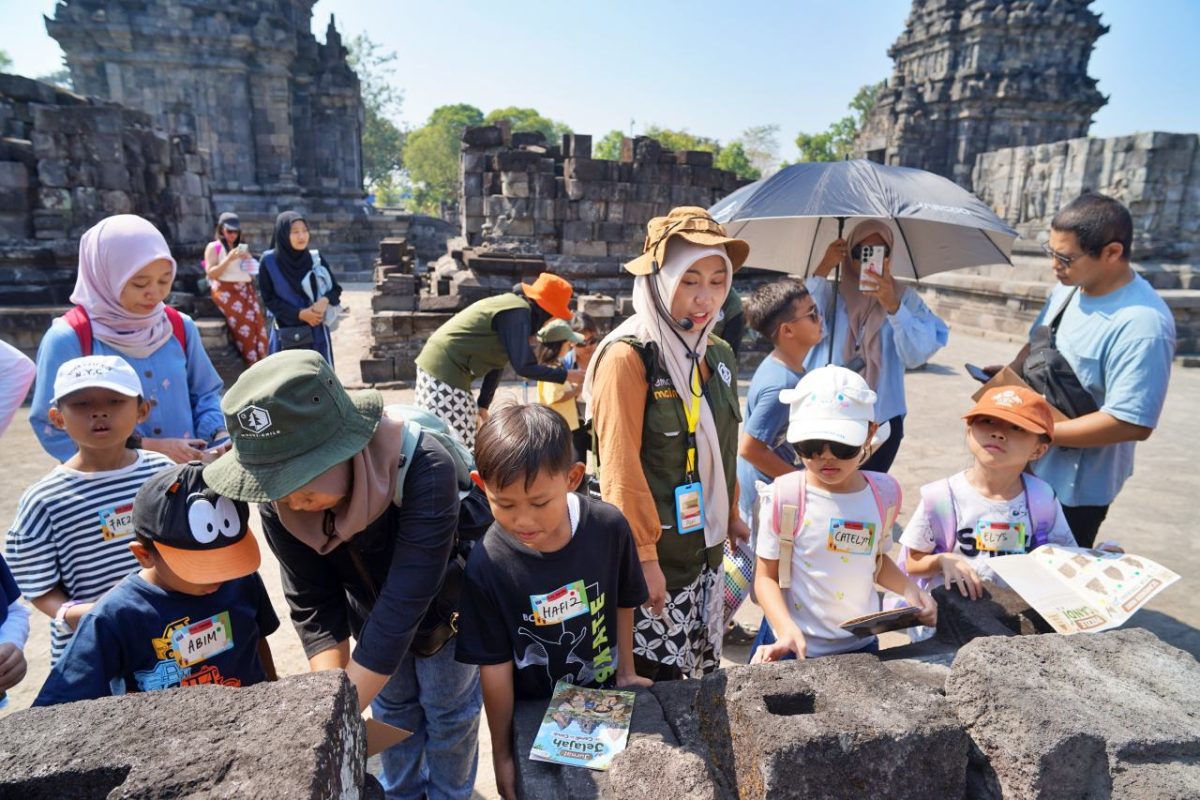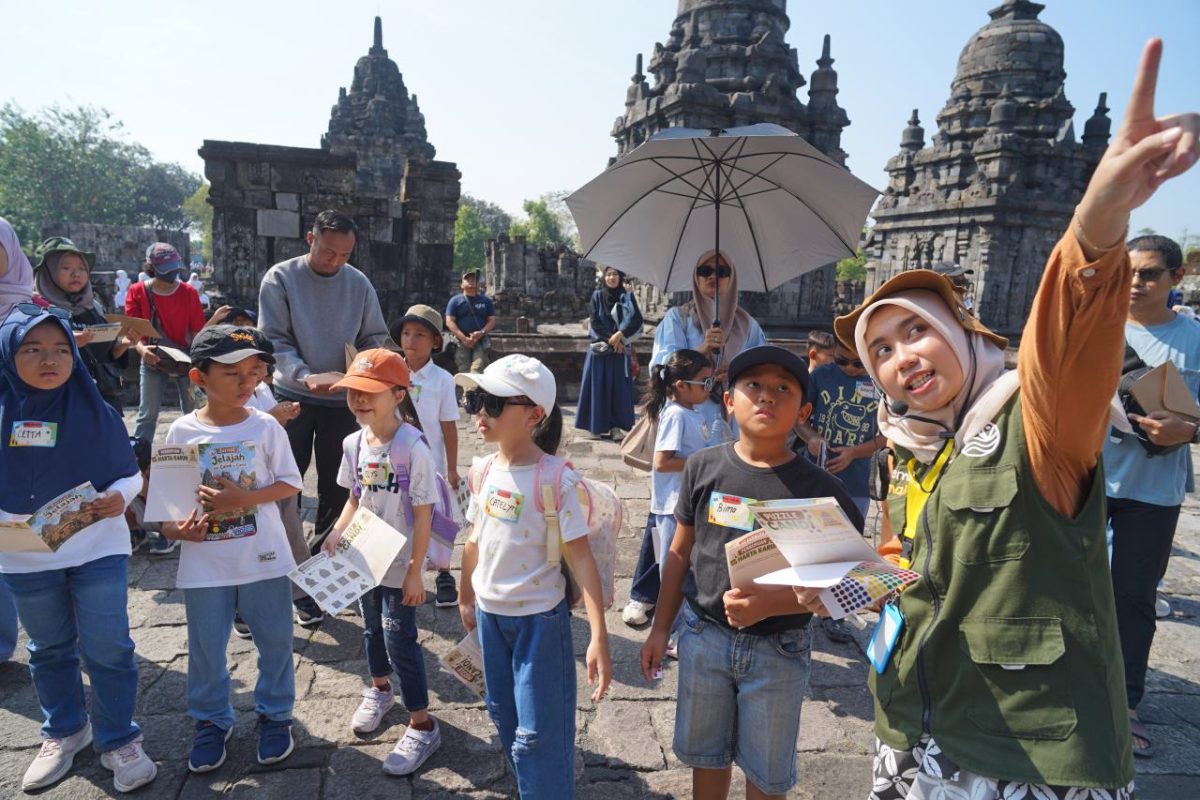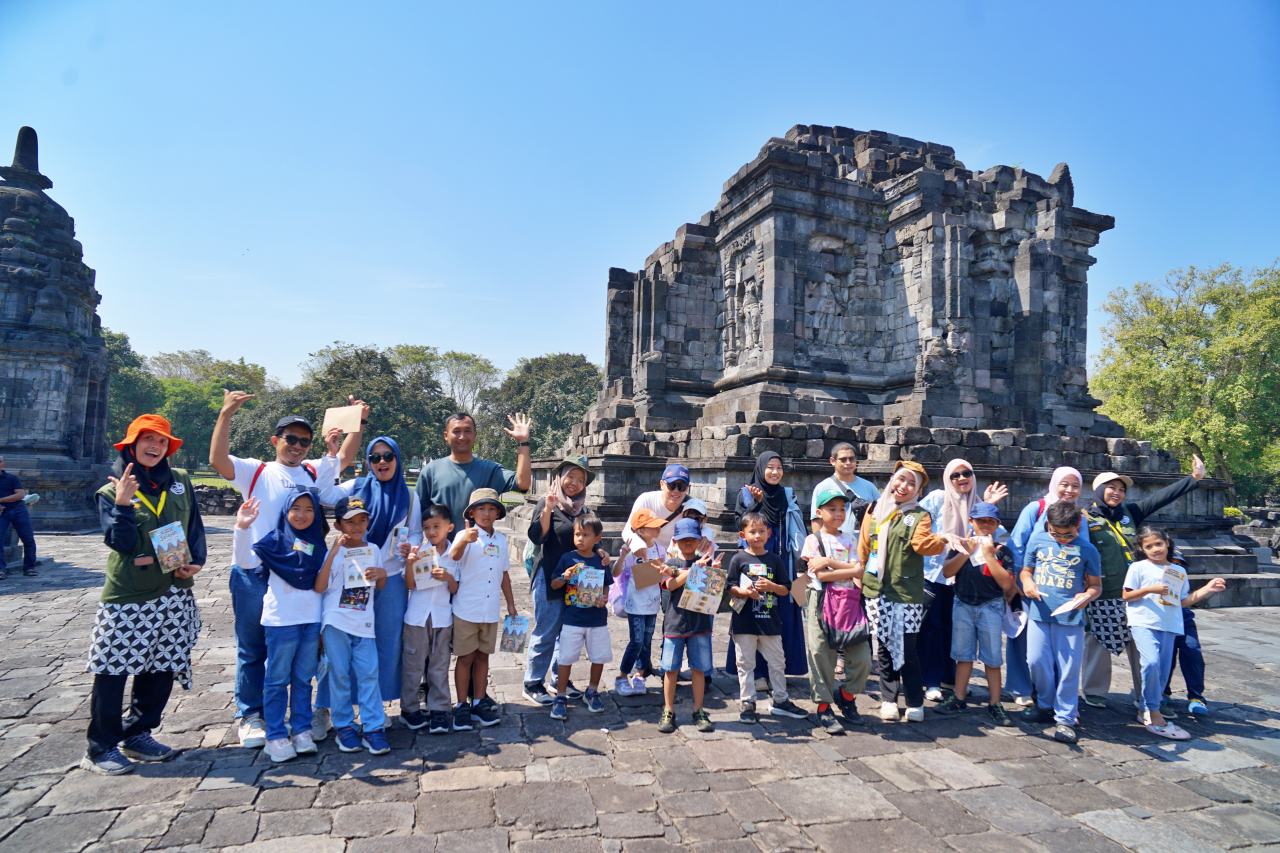
Behind the grandeur of Prambanan Temple lies an ancient temple complex that preserves stories of a civilization from more than a thousand years ago. Sewu Temple, Bubrah Temple, and Lumbung Temple are part of a cultural landscape that bears witness to the development of Buddhism in Java during the 8th century. Through the Junior Wanderer program, children and families are invited to explore this historic area and discover how every stone, statue, and inscription holds a story about the lives of people in the past.
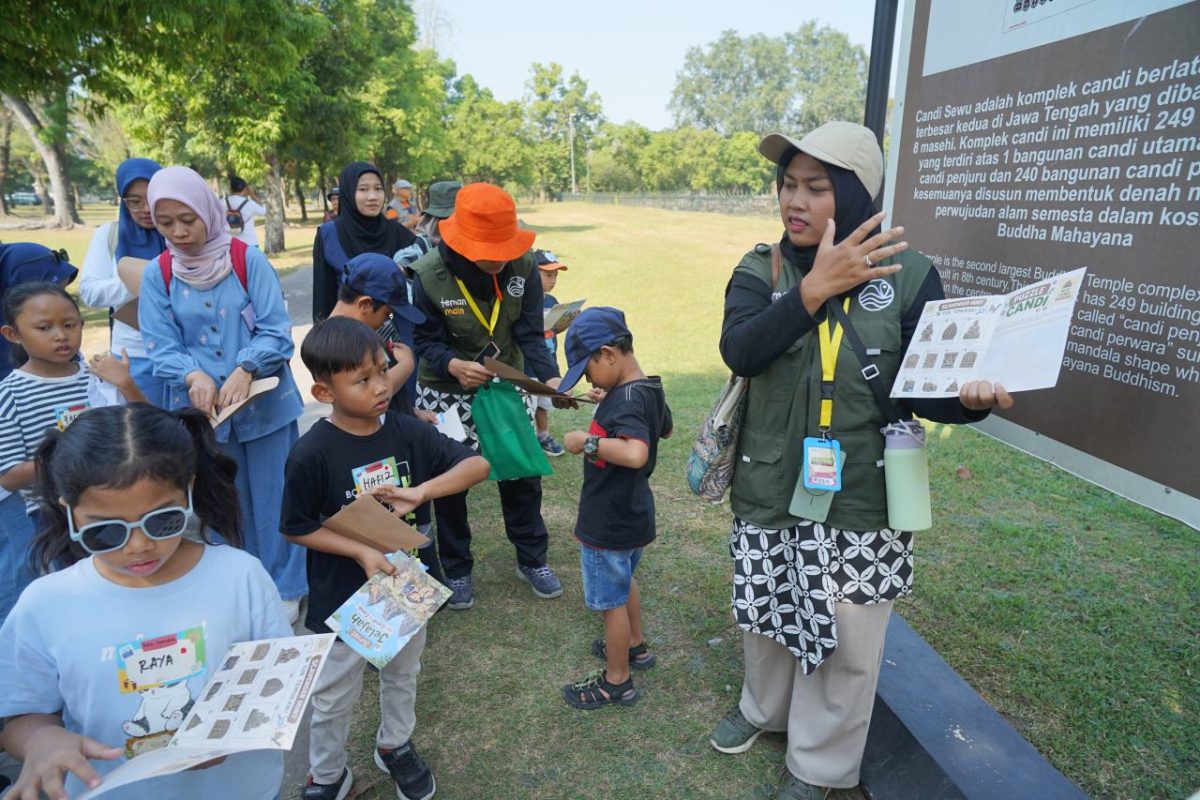
The journey begins with an exploration of Sewu Temple, the second-largest Buddhist temple complex in Indonesia. Together with the Teman Main Insan Wisata Kids, participants will observe the temple’s architecture, learn about its statues and reliefs, and uncover fascinating facts about its history. Was Sewu Temple really built in just one night? Why is it called “Sewu” when there are not actually a thousand temples? These questions become the starting point of an adventure that encourages children to distinguish between legends passed down through generations and historical evidence uncovered by archaeologists.
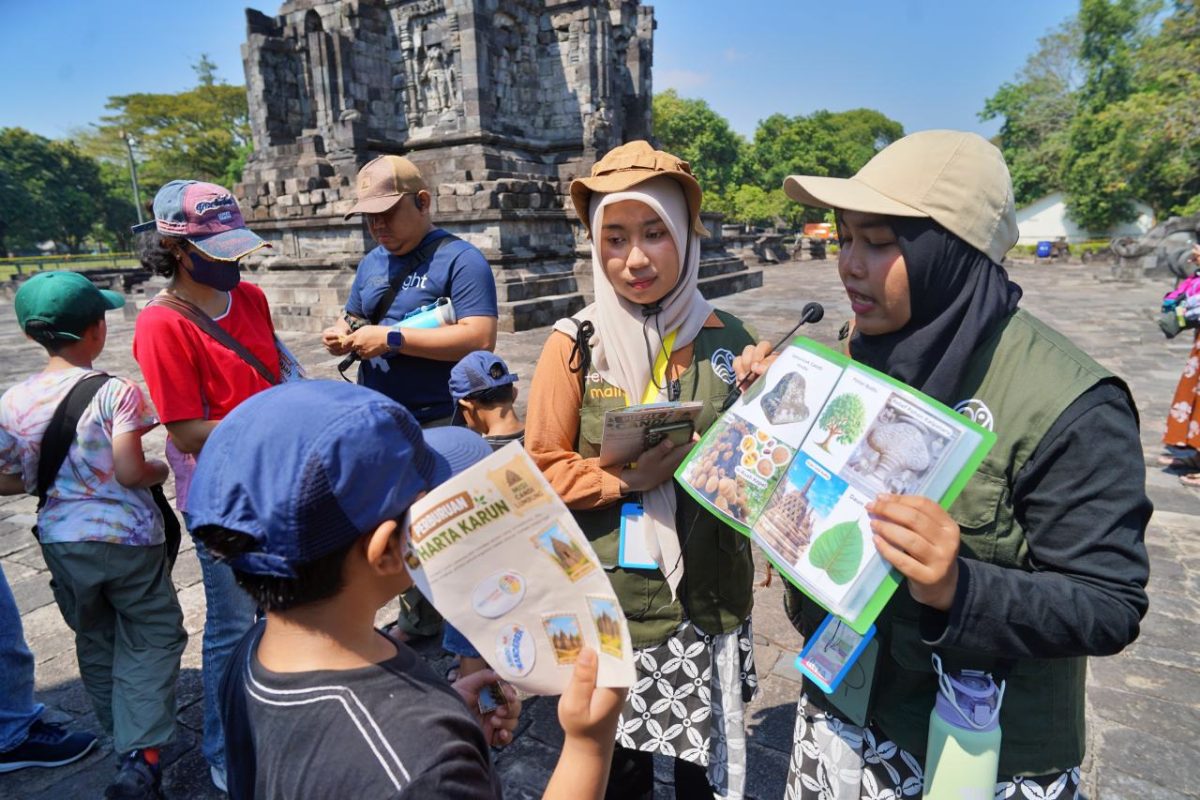
The adventure continues to Bubrah Temple and Lumbung Temple. Through a treasure hunt, participants work together to solve observation-based challenges by searching for clues in statues, inscriptions, and architectural elements found throughout the temple complex. The activity encourages children to observe carefully, ask questions, develop hypotheses, and draw conclusions based on the evidence they discover—just like young archaeologists.
Through Junior Wanderer, children learn that history is more than a collection of events from the past. Every cultural site holds knowledge that can be explored through curiosity, observation, and the search for evidence. We hope this experience inspires children to take pride in Indonesia’s cultural heritage while developing a sense of responsibility to help protect and preserve it for future generations.